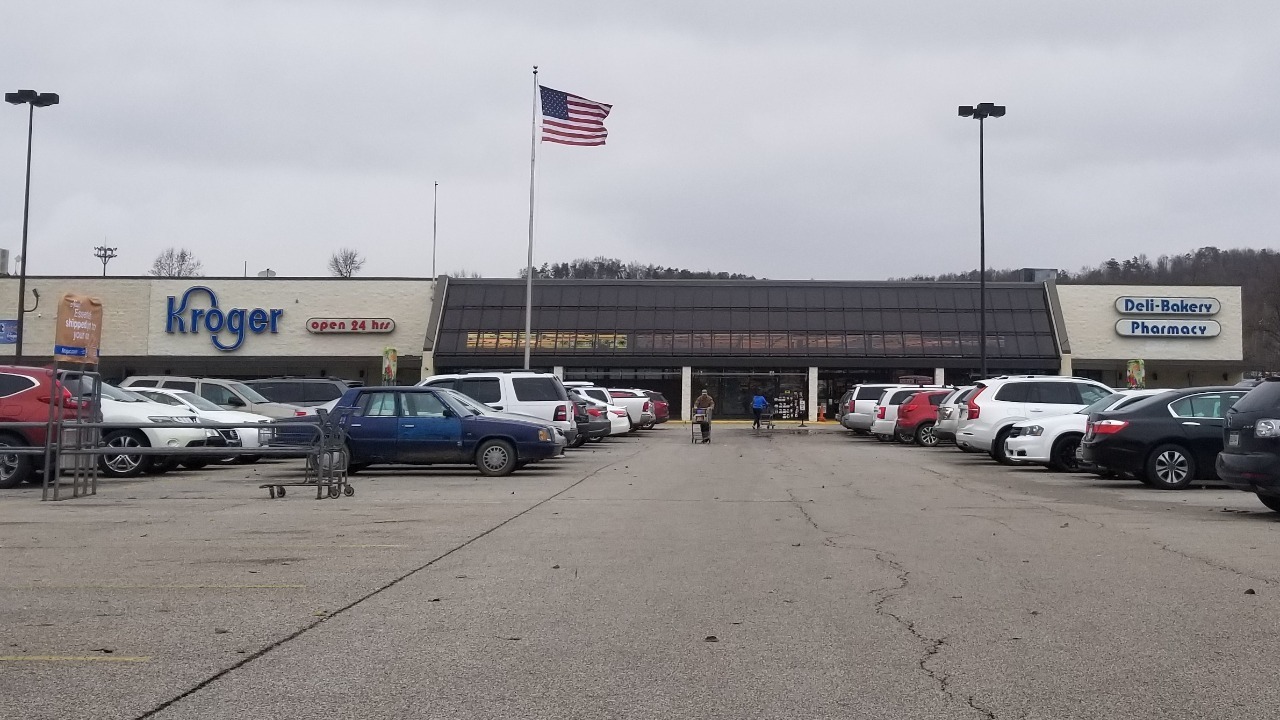
Kroger is promising relief at the checkout line, cutting prices on 1,000 everyday items even as it shutters facilities and trims thousands of jobs. The country’s largest traditional grocer is trying to convince shoppers it is on their side in a stubbornly expensive food economy while it quietly rewires its business for a leaner, more digital future. The result is a high-stakes experiment in whether aggressive discounting can coexist with deep structural cuts that reshape where, and how, Americans buy their groceries.
The new price play: discounts as defense and offense
I see Kroger’s latest round of price reductions as both a defensive move against discounters and a bid to lock in loyalty before its next wave of restructuring hits. The company has already touted a sweeping campaign of lower shelf tags, including a separate initiative where it said it reduced prices on more than 3,500 grocery items, a scale that signals management is willing to sacrifice some margin to keep carts full. Cutting prices on another 1,000 staples fits that pattern: it is a visible way to tell budget‑stretched families that Kroger understands the pressure of weekly food bills and is prepared to absorb some of the pain. In a market where Aldi, Walmart and dollar chains have trained shoppers to chase bargains, Kroger cannot afford to look like the expensive option.
The company is not hiding that these discounts are part of a broader strategy to reshape its cost base and customer mix. Executives have framed “strategic price investments” as a tool to lift traffic and unit volume, with one recent update stressing that Improving grocery volume is central to the plan. In practice, that means Kroger is betting that sharper pricing on basics like milk, eggs and pantry goods will not only keep existing customers from drifting to rivals but also entice lapsed shoppers back into the fold. The risk is that if those discounts are not matched by a clear improvement in experience or convenience, the goodwill from cheaper items could be overshadowed by the disruption of store closures and job losses that are unfolding in parallel.
Restructuring in motion: closures, layoffs and a shrinking footprint
Behind the price‑cut headlines, Kroger is engaged in one of the most aggressive overhauls in its history. The company has laid out a sweeping restructuring blueprint that combines lower prices with a smaller physical footprint and a leaner workforce, a plan described as a major reset in Dec restructuring plans. Management is racing to overhaul how the business operates, from supply chains to e‑commerce, in order to build what it calls a more sustainable online operation that can compete with Amazon and Walmart’s delivery networks. That transformation is not abstract: it is being paid for with real-world cuts that are already rippling through communities and corporate offices.
Earlier this year, Kroger confirmed that it would close five fulfillment facilities, a move that landed just as the crucial holiday season approached and signaled that even newer, tech‑heavy sites are not immune from the knife. The company acknowledged on its own site that those closures would eliminate jobs and warned of more Kroger cuts ahead as part of a broader wave of job reductions in 2025. At the same time, Kroger has been trimming traditional stores, with one restructuring outline noting that it plans to close roughly a set of underperforming locations in order to concentrate resources in markets where it believes it can defend or grow long‑term share. For shoppers, that means some neighborhoods will see cheaper prices, while others lose their closest full‑service supermarket altogether.
From failed merger to deep job cuts
The restructuring is also a response to a corporate strategy that did not go as planned. After Kroger’s proposed tie‑up with Albertsons collapsed under regulatory and political pressure, the company pivoted to a more inward‑looking cost strategy that has already claimed thousands of white‑collar roles. In late summer, it cut 1,000 corporate jobs, a round of layoffs explicitly framed as “Layoffs Follow Failed Albertsons Deal and New Cost Strategy” in reporting that quoted executive Sargent explaining how the company needed to reset its expense base. That decision underscored how much Kroger had been counting on merger synergies to fund investments in technology, pricing and wages, and how quickly it had to find savings elsewhere once that path closed.
Those white‑collar cuts sit on top of even larger reductions in frontline roles. In a separate wave, the company moved to eliminate Kroger Axes 9,000 Jobs in response to what it described as a $112 billion Theft Crisis Forces Store Closures that has battered margins and made some locations unviable. That report emphasized that Kroger, America’s largest supermarket operator with more than 2,000 stores, was closing certain outlets outright because the economics no longer worked. When a company of that scale says theft and shrink are driving closures, it is a sign that the pressures reshaping retail are not limited to niche chains or urban markets but are cutting into the core of mainstream grocery.
Store closures and the geography of access
For shoppers, the most visible sign of Kroger’s reset is not in corporate memos but in “store closing” banners on familiar facades. Over the summer, the company confirmed that it would shut locations in multiple states, with one report detailing how Kroger is closing some of its stores in August. See shuttering locations in 4 states and noting that Some Kroger locations are closing this month because they no longer fit the company’s performance thresholds. Each closure may make sense on a spreadsheet, but it also redraws the map of where residents can find fresh produce, pharmacy services and affordable staples within a reasonable drive or bus ride.
I view this as a tension between Kroger’s national strategy and local realities. In dense suburbs with multiple chains, a shuttered Kroger might simply push shoppers to a nearby competitor. In smaller towns or lower‑income neighborhoods, losing the only full‑line supermarket can deepen food deserts and push residents toward convenience stores with higher prices and fewer healthy options. Kroger’s own restructuring materials acknowledge that it is pruning weaker markets to protect “long‑term market share” elsewhere, yet the communities on the losing end of that calculus are unlikely to be comforted by cheaper prices in regions where they no longer have a store. The company’s challenge is to convince regulators and the public that its cost‑cutting is compatible with its role as a primary food provider for millions of households.
Can Kroger balance savings with service?
The core question now is whether Kroger can persuade shoppers and workers that its belt‑tightening will ultimately leave the business healthier rather than hollowed out. Management has argued that the combination of lower prices, fewer underperforming stores and a more efficient digital network will free up resources to reinvest in the remaining footprint. In its latest strategy update, the company stressed that it is racing to overhaul operations in order to build a more sustainable online business, a phrase that hints at heavy spending on fulfillment technology, data analytics and delivery partnerships. If those investments succeed, Kroger could emerge with a network that is smaller but more profitable, and with digital tools that make shopping easier even as physical stores thin out.
From a shopper’s perspective, though, the trade‑offs are immediate and personal. A family that benefits from 1,000 cheaper items and the broader slate of 3,500 g price cuts may also find that their closest store is more crowded after nearby closures, or that familiar employees have disappeared after layoffs. Workers who survive the cuts face heavier workloads and uncertainty about future rounds, even as executives talk up efficiency and volume. I see Kroger’s current moment as a stress test of a broader retail thesis: that a large incumbent can cut deep into its cost structure, shrink its footprint and still convince customers it is the value‑driven, community‑anchored grocer they want to trust. The 1,000 new price cuts are the most visible part of that pitch, but the real verdict will be delivered in how shoppers respond to the quieter, more painful changes happening behind the scenes.
More From TheDailyOverview

Grant Mercer covers market dynamics, business trends, and the economic forces driving growth across industries. His analysis connects macro movements with real-world implications for investors, entrepreneurs, and professionals. Through his work at The Daily Overview, Grant helps readers understand how markets function and where opportunities may emerge.

