In a matter of weeks, the world’s most powerful tech founders have been reminded that artificial intelligence can erase fortunes as quickly as it mints them. Larry Ellison and Jeff Bezos have together seen more than $66 billion wiped from their paper wealth since the start of the year, a reversal that has turned the AI trade from a sure thing into a source of anxiety across Silicon Valley and Wall Street. The rout is exposing a deeper tension at the heart of the boom: investors are suddenly questioning whether the most aggressive AI bets are creating durable revenue or just pulling demand forward and hollowing out the future.
What looks like a story about two billionaires is really a stress test of the entire AI narrative. The same forces that inflated valuations on the promise of limitless productivity are now punishing companies whose business models look vulnerable to that very efficiency. The result is a sharp repricing of software and cloud giants, a fresh debate over how AI will actually be monetized, and an early glimpse of which strategies might survive once the hype premium is gone.
The $66 billion wake-up call
Tech billionaires are watching their wealth free fall in a way that would have seemed unthinkable at the height of the AI euphoria. According to one detailed tally, $66 billion has already vanished from the combined net worth of Larry Ellison and Jeff Bezos this year, a figure that captures both the scale of the selloff and how concentrated AI risk has become at the very top. These are founders whose fortunes are tightly bound to their companies’ stock prices, so the market’s verdict on AI is being written directly into their personal balance sheets.
The damage is not limited to two names. One breakdown notes that Tech billionaires more broadly have seen tens of billions erased as investors rotate out of richly valued software and services names. For everyday savers with index funds or retirement accounts, this is less about sympathy for the ultra-rich and more about understanding why a corner of the market that was supposed to be the future is suddenly dragging down portfolio returns.
Ellison’s AI-heavy Oracle bet under pressure
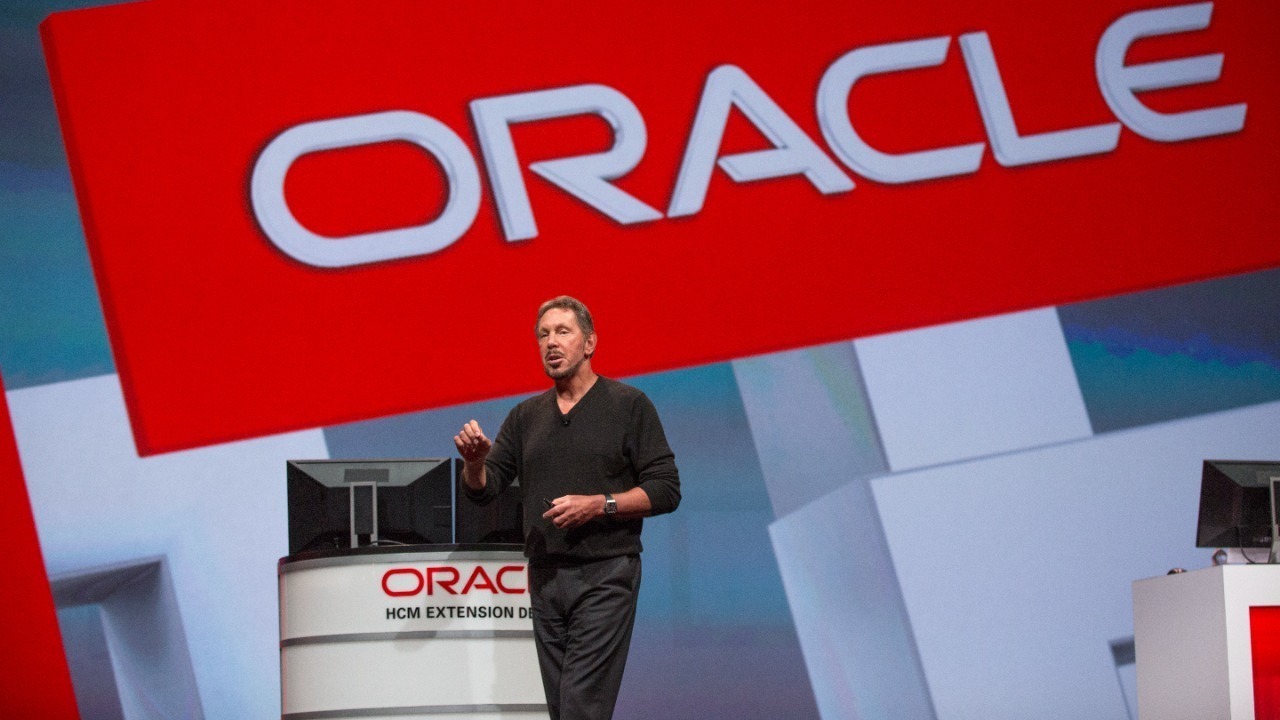
No one has felt the sting of the AI slump more acutely than Oracle’s cofounder. Reports show that Larry Ellison has seen an unmatched $49 billion wiped off his net worth in 2026 as software stocks sold off, a reflection of how aggressively Oracle has been repositioned as an AI infrastructure player. The company has poured capital into data centers and high-end chips and has touted partnerships with model developers as proof it can catch up to larger cloud rivals, a strategy that magnifies both upside and downside when sentiment swings.
Another account underscores just how compressed this wealth destruction has been, noting that Oracle’s founder has lost almost $50 billion this year in less than forty days. For a company that has marketed itself as a key infrastructure layer for AI workloads, the market’s sudden skepticism is telling. It suggests investors are no longer willing to pay a premium simply for proximity to AI, and instead are demanding clearer evidence that those partnerships translate into recurring, high-margin revenue rather than one-off capacity deals.
Bezos, Amazon and the cloud-AI squeeze
Jeff Bezos has not been spared, even if his losses are smaller in absolute terms. One breakdown of the rout notes that Amazon’s founder has seen his fortune drop by $14 billion as the same AI-driven slump that hit software names rippled into cloud and e-commerce valuations, a move that reflects doubts about how quickly AI services inside Amazon Web Services can offset pressure in retail and advertising. The fact that Bezos’s wealth is still heavily tied to Amazon stock means any reassessment of the company’s AI roadmap shows up almost instantly in his net worth.
A separate analysis of the billionaire wealth shakeout highlights that Amazon founder Jeff fortune has also dropped $14 billion, putting him in the same AI crossfire as Ellison even though Amazon’s business mix is more diversified. This pairing is instructive. It shows that markets are not just punishing pure-play software vendors, they are also marking down conglomerates whose AI narratives were used to justify lofty valuations across multiple segments, from logistics automation to recommendation engines.
From AI miracle to revenue risk
What changed so quickly in investors’ minds? One catalyst has been a growing argument from inside the industry that AI might be too good at its job. On a recent earnings call, Palantir CEO Alex advanced the idea that AI tools are now so effective at automating tasks that they could actually reduce demand for some traditional software and services. If customers can use a single AI system to replace multiple point solutions, the total addressable market for legacy products shrinks, and the revenue pie that was supposed to expand might instead be sliced differently.
That narrative has collided with a broader selloff in software and services stocks. One account notes that Following the broad selloff that saw the S&P 500 software and services index fall by nearly 4%, at least $62 billion was wiped from the wealth of several top tech founders in a single session. When a benchmark tied to the S&P 500 can swing that much on AI fears, it signals a structural rethink rather than a passing wobble. The market is starting to price in the possibility that AI will compress margins for vendors even as it boosts productivity for customers.
A backlash against AI overreach, or a misread?
Some analysts argue that the current slump is less about fundamentals and more about investors overreacting to a provocative thesis. One assessment points out that the market appears to be reacting to Edwards and others highlighting Palantir CEO Alex Karp’s comments on a Monday earnings call, even though some bank strategists say the resulting tech stock free fall does not make logical sense. In that reading, traders have seized on the idea of AI cannibalizing revenue as a convenient excuse to take profits after a huge run, rather than a carefully modeled forecast of future cash flows.
Yet there are signs of a genuine backlash against AI overreach. One detailed wealth breakdown notes that After months of eyebrow-raising over software valuations and AI promises, a single Tuesday selloff was enough to erase at least $62 billion from the richest tech fortunes. When markets move that violently, it usually reflects more than just one earnings call. It suggests a deeper discomfort with business models that lean heavily on AI rhetoric without matching disclosures on governance, data usage, and long-term customer economics.
More From The Daily Overview
*This article was researched with the help of AI, with human editors creating the final content.

Grant Mercer covers market dynamics, business trends, and the economic forces driving growth across industries. His analysis connects macro movements with real-world implications for investors, entrepreneurs, and professionals. Through his work at The Daily Overview, Grant helps readers understand how markets function and where opportunities may emerge.

