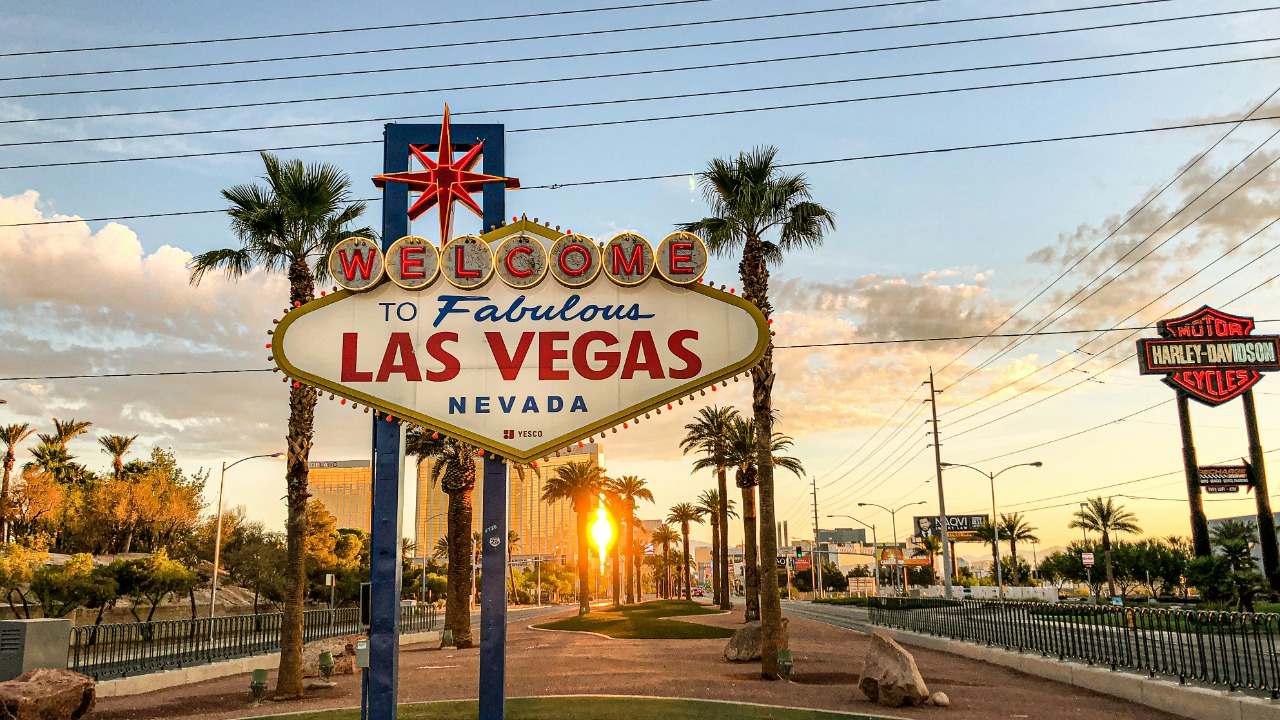
Las Vegas built its modern identity on the promise that the party never stops and property values only move one way. Now the city is confronting a harsher reality, as a deep tourism slowdown collides with a housing market that has flipped from frenzy to fragility. Home prices are slipping, deals are falling apart and the Strip’s slump is rippling through neighborhoods that once felt insulated from casino economics.
The result is a slow-motion shock for owners who bought near the peak and a rare opening for buyers who can still afford to act. The same forces that made Las Vegas a boomtown are now amplifying the bust, leaving the region to navigate what looks less like a blip and more like a structural reset.
The tourist engine stalls and the jobs go with it
Las Vegas has always been a company town, and the company is tourism. When visitor numbers weaken, the impact spreads quickly from the Strip to the suburbs. The city’s dependence on travelers is so pronounced that analysts warn that Any recession would likely hit Nevada harder and faster than most of the country, a risk that is now materializing in one of the highest jobless rates in the United States. That vulnerability is rooted in a model where Southern Nevada leans heavily on visitors to support everything from casino floors to construction and retail.
The current slump did not appear overnight. Travel limitations earlier in the decade cut annual visitors to Las Vegas by more than half, to 19 million, and the recovery since then has been uneven. Recent budget data show Signs of strain across the tourism economy, with fewer visitors, softer hotel rates and shrinking tax collections squeezing public services and local health systems. For a metro whose global brand, from the Strip to surrounding Las Vegas neighborhoods, is built on constant inflows of people and money, that slowdown is the first domino in a broader economic reset.
From bidding wars to buyer leverage in housing
As the tourist engine sputters, the housing market that once fed on casino-fueled confidence is losing altitude. After a pandemic-era surge that pushed values to record highs, the median price of existing single-family homes in $470,000 in Southern Nevada during December slipped 1.1% from a year earlier, with sales for 2025 falling to their lowest level since 2007. That pullback has continued into the new year, as Total Sales of existing homes, condos and townhomes dropped to 1,825 in January, with an 8.4% decline for single-family homes compared with a year earlier. For a market used to double-digit annual gains, that reversal feels jarring.
Local agents say the balance of power has shifted. The Las Vegas housing market has moved in favor of buyers, with sellers waiting longer and purchasers negotiating significant concessions, a trend highlighted in a recent video where The Las Vegas market is described as having clearly turned. A separate snapshot of Housing conditions in Las Vegas underscores that buyers now have more options across Home listings, Condos and townhomes, as inventory builds and sellers adjust expectations. What once felt like a one-way bet on appreciation now looks more like a negotiation, and in some cases a standoff.
Tourism slump meets housing slide
The connection between the Strip and the suburbs is clearest where the tourism downturn and housing slide intersect. As casino floors stay quieter and convention calendars thin, layoffs and reduced hours erode the incomes that support mortgages and rent. Analysts tracking Southern Nevada’s property market note that Southern Nevada entered 2026 with conditions increasingly favorable to buyers, a polite way of saying sellers are losing their grip on pricing power. That shift is happening just as the broader economy digests the reality that visitor-driven jobs are less secure than they appeared during the boom.
On the Strip, resort operators are scrambling to keep rooms filled without destroying their brands. Affordability has become a central concern for both tourists and locals in Las Vegas (KSNV), where soft tourism numbers since 2024 have pushed resorts to roll out new discounts and packages. That pressure on room rates and resort fees feeds directly into lower tax collections and weaker wage growth, which in turn weigh on the ability of households to buy or hold property. In a city where so many jobs are tied to hospitality, the feedback loop between a tourist slump and a cooling housing market is unusually tight.
Inside the “nightmare” for sellers: failed deals and falling leverage
For homeowners who stretched to buy at the top, the current environment feels like a nightmare unfolding in slow motion. A recent report found that 19% of all home sales in the Las Vegas Valley are now falling through before closing, a sign that financing is fragile and buyers are quick to walk away if inspections or appraisals disappoint. Both Redfin and Zillow have the valley squarely in a buyer’s market, and one local expert, Both Redfin and agree that shifting rental prices are nudging some would-be purchasers back into leasing. That combination of failed escrows and softer rents undercuts the confidence that once defined Las Vegas real estate.
At the same time, the composition of buyers is changing. Cash investors, who once snapped up properties across the valley, now account for just 26 percent of transactions, according to an analysis that also notes that Cash buyers have retreated as prices soften. Forced or distressed sales remain rare, with Forced transactions still a small share of the market, but the psychological shift is unmistakable. Traditionally, when the market moves from favoring sellers to favoring buyers, inventory rises, days on market lengthen and, as one analysis of national trends notes, Traditionally sellers respond by cutting asking prices. Las Vegas is now following that script, only with the added drag of a tourism slump that makes every price cut feel more ominous.
Short-term pain, long-term questions
Despite the gloom, there are signs that the current downturn may not last forever. Economists at UNLV say UNLV expects Las Vegas tourism to rebound in 2026, helped by pro sports and the city’s relative value compared with other destinations. A separate forecast suggests visitor counts could reach between 39 and 40 m visitors, slightly below pre-slump levels but an improvement on 2025. Industry experts from the Industry at the University of Nevada, Las Vegas, or UNLV, even project more than 40 m visitors in a strong scenario, arguing that the city’s mix of sports, entertainment and value will eventually pull travelers back.
Housing forecasts are more cautious but still stop short of predicting a crash. One detailed Las Vegas Housing 2026 expects a more balanced market, with buyers becoming pickier and more value-driven rather than a wave of forced selling. Another outlook focused on Las Vegas luxury homes notes that high-end demand remains relatively resilient, even as mainstream buyers pull back. Local data from LVR show that Even with a recent record median price, trends had already begun shifting in favor of home buyers, a pattern reinforced by a new report from Las Vegas Realtors that found prices stabilizing and inventory rising to create conditions that favor homebuyers.
More From The Daily Overview
*This article was researched with the help of AI, with human editors creating the final content.

Elias Broderick specializes in residential and commercial real estate, with a focus on market cycles, property fundamentals, and investment strategy. His writing translates complex housing and development trends into clear insights for both new and experienced investors. At The Daily Overview, Elias explores how real estate fits into long-term wealth planning.

