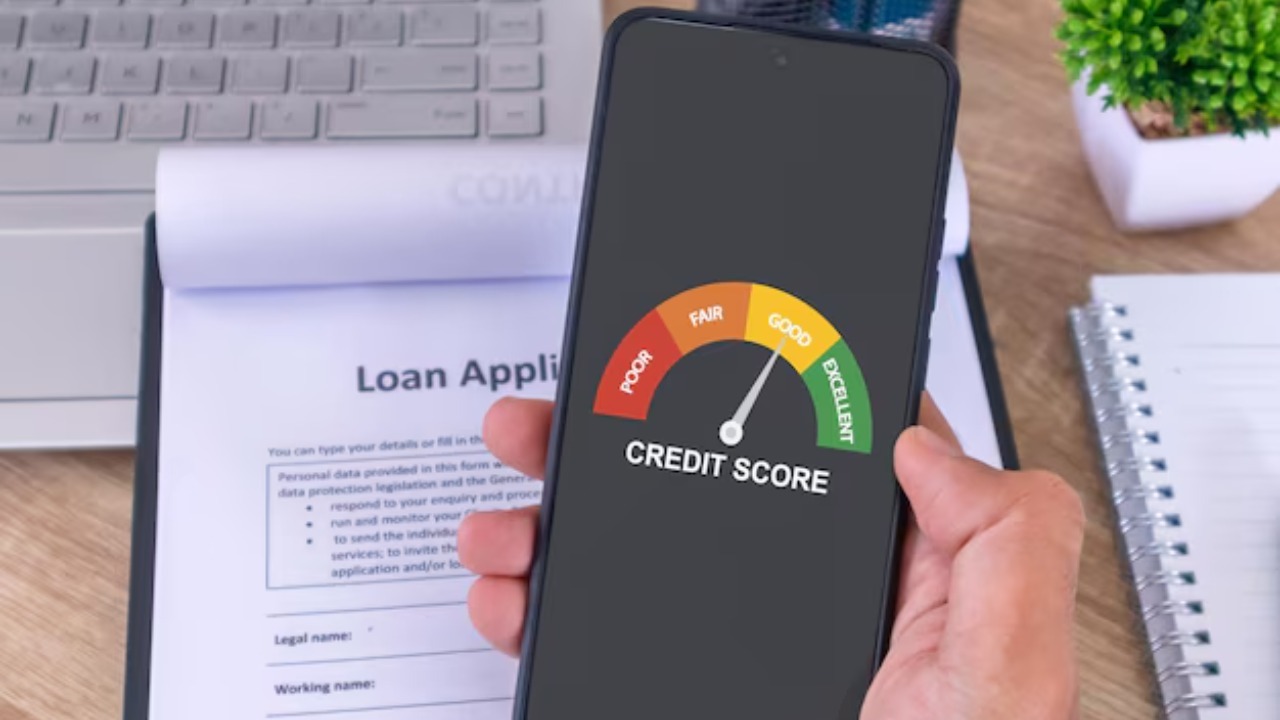
Recent changes in student loan reporting are causing significant credit score drops for borrowers, with some experiencing reductions of up to 200 points. As past-due payments from the pandemic era resume being factored into credit reports, these updates, implemented after federal forbearance ended, are highlighting missed payments that were previously paused. Borrowers now face urgent challenges as lenders report delinquencies more aggressively, potentially derailing financial plans like home buying or job applications.
Background on Student Loan Reporting Shifts
The end of the federal student loan forbearance program has triggered lenders to resume reporting payment histories to credit bureaus, including delinquencies from 2020-2023 that were previously not penalized. This shift marks a significant change for borrowers who had relied on the temporary relief measures during the pandemic. Major credit bureaus like Equifax, Experian, and TransUnion have updated their policies to reflect these past-due statuses starting in early 2025, aligning with the U.S. Department of Education’s guidance. This alignment with pre-pandemic standards affects over 40 million borrowers, making it a widespread issue.
The resumption of reporting these delinquencies has brought to light missed payments that were previously overlooked. The U.S. Department of Education’s guidance has played a crucial role in influencing servicers to align reporting with pre-pandemic standards. This change has significant implications for borrowers, as it affects their creditworthiness and financial opportunities. With over 40 million borrowers impacted, the scale of this issue is substantial, highlighting the need for borrowers to be proactive in managing their credit reports.
Mechanisms of Credit Score Damage
Late payments on student loans, now visible on credit reports for up to seven years, directly lower FICO scores by impacting the payment history factor, which comprises 35% of the score. This aspect of credit scoring is crucial, as it reflects a borrower’s reliability in meeting financial obligations. Delinquencies reported as 30, 60, or 90+ days past due cause progressively larger deductions in credit utilization and score calculations. Each tier of delinquency has a compounding effect, making it essential for borrowers to address these issues promptly.
Multiple missed payments can compound effects, turning a single oversight into a prolonged score hit that reduces access to favorable interest rates. This compounding effect is particularly concerning for borrowers who may have missed several payments during the pandemic. The impact on credit scores can be severe, limiting access to credit and increasing the cost of borrowing. Understanding these mechanisms is crucial for borrowers looking to mitigate the damage and improve their financial standing.
Magnitude of Score Declines and Real Examples
Borrowers have experienced credit score drops of up to 200 points following the February 2025 reporting updates, particularly those with loans in default status. This drastic decline in credit scores can have far-reaching consequences, affecting everything from loan approvals to interest rates. For example, individuals whose scores fell from the 700s to below 500 due to unreported forbearance-era lapses now surfacing in September 2025 reports face significant financial challenges. These examples illustrate the real-world impact of the reporting changes and underscore the importance of proactive credit management.
Broader trends show average drops of 50-100 points among affected federal loan holders, based on analyses from March 2025. This widespread decline in credit scores highlights the systemic nature of the issue and the need for borrowers to take action. Understanding the magnitude of these score declines is essential for borrowers to assess their financial situation and plan accordingly. By recognizing the potential impact on their credit scores, borrowers can take steps to mitigate the damage and improve their financial outlook.
Steps to Mitigate and Recover from Impacts
To mitigate the impact of these changes, borrowers should check their credit reports via AnnualCreditReport.com to identify and dispute any inaccuracies in student loan reporting, especially post-October 2025 changes. This proactive approach can help borrowers address errors and improve their credit scores. Additionally, enrolling in income-driven repayment plans or requesting loan rehabilitation can remove negative marks, which can begin restoring scores within 6-12 months. These options provide a pathway for borrowers to improve their credit standing and regain financial stability.
Building positive credit habits, such as making on-time payments on other debts and using secured cards, can offset the sabotage from student loan delinquencies. These habits are essential for improving credit scores and enhancing financial opportunities. By focusing on positive credit behaviors, borrowers can gradually rebuild their credit profiles and access more favorable financial terms. Understanding the steps to mitigate and recover from these impacts is crucial for borrowers looking to improve their financial outlook and achieve their financial goals.

Julian Harrow specializes in taxation, IRS rules, and compliance strategy. His work helps readers navigate complex tax codes, deadlines, and reporting requirements while identifying opportunities for efficiency and risk reduction. At The Daily Overview, Julian breaks down tax-related topics with precision and clarity, making a traditionally dense subject easier to understand.
