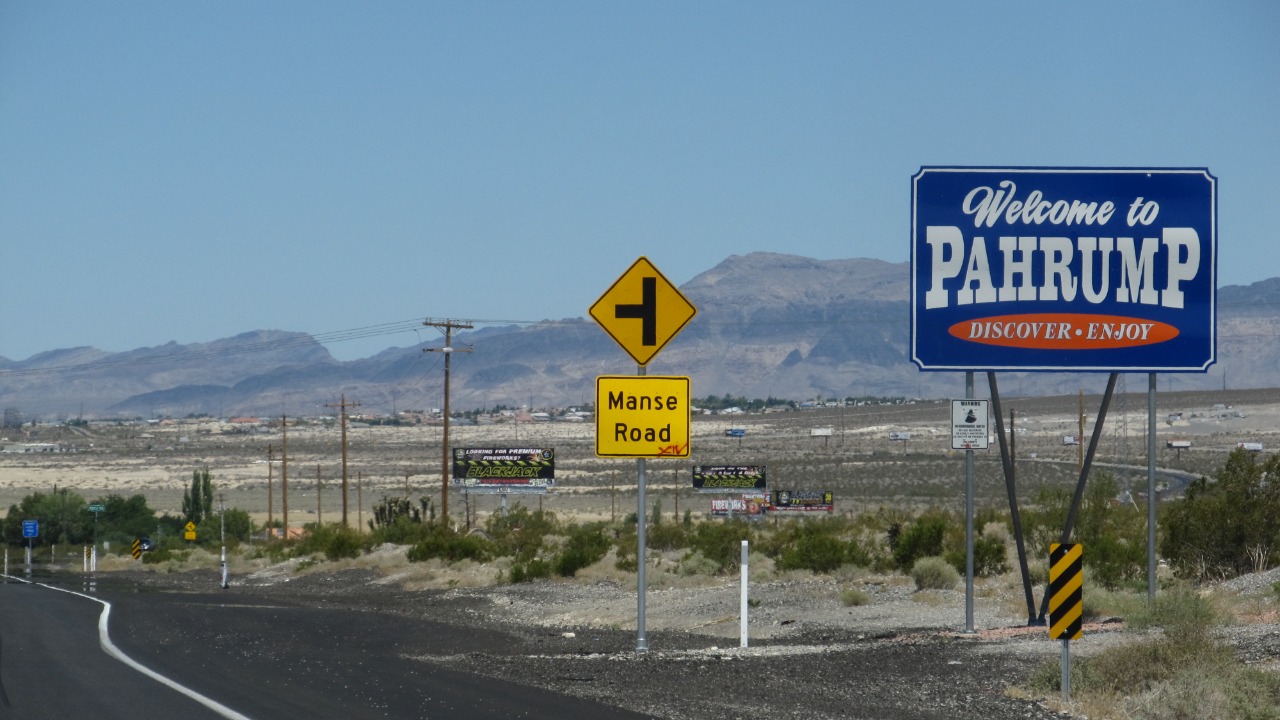
Clark County’s layered lodging-tax surcharges on hotels near the Las Vegas Strip are widening the cost gap between the Strip’s Primary Gaming Corridor and nearby communities. Henderson, southeast of the Strip, and Pahrump in Nye County are often cited as alternatives because the Primary Gaming Corridor’s add-on rates do not apply there. While no single dataset proves Strip-area taxes are the direct cause of moves, the timing of incremental rate increases has coincided with broader affordability pressures in Southern Nevada.
How Strip-Area Tax Surcharges Stack Up
The tax pressure on the Strip corridor is not a single levy but a stack of overlapping charges that compound quickly. Clark County has imposed incremental lodging surcharges tied to both the Las Vegas Convention and Visitors Authority expansion and stadium construction. Properties inside the Primary Gaming Corridor, or PGC, face a higher add-on rate than those outside it. That district-level difference means a hotel room a few blocks from the Strip can carry a meaningfully lighter tax load than one directly on it.
The county enforces this split through separate monthly reporting requirements for each district, including a dedicated form for resorts and resort brokers inside the PGC. On top of lodging surcharges, entertainment venues may also owe Nevada’s Live Entertainment Tax, which the state tax agency administers for non-gaming establishments while the Nevada Gaming Control Board handles it for gaming properties. Together, these layers can create a cost environment that is more expensive inside the corridor than just beyond its borders, and even small percentage-point differences can add up quickly when multiplied across thousands of room nights or ticket sales.
Henderson’s Growth Tells the Story
Henderson’s population trajectory offers the clearest demographic signal of outward movement. Recent federal estimates show the city’s population has grown notably since 2020, reflecting a sustained influx that outpaces many other Southern Nevada communities. While no single government dataset draws a direct causal line from Strip-area taxes to Henderson mailboxes, the timing aligns with the county’s phased lodging tax hikes and the broader affordability squeeze felt by workers in the hospitality sector.
Henderson sits close enough to the Strip for a manageable commute but falls outside the PGC’s steepest surcharge zone. For small lodging operators and short-term rental hosts, that geographic distinction translates into real savings on monthly tax filings processed through the statewide online tax portal. For workers priced out of Strip-adjacent neighborhoods, it means lower housing costs without abandoning access to the jobs concentrated along Las Vegas Boulevard. The city’s appeal is less about any single incentive and more about the cumulative relief of stepping outside the corridor’s tax perimeter, where the same paycheck stretches further on rent, groceries, and gas.
Pahrump as the Farther Escape Valve
Pahrump presents a more dramatic version of the same calculation. Located in Nye County, it sits entirely outside Clark County’s taxing jurisdiction. Lodging taxes in Nevada are imposed and collected locally, with rates varying by county, according to the Nevada Department of Taxation’s lodging tax guidance. That means Pahrump operates under a different rate structure altogether, one that does not include the PGC premium or the stadium construction surcharge. For anyone willing to trade proximity for savings, the math favors Nye County, especially for smaller motels and RV parks that compete on nightly price.
The tradeoff is distance and infrastructure. Pahrump lacks the transit links, hospital density, and commercial depth of Henderson or Las Vegas, and its growth has historically lagged the urban core. Remote work has softened that disadvantage for some residents, but service-industry employees who depend on Strip shifts face a long drive through the desert. The town’s appeal is strongest for retirees, remote professionals, and small operators who do not need daily access to the corridor. Any sustained population growth in Pahrump would strain local services that were sized for a much smaller community, raising questions about whether Nye County can absorb the demand without imposing its own new fees and whether its digital systems, including access to online tax accounts, can keep pace with a more complex local economy.
The Revenue Tension for Clark County
Clark County’s lodging taxes exist for concrete reasons. The LVCVA expansion and stadium construction require dedicated funding streams, and the PGC’s high visitor volume makes it a logical place to concentrate collection. Property tax revenue is a major funding source for local government services in the Las Vegas area, including education and public safety, as described in a Clark County fiscal overview. Lodging surcharges are designed to shift part of that burden onto visitors rather than residents, a design choice that aligns with how many tourism-heavy jurisdictions structure their budgets. The problem is that the surcharges also land on the workers and small businesses that serve those visitors, especially when higher costs ripple into rents and commercial leases near the Strip.
When hospitality employees and independent operators relocate to Henderson or Pahrump, the county keeps collecting from tourists but loses residential tax base and day-to-day spending in Strip-adjacent neighborhoods. Schools, fire stations, and road maintenance in Las Vegas still need funding, but the people who once lived nearby and contributed to the local economy are now spending their paychecks in a different zip code. The state’s centralized filing system, accessed through the main taxpayer gateway, continues to process returns from operators across all districts, but the geographic distribution of those filers is slowly shifting as businesses and workers move. Clark County faces a version of the same dilemma that has challenged other high-demand metros: the revenue tools that fund public investment can also push out the workforce that makes the investment productive.
What a Widening Gap Means for Southern Nevada
The dominant assumption in most coverage of Strip-area taxes is that tourists absorb the cost and locals are largely unaffected. That narrative glosses over how tax rules shape where workers live, where small businesses open, and which communities shoulder the indirect costs of growth. As Henderson and Pahrump draw residents who once would have clustered near Las Vegas Boulevard, Southern Nevada’s economic map is becoming more polycentric, with jobs and tax collections concentrated in one jurisdiction while bedroom communities and long commutes spread into others. State and local agencies have also modernized tax administration through online filing systems, but that does not resolve the underlying question of who ultimately pays for the Strip’s infrastructure.
If the gap between corridor and non-corridor tax burdens continues to widen, Clark County will face pressure to recalibrate. One path is to hold the line on surcharges and accept a gradual shift of residents and some small operators to neighboring jurisdictions, betting that tourism demand is strong enough to sustain revenue even as local workers drive farther. Another is to explore targeted relief for workforce housing or for smaller, non-corporate lodging properties that operate inside the PGC but lack the pricing power of megaresorts. Either way, the choices made in the next budget cycles will reverberate well beyond the neon glow of the Strip, shaping where Southern Nevadans live, how long they commute, and which communities can afford to keep up with the region’s rapid growth.
More From The Daily Overview
*This article was researched with the help of AI, with human editors creating the final content.

Elias Broderick specializes in residential and commercial real estate, with a focus on market cycles, property fundamentals, and investment strategy. His writing translates complex housing and development trends into clear insights for both new and experienced investors. At The Daily Overview, Elias explores how real estate fits into long-term wealth planning.

