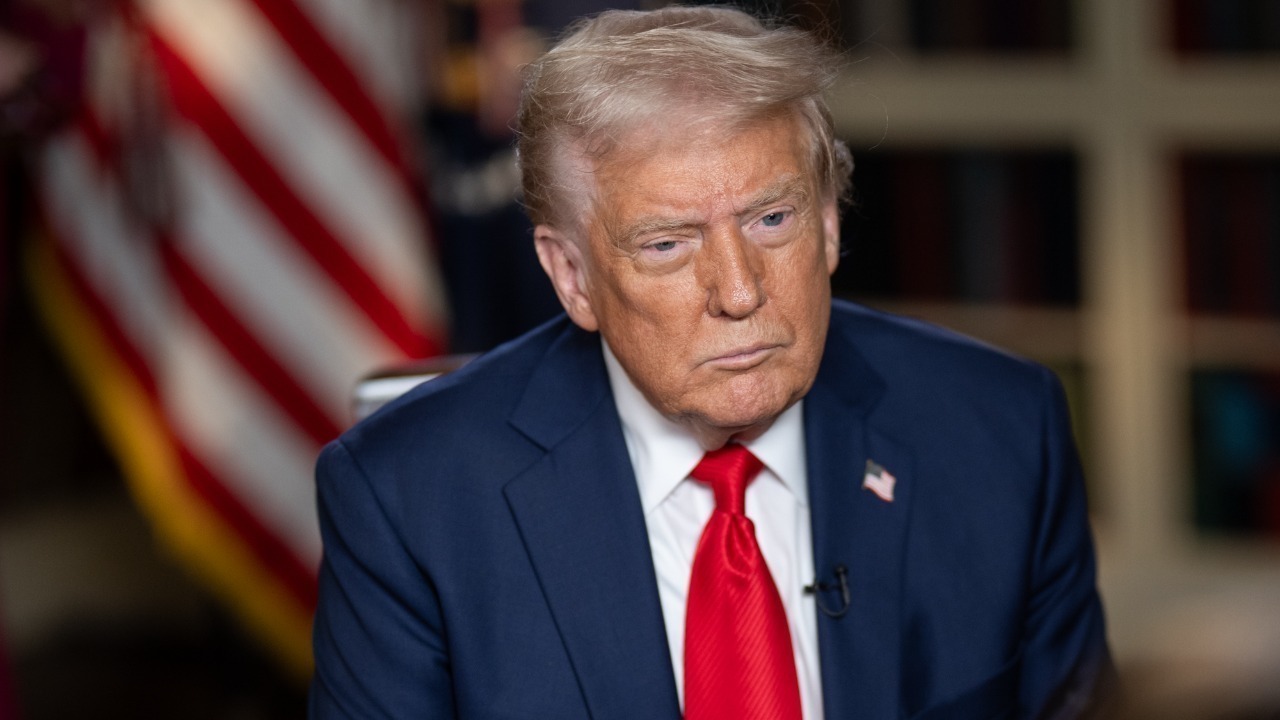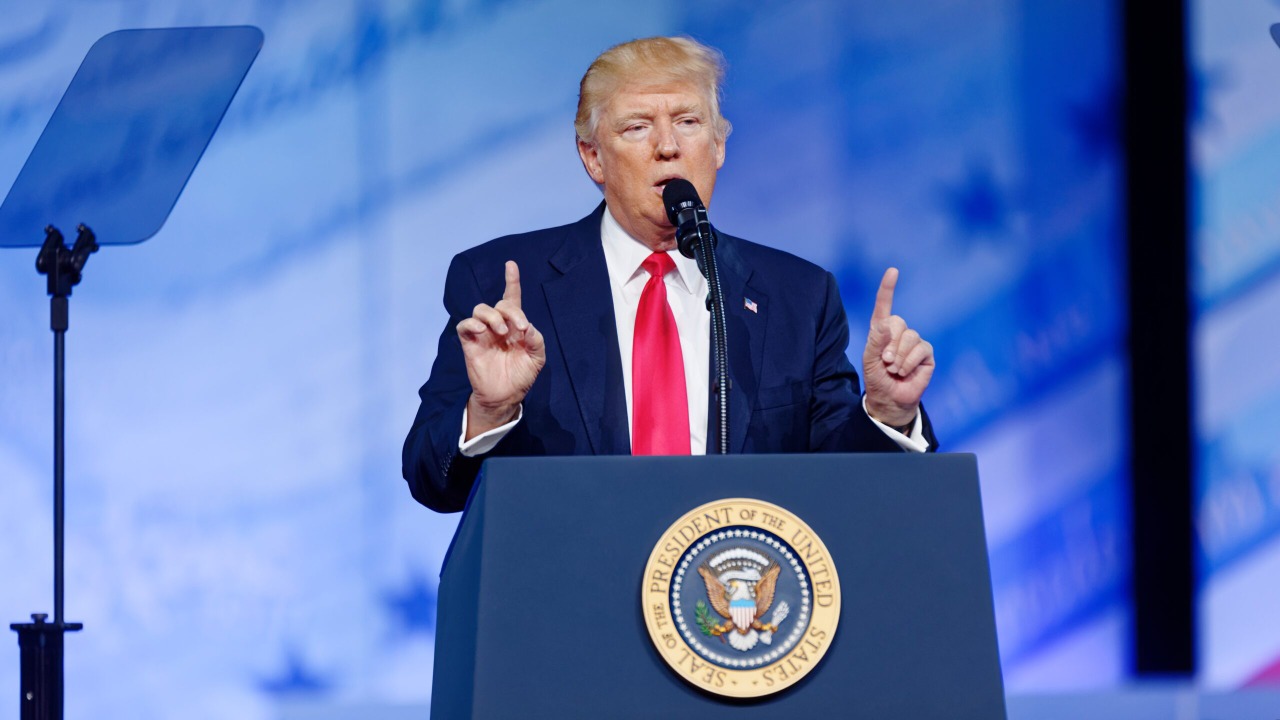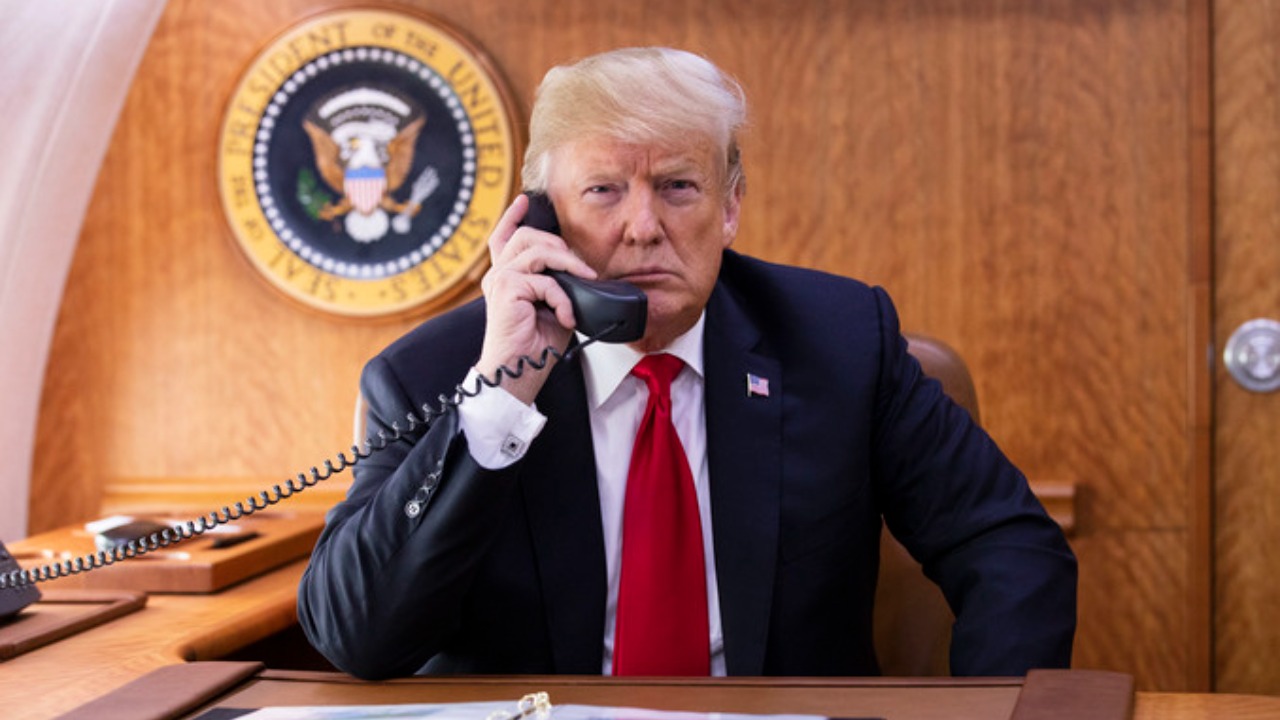
President Donald Trump has been vocal about his desire for lower interest rates, a stance that aligns closely with his financial interests. Recently, Trump announced plans to secure a “Fed majority” to facilitate this goal, following the dismissal of Cook. This strategic move is part of his broader effort to influence the Federal Reserve, aiming to achieve economic outcomes that are favorable to his personal and business interests. CNBC reports that Trump’s actions are seen as a calculated attempt to shape monetary policy to his advantage.
The Impact of Lower Interest Rates on Trump’s Financial Interests

Lower interest rates are particularly advantageous for Trump’s extensive real estate holdings. By reducing borrowing costs, these rates can significantly enhance the profitability of his properties. According to Forbes, Trump’s financial statements reveal substantial loans that are tied to variable interest rates, meaning that any reduction in rates directly benefits his bottom line. This financial structure underscores why Trump is keen on influencing the Federal Reserve’s policies.
Moreover, lower interest rates have the potential to increase property values, which aligns with Trump’s ongoing real estate ventures. As borrowing becomes cheaper, more investors are likely to enter the market, driving up demand and, consequently, property prices. This scenario is beneficial for Trump, who continues to invest heavily in real estate. The Forbes analysis highlights how Trump’s financial strategies are intricately linked to the interest rate environment, making his advocacy for lower rates a matter of personal financial interest.
Trump’s Influence on the Federal Reserve
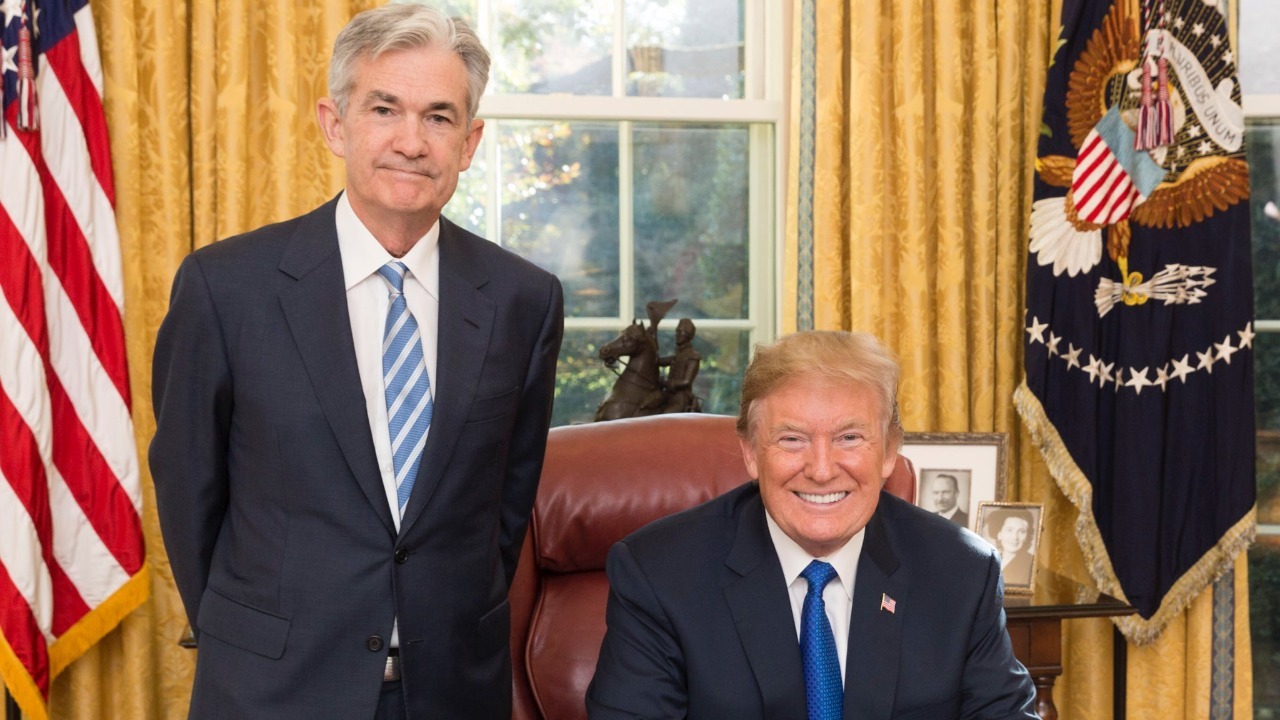
Trump’s influence over the Federal Reserve is poised to grow as he appoints members who share his vision for lower interest rates. This strategic maneuver is part of a broader plan to reshape the Fed’s approach to monetary policy. Barron’s reports that Trump’s appointments are expected to align with his economic strategies, marking a significant shift in the Fed’s composition and decision-making process.
The recent firing of Cook is a critical step in Trump’s plan to establish a majority within the Fed that supports his interest rate policies. With this majority, Trump aims to ensure that the Fed’s decisions reflect his economic priorities. As CNBC notes, this development could lead to sustained lower rates, fulfilling Trump’s long-term financial objectives. Analysts suggest that this pressure on the Fed could have lasting implications for U.S. monetary policy.
Economic and Political Implications of Lower Rates

The potential economic implications of Trump’s push for lower interest rates are a topic of ongoing debate. Some analysts argue that his focus on reducing rates could lead to inflationary pressures, while others believe it could stimulate economic growth. According to Yahoo Finance, the debate centers on whether the benefits of lower rates, such as increased investment and spending, outweigh the risks of rising inflation.
Additionally, Trump’s tariffs add another layer of complexity to the interest rate discussion. As Investopedia explores, these tariffs could influence savings and CD rates, impacting various sectors of the economy. The interplay between tariffs and interest rates presents both challenges and opportunities for Trump’s economic agenda, with potential repercussions for his political ambitions.
Lower interest rates can have far-reaching economic implications beyond Trump’s personal financial interests. For the broader economy, reduced rates often lead to increased borrowing by businesses and consumers, which can stimulate economic activity. This can result in higher consumer spending and business investments, potentially leading to job creation and economic growth. However, as Yahoo Finance points out, the risk of inflation remains a significant concern. If inflation rises too quickly, it could erode purchasing power and lead to higher costs for goods and services, which might offset the benefits of economic growth.
Politically, Trump’s push for lower rates could be seen as a strategic move to bolster his economic credentials. By advocating for policies that potentially lead to economic expansion, Trump may aim to strengthen his political standing and appeal to voters who prioritize economic issues. However, as Investopedia discusses, the interplay between tariffs and interest rates complicates this narrative. Tariffs can lead to increased costs for imported goods, which might counteract the benefits of lower rates by contributing to inflationary pressures. This complex economic landscape presents both opportunities and challenges for Trump’s administration, as it seeks to balance growth with economic stability.