
Million-dollar homes are currently the fastest-moving segment of the housing market, with sales accelerating as the wealth gap widens, favoring high-income buyers. In key locations like Miami, luxury properties are driving market momentum, according to a housing market forecast from April 8, 2025. High-end housing trends indicate sustained demand heading into 2025, as outlined in a report from April 9, 2025.
Rising Demand for Luxury Properties

The luxury housing market is witnessing a significant surge, with million-dollar homes outpacing other price segments in sales velocity. This trend is largely attributed to the concentrated wealth among top earners, who are increasingly investing in high-end real estate. According to a report from Yahoo Finance, properties priced at or above $1 million are experiencing quicker turnover times compared to mid-range homes. This rapid movement underscores the growing demand among affluent buyers who are less affected by economic fluctuations that typically impact the broader market.
Buyer demographics reveal that affluent individuals and investors are the primary drivers of this segment’s growth. These buyers are not only purchasing homes for personal use but also as investment opportunities, capitalizing on the potential for high returns in a thriving luxury market. The increased interest from this demographic highlights a shift in purchasing power, where wealthier individuals are able to leverage their financial resources to secure prime real estate assets.
The Role of Wealth Inequality in Market Shifts

The growing wealth gap is a significant factor channeling purchasing power into high-end real estate, leaving lower segments of the market stagnant. As wealth becomes more concentrated among the top earners, their ability to invest in luxury properties increases, further accelerating sales in this segment. Economic data from the Yahoo Finance report highlights a direct correlation between income disparities and the acceleration of luxury home sales.
Policy and economic factors also play a crucial role in exacerbating this divide. Tax incentives and favorable lending conditions for high-net-worth individuals often benefit million-dollar home transactions, making it easier for wealthy buyers to acquire luxury properties. These conditions contribute to a market environment where high-end real estate thrives, while more affordable housing options struggle to keep pace.
Spotlight on Miami’s High-End Market
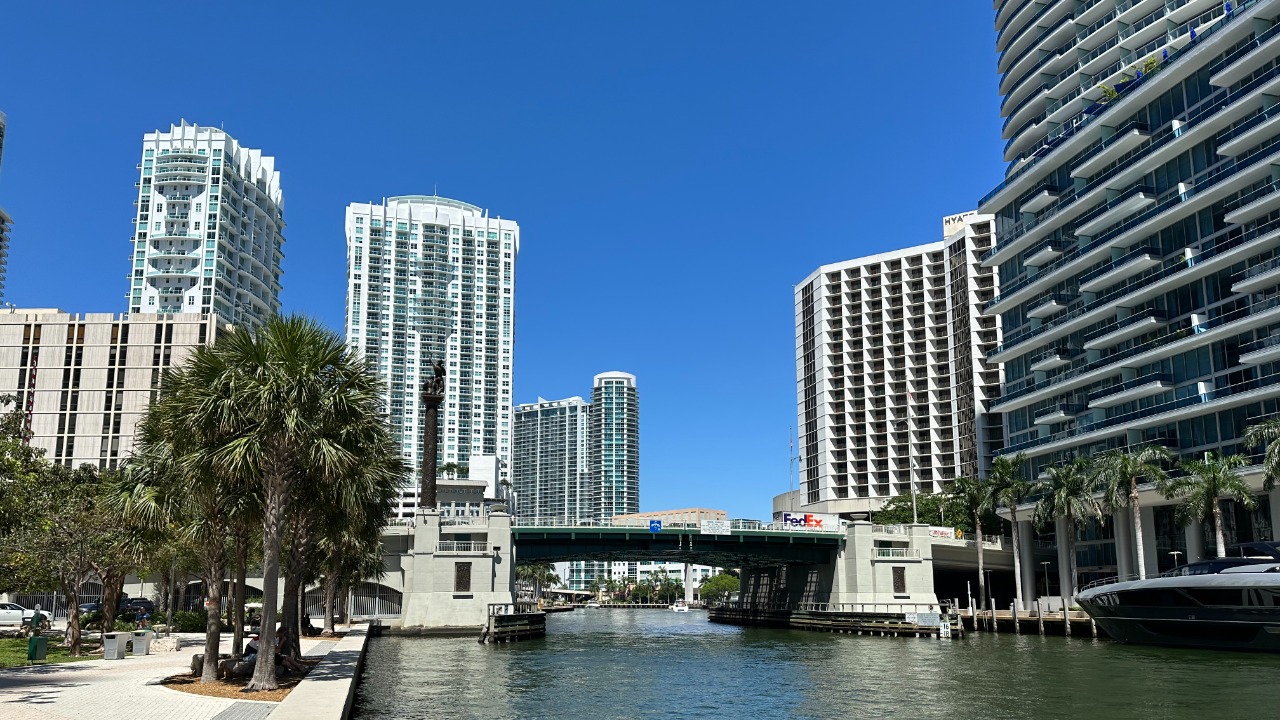
Miami’s housing market is a prime example of robust activity in the luxury segment. According to the Miami housing market forecast, there is a notable increase in inventory movement for million-dollar properties, driven by local economic booms and an influx of wealth into the region. This trend highlights Miami as a hotspot for luxury real estate, where high-end homes are selling faster than the national average.
Location-specific trends in Miami reveal that the city’s luxury market is benefiting from a combination of factors, including favorable tax policies and a thriving local economy. These elements attract both domestic and international buyers, further fueling demand for high-end properties. Compared to national averages, Miami’s luxury market exhibits faster sales cycles, underscoring the city’s appeal as a desirable destination for affluent buyers.
Outlook for Luxury Housing in 2025

The outlook for the luxury housing market in 2025 remains strong, with projections indicating continued demand for million-dollar homes. According to a report from Realtor.com, high-end housing trends suggest that this segment will maintain its momentum, driven by the ongoing wealth gap and economic conditions favoring affluent buyers. However, potential challenges such as interest rate fluctuations could impact the purchasing power of even the wealthiest buyers, introducing some uncertainty into the market.
Despite these challenges, the wealth gap is expected to further propel growth in the luxury segment. Economic indicators for 2025 suggest that as long as wealth remains concentrated among top earners, the demand for high-end real estate will persist. This dynamic underscores the importance of understanding the broader economic and policy factors that influence the luxury housing market, as they will continue to shape its trajectory in the coming years.

Elias Broderick specializes in residential and commercial real estate, with a focus on market cycles, property fundamentals, and investment strategy. His writing translates complex housing and development trends into clear insights for both new and experienced investors. At The Daily Overview, Elias explores how real estate fits into long-term wealth planning.