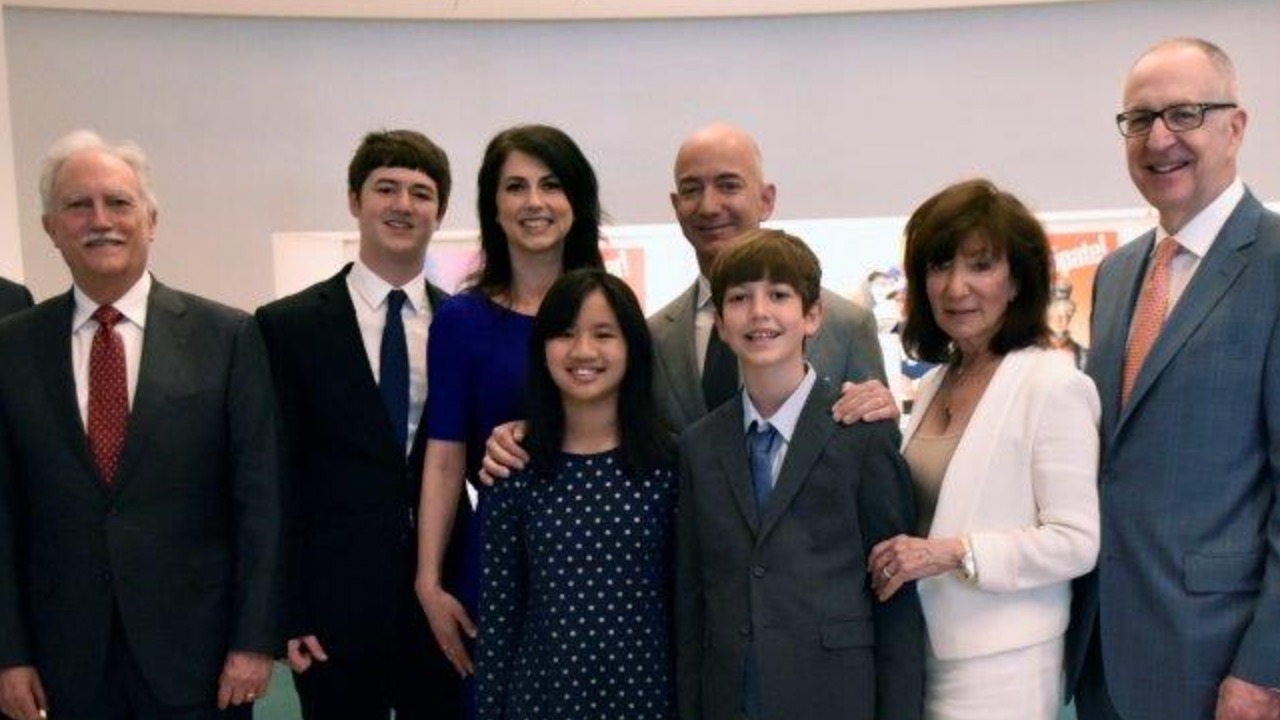
MacKenzie Scott has significantly reduced her Amazon stake by nearly $13 billion, marking one of the most substantial reductions since her 2019 divorce from Jeff Bezos. This move underscores the ongoing adjustments in the ownership stakes of Amazon’s co-founders following their high-profile separation. Meanwhile, Jeff Bezos’ Amazon ownership has also seen a notable decline, now falling below 10%, reflecting parallel shifts in his personal holdings.
Background on the 2019 Divorce
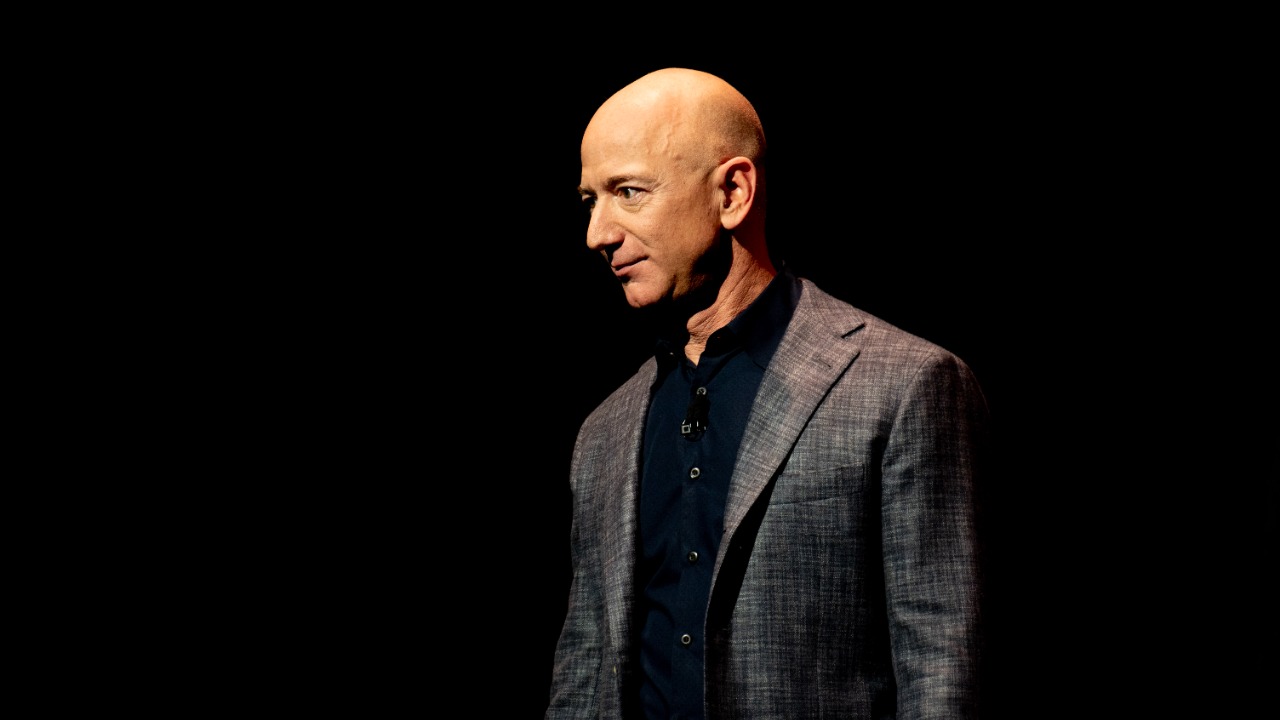
The 2019 divorce between MacKenzie Scott and Jeff Bezos was a landmark event, not only for its high-profile nature but also for the substantial financial settlement involved. As part of the divorce agreement, Scott received a significant portion of Amazon shares, which instantly positioned her among the world’s wealthiest individuals. This settlement was a pivotal moment, as it transferred a considerable amount of Amazon equity from Bezos to Scott, reshaping the financial landscape for both parties.
At the time of the split, Scott’s newfound wealth made her one of the most influential figures in the business world. Her substantial Amazon holdings provided her with both financial power and a platform to pursue her philanthropic interests. The divorce settlement, which was one of the largest in history, highlighted the immense value tied up in Amazon shares and set the stage for Scott’s future financial and philanthropic endeavors.
MacKenzie Scott’s Stake Reduction

Recently, MacKenzie Scott trimmed her Amazon stake by almost $13 billion, marking one of the largest reductions since her divorce from Jeff Bezos. This significant sale is a continuation of her strategy to manage her wealth and philanthropic activities. The scale of this sale is noteworthy, as it represents a substantial portion of her post-divorce holdings, reflecting her ongoing commitment to reshaping her financial portfolio.
The timeline of Scott’s stake reduction reveals a pattern of strategic divestment. Since her divorce, she has consistently reduced her Amazon holdings, aligning with her broader goals of philanthropy and financial independence. The $13 billion reduction is a testament to her methodical approach to managing her wealth, ensuring that her financial resources are aligned with her personal and philanthropic objectives.
Scott’s decision to reduce her Amazon stake can be seen as part of a broader trend among wealthy individuals who are diversifying their portfolios and focusing on philanthropic efforts. Her actions highlight the growing importance of social responsibility among the ultra-wealthy, as she continues to use her resources to effect positive change in the world.
Jeff Bezos’ Ownership Changes

Jeff Bezos’ Amazon ownership has recently fallen below 10%, marking a significant milestone in his relationship with the company he founded. This decline in ownership is a notable shift from his post-divorce holdings, where he retained a substantial portion of Amazon shares. The reduction in his stake reflects broader trends in founder divestitures, as Bezos continues to diversify his investments and focus on other ventures.
Comparing Bezos’ current ownership levels to those immediately following the 2019 divorce, it is clear that his influence over Amazon has diminished. This reduction in stake could have implications for his role within the company, potentially affecting his ability to influence strategic decisions. As Bezos continues to explore new opportunities outside of Amazon, his reduced ownership stake aligns with his evolving personal and professional priorities.
The implications of Bezos holding less than 10% of Amazon shares are significant, as it marks a shift in the balance of power within the company. While he remains a key figure in Amazon’s history, his reduced stake may signal a new era for the company, where other stakeholders play a more prominent role in shaping its future direction.
Implications for Amazon Founders’ Wealth

The $13 billion reduction in MacKenzie Scott’s Amazon stake has a direct impact on her overall net worth. Since the 2019 divorce, Scott has been one of the wealthiest individuals globally, and this recent sale reflects her ongoing strategy to manage her wealth effectively. By reducing her Amazon holdings, Scott is not only diversifying her financial portfolio but also aligning her resources with her philanthropic goals, which have been a central focus of her post-divorce life.
Jeff Bezos’ sub-10% ownership of Amazon is indicative of broader trends among company founders who are gradually divesting from their original ventures. This trend reflects a shift in focus towards new opportunities and ventures, as founders like Bezos explore different avenues for growth and impact. The reduction in his Amazon stake is a strategic move that aligns with his broader vision for his personal and professional future.
The combined impact of these changes on the financial landscapes of both Scott and Bezos is profound. As they continue to redefine their roles and priorities, their decisions regarding Amazon holdings reflect broader trends in wealth management and philanthropy among the ultra-wealthy. These shifts highlight the dynamic nature of wealth and influence in the modern business world, where traditional roles and relationships are constantly evolving.
For more details on MacKenzie Scott’s recent stake reduction, visit Yahoo Finance. To learn about Jeff Bezos’ ownership changes, see the report on MSN.

Grant Mercer covers market dynamics, business trends, and the economic forces driving growth across industries. His analysis connects macro movements with real-world implications for investors, entrepreneurs, and professionals. Through his work at The Daily Overview, Grant helps readers understand how markets function and where opportunities may emerge.