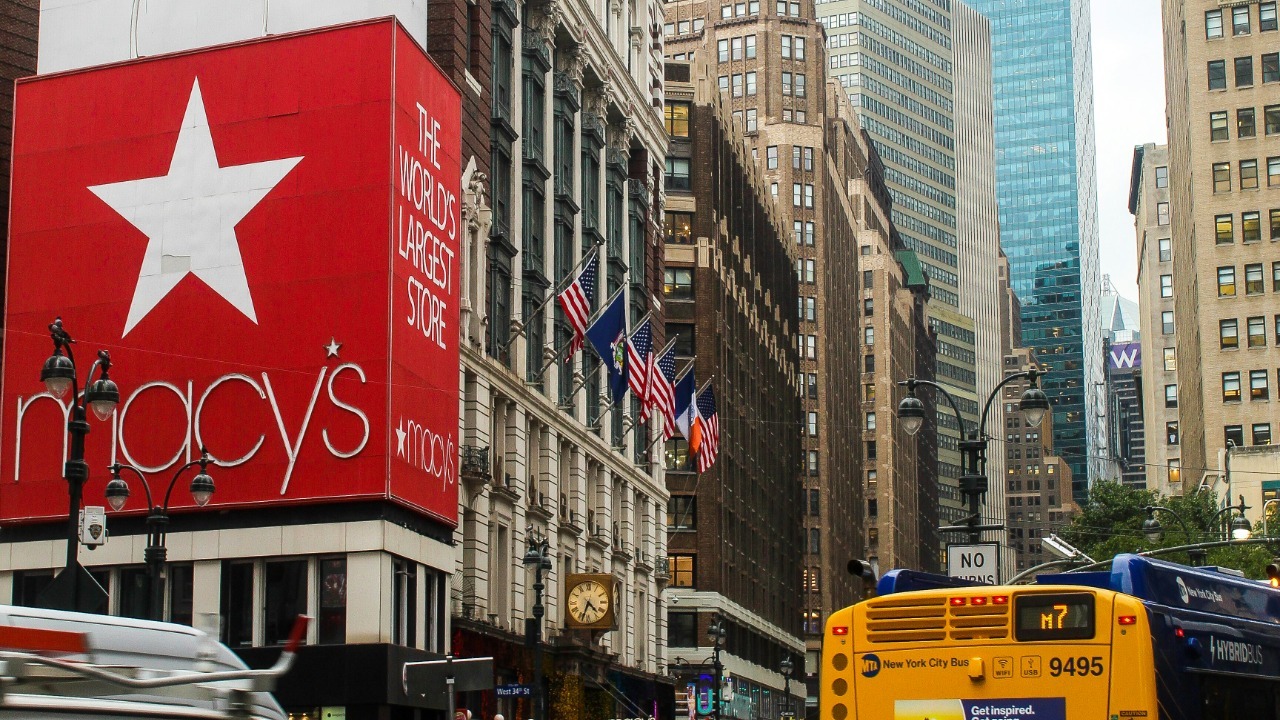
Macy’s is accelerating a major retrenchment of its brick-and-mortar footprint, with a fresh round of closures that will hit shoppers in a dozen states early this year. The latest wave includes 14 department stores, part of a broader plan to wind down underperforming locations and concentrate investment in stronger malls, outlets, and digital channels. If you rely on a local Macy’s for everything from last-minute gifts to wedding registries, this is the moment to check whether your store is on the chopping block.
Behind the headlines is a long-term restructuring strategy that will reshape how and where the retailer does business across the United States. I will walk through which states are affected, highlight specific malls that are losing anchors, and explain how these closures fit into Macy’s multiyear “Bold New Chapter” turnaround, including what it could mean for workers and nearby small businesses.
How many Macy’s stores are closing, and why now?
The current round of cuts centers on 14 Macy’s department stores spread across 12 states, a targeted but meaningful slice of the chain’s national footprint. These locations are part of a larger roadmap that calls for closing a total of 150 department stores through fiscal 2026, a figure that underscores how aggressively the company is pruning its legacy real estate. The retailer has already shuttered dozens of sites over the past year, and the new list continues that pattern by focusing on malls where traffic has eroded and sales no longer justify the square footage.
These decisions are not happening in a vacuum. Earlier in its turnaround, Macy’s laid out a “Bold New Chapter” strategy that explicitly called for closing 150 stores by the end of 2026 while reinvesting in a smaller group of higher performing locations and online operations. Company leaders have framed the closures as a way to free up capital for modernizing remaining stores, improving e-commerce, and strengthening supply chain capabilities, a rationale that has been echoed in corporate statements and investor presentations. In other words, the 14 stores going dark this year are one visible piece of a much larger reset.
Which 12 states are losing Macy’s stores?
The latest closure list stretches across the United States, touching both coastal and heartland markets. Reporting on the rollout notes that the 14 affected locations are scattered across the United States, with a particular concentration in the Northeast, where five stores are slated to close. Other regions are not spared, however, as the company trims in suburban markets where mall traffic has been slow to recover and competition from off-price and online rivals is intense.
Several states stand out because they are losing key anchors in once-dominant shopping centers. In New Jersey, for example, closures are hitting communities that have long relied on Macy’s as a mall magnet, while in other states the company is exiting secondary markets to focus on larger metro hubs. A detailed breakdown of the 12 affected states, including addresses and timing, has been compiled in a full list that shoppers can use to confirm whether their local store is on the list.
Pennsylvania, New Jersey and New York: key malls losing anchors
Some of the most closely watched closures are in the Mid-Atlantic and Northeast, where Macy’s has been a fixture in regional malls for decades. In Pennsylvania, the company is walking away from the Galleria at Pittsburgh Mills, a sprawling complex anchored by a store at 100 Pittsburgh Mills Cir in Tarentum. That location has long served as a draw for shoppers north of Pittsburgh, and its departure will leave a significant hole in the mall’s lineup at a time when many enclosed centers are already struggling to keep tenants filled.
Across the state line, New Jersey is seeing closures in communities that have historically been strong retail hubs. In Livingston, Macy’s is shutting its store at Livingston Mall, a property that has been working to reinvent itself as department store anchors retreat. Another closure is hitting Ramsey, where the chain is exiting the Interstate Shopping Center, a move that will reshape traffic patterns at the Interstate Shopping Center and force nearby retailers to adjust. New York is also on the list, with a closure in Amherst at Boulevard Mall, another sign that older enclosed centers are bearing the brunt of Macy’s retrenchment in New York.
How these closures fit into Macy’s long-term strategy
From the company’s perspective, closing 14 stores now is a step toward a leaner, more profitable network that can support investments in technology and higher margin formats. Executives have repeatedly tied the store reductions to the broader goal of modernizing operations, from digital shopping tools to back-end logistics. In corporate messaging, Macy’s has emphasized that the closures are part of a multi-year effort to sharpen its focus on top-performing locations while improving supply chain capabilities that support both stores and e-commerce.
The “Bold New Chapter” blueprint, which calls for closing 150 department stores by the end of 2026, is central to that shift. By exiting weaker malls and consolidating in stronger trade areas, Macy’s is betting it can drive more sales through a smaller but healthier fleet while leaning on digital growth to reach customers who lose a local branch. The company has also been testing smaller format concepts and off-mall locations, and the capital freed up from closures is expected to help fund those experiments as it tries to stay competitive against online-first rivals and nimble specialty chains.
What it means for shoppers, workers and local economies
For shoppers, the most immediate impact is practical: fewer places to browse in person, return online orders, or pick up last-minute gifts. Customers in communities like Tarentum, Livingston, Ramsey and Amherst will have to shift to other Macy’s locations, pivot to online ordering, or move their business to competitors. Some may still be within driving distance of another store, but others will effectively lose their only nearby full-line department store, especially in suburban or exurban areas where retail options have already thinned out. A detailed breakdown of which cities are affected, organized by state, is available in a state-by-state full list that shoppers can consult before planning big purchases.
The stakes are even higher for workers and local economies that depend on mall traffic. Each closing store employs dozens of people, from sales associates to managers and support staff, and while some may be offered transfers, others will face job losses that ripple through their communities. Nearby small businesses that rely on Macy’s to draw foot traffic, from food court vendors to independent boutiques, will also feel the strain as an anchor tenant goes dark. For those trying to understand whether their own neighborhood is affected, regional breakdowns of the 14 closures across the United States and more granular city-level details in the closure list offer the clearest guide to what is changing on the ground.
More From The Daily Overview

Grant Mercer covers market dynamics, business trends, and the economic forces driving growth across industries. His analysis connects macro movements with real-world implications for investors, entrepreneurs, and professionals. Through his work at The Daily Overview, Grant helps readers understand how markets function and where opportunities may emerge.

