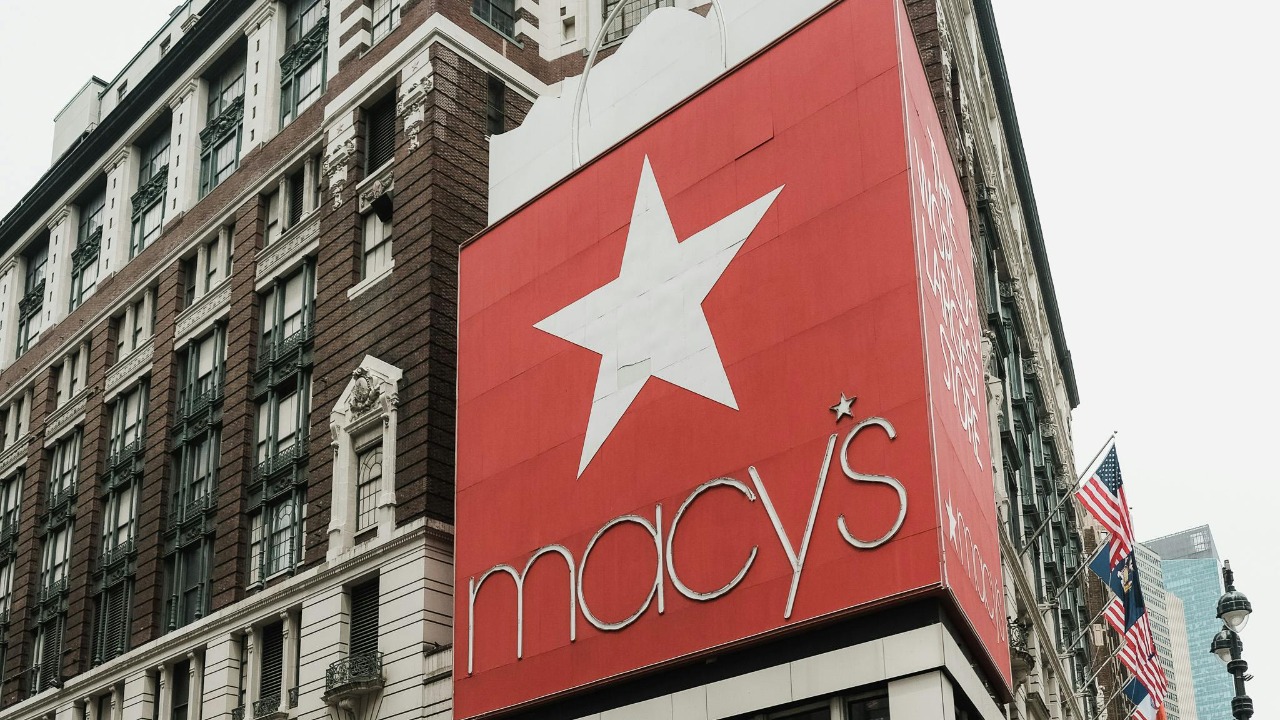
Macy’s has announced the closure of its $700 million supply chain facility in Alanson, Connecticut, as part of a strategic “modernization” plan aimed at streamlining operations. This decision will result in approximately 1,200 layoffs by the end of 2024. The facility, which opened in 2018, has been a crucial distribution hub for Macy’s, and its closure marks a significant shift in the retailer’s logistics strategy amid declining sales.
Details of the Closure Announcement
The closure of the Alanson facility was detailed in an internal memo from Macy’s executive team, including CEO Tony Spring. The memo, dated October 10, 2024, emphasized the need to consolidate supply chain operations into fewer, more efficient locations. The Alanson center, a 1.2 million-square-foot automated distribution hub, was built at a cost of $700 million and has been pivotal in fulfilling Macy’s online and store orders across the Northeast. The decision to shut it down reflects a strategic move to optimize logistics and reduce costs. For more details, refer to the Reuters report.
The impact of this closure is profound, with a Connecticut Labor Department filing confirming mass layoffs affecting 1,200 full-time employees. The filing, dated October 14, 2024, outlines severance packages that include up to 12 weeks of pay for affected workers. This move underscores the financial pressures Macy’s faces as it seeks to adapt to a rapidly changing retail environment. For more information, see the Connecticut Labor Department notice.
Context of Macy’s Modernization Plan
Macy’s “modernization” plan, initiated in early 2023 under CEO Tony Spring, involves closing underperforming stores and optimizing logistics. The closure of the Alanson facility is expected to save an estimated $150 million annually in operating costs, as discussed in Macy’s Q3 2024 earnings call. This initiative builds on previous actions, such as the 2020 closure of 125 stores during the pandemic, but now focuses on enhancing supply chain efficiency amid a 5% year-over-year sales decline reported in September 2024. For further insights, refer to Macy’s earnings call and Forbes report.
CEO Tony Spring has described the closure as a “painful but necessary step” to position Macy’s for long-term growth in a competitive retail landscape. This strategic shift aims to enhance operational efficiency and reduce costs, aligning with broader industry trends. For more on Spring’s perspective, see the Wall Street Journal article.
Impact on Employees and Local Economy
The closure of the Alanson facility will result in the loss of 1,200 jobs, representing the entire workforce of the center. Affected employees include warehouse operators, logistics specialists, and managers, as outlined in the WARN Act notice submitted to the U.S. Department of Labor. This significant workforce reduction highlights the human cost of Macy’s strategic realignment. For more details, see the U.S. Department of Labor release.
Local leaders in Alanson, Connecticut, have expressed concerns over the economic impact of the closure. Mayor Jane Doe stated that the facility’s shutdown will devastate the town’s job market and tax base, which heavily relied on the center’s contributions. The closure poses a significant challenge for the local economy, which must now adapt to the loss of a major employer. For more on the local response, refer to the Hartford Courant article.
Union representatives from the United Food and Commercial Workers (UFCW) Local 371 have vowed to negotiate enhanced benefits for the affected workers. They emphasize that the average employee tenure at the center exceeds five years, underscoring the deep ties many workers have to the facility. This advocacy highlights the ongoing efforts to support employees during this transition. For more information, visit the UFCW Local 371 website.
Broader Implications for Retail Supply Chains
The closure of Macy’s Alanson facility aligns with broader industry trends, as competitors like Walmart and Amazon have similarly consolidated facilities post-pandemic. These moves aim to reduce overhead by up to 20%, according to a Deloitte retail report from July 2024. This trend reflects a shift towards more centralized and efficient supply chain operations across the retail sector. For more insights, see the Supply Chain Dive article and the Wall Street Journal report.
Analysts predict that Macy’s move could accelerate shifts towards e-commerce, with the Alanson facility’s automation technology potentially being relocated to a central hub in Ohio. This relocation could enhance Macy’s ability to meet growing online demand while maintaining operational efficiency. For more on this analysis, refer to Bloomberg Intelligence.
From an environmental perspective, the consolidation of distribution points is expected to reduce carbon emissions by an estimated 15% for Macy’s Northeast operations. This reduction aligns with the company’s sustainability goals and reflects a broader industry trend towards more eco-friendly logistics practices. For more details, see Macy’s sustainability update.
More From TheDailyOverview
- Dave Ramsey says these two simple questions show whether you’re rich or poor
- Retired But Want To Work? Try These 18 Jobs for Seniors That Pay Weekly
- IRS raises capital gains thresholds for 2026 and what’s new
- 12 ways to make $5,000 fast that actually work

Grant Mercer covers market dynamics, business trends, and the economic forces driving growth across industries. His analysis connects macro movements with real-world implications for investors, entrepreneurs, and professionals. Through his work at The Daily Overview, Grant helps readers understand how markets function and where opportunities may emerge.

