California has just lost nearly a tenth of its in‑state fuel production as a major refinery shuts its doors for good, instantly tightening an already fragile gasoline market. The permanent closure removes about 9% of the state’s refining capacity, raising the stakes for drivers, truckers, and neighboring states that rely on California’s fuel network. I see this as a pivotal moment in the state’s energy transition, where climate ambitions, corporate strategy, and pocketbook pain are colliding in real time.
The shutdown lands as California drivers already pay significantly more at the pump than the rest of the country and as policymakers push to phase out fossil fuels. With more refinery closures on the horizon and warnings that gas prices could spike sharply by 2026, the loss of this plant is not an isolated event but part of a structural reshaping of the West Coast fuel system.
The refinery that went dark and the 9% shock
The facility that just went offline is a large California refinery whose permanent shutdown instantly erased roughly 9% of the state’s fuel production capacity. State and industry data describe it as a key supplier into the Northern California market, feeding gasoline and diesel into a network of pipelines, terminals, and retail stations that stretches from the Bay Area to the Central Valley. With that plant now closed, the state’s already tight refining system has even less slack to absorb outages, maintenance, or demand spikes, a reality underscored by the way California’s fuel market has been flagged as structurally constrained in recent California analyses.
Reporting on the closure notes that the refinery’s exit from the market “takes 9% of the state’s capacity with it,” a blunt figure that captures how concentrated California’s refining sector has become. The plant’s shutdown is part of a broader “refinery shake‑up” in the state, where aging facilities face mounting costs to comply with environmental rules and to remain profitable in a market that is gradually shifting toward cleaner fuels. The loss of this single refinery, detailed in coverage of a California oil refinery shutdown, is therefore both a discrete supply shock and a symbol of a deeper transition.
Valero, Benicia and a wave of refinery exits
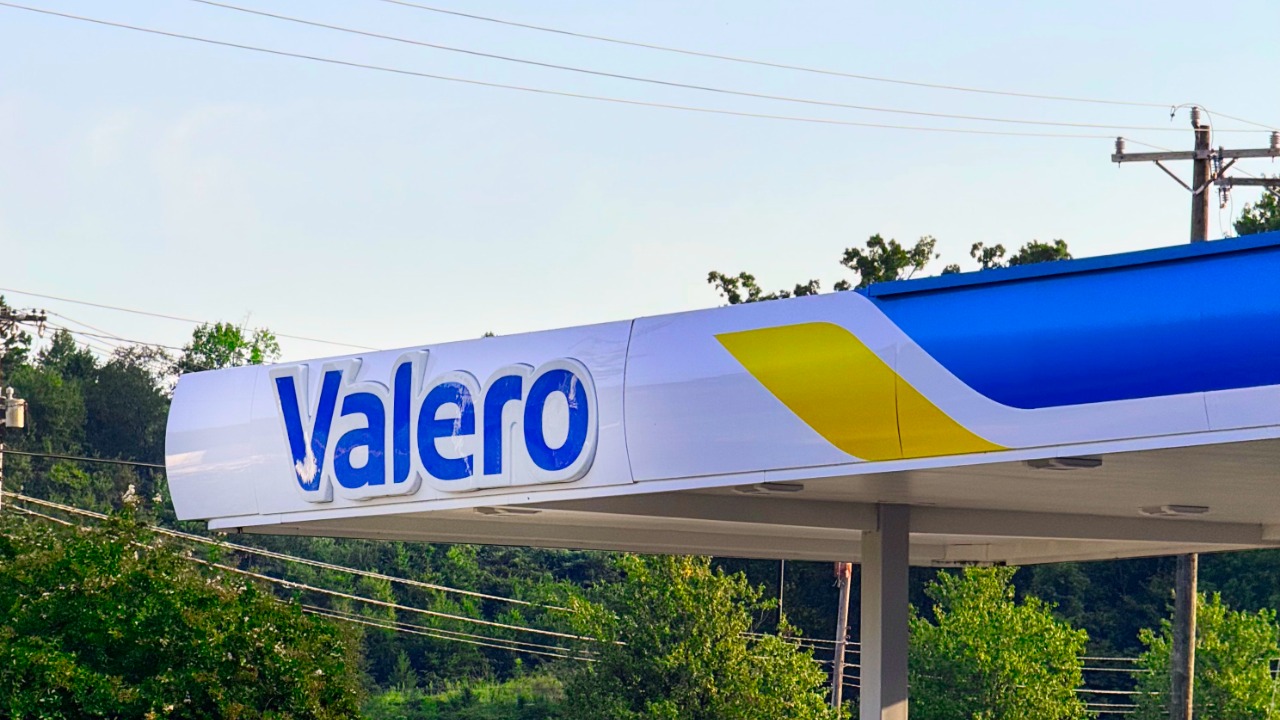
The 9% hit lands as another major player, Valero, moves ahead with plans to wind down gasoline production at its Bay Area site in Benicia. Valero, which operates the Bay Area refinery, has described the facility as a “challenged asset” in regulatory filings and told investors it would close the refinery in April because of the costs and uncertainty tied to California’s evolving fuel policies. In detailed coverage of the state’s fuel outlook, officials noted that Valero’s Bay Area plant is scheduled to cease traditional refining on April 16, 2025, a date that has become a reference point in discussions of why California could be contending with $5 gas next year, as outlined in Dec reporting.
Under an updated plan announced in Jan, Valero said it will continue producing gasoline at Benicia through April as it increases imports and prepares to idle the facility, a move that comes with hundreds of layoffs and a boost in its stock price. Coverage of that plan notes that the company is “laying off hundreds” as it shuts down its Northern California operations, with the Benicia site at the center of the restructuring, as detailed in Under the latest disclosures. In a separate policy analysis, Valero’s decision to close its facility by the end of April 2026 is cited as a key driver of higher prices and tighter supply, with Valero itself acknowledging the timeline.
Gas prices, $8 forecasts and a 75% warning
Even before the latest shutdown, California drivers were paying a steep premium at the pump, and the loss of 9% of in‑state capacity only sharpens the risk of price spikes. Analysts have warned that California gas prices may surge 75% by 2026 following the closure of two major refineries, a scenario that would push average prices far above current levels. One detailed forecast from FRESNO, Calif, for example, projects that California gas prices may surge 75% by 2026 as refineries close and as the state’s clean‑fuel mandates tighten, potentially affecting close to 3,000 jobs statewide.
Other projections are even more stark, suggesting California could face $8.43 per gallon gas as refineries close and supply tightens. One analysis notes that the national average for regular gas is $3.158 per gallon, California is $4.783 per gallon, and Texas is $2.761 per gallon, underscoring how far above the national norm the state already sits. Those figures, $3.158, $4.783 and $2.761, are used to illustrate the gap between California and lower cost markets like Texas, and they feed into warnings that the state could see an increase of 75% in pump prices if refinery capacity continues to fall, as laid out in a detailed California fuel market assessment.
Jobs lost, communities rattled and political fallout
The refinery closures are not just about prices and capacity, they are also about livelihoods and local economies. In Benicia, 400 people just found out their jobs end in April, a figure that has become a rallying point for critics of the shutdown and for local leaders demanding more support. That number, 400 people, was highlighted in a widely shared video explaining how workers learned of the decision on January 8th when Valero finally announced that the Beni refinery would close, as recounted in a Jan commentary. The human cost extends beyond direct employees to contractors, small businesses, and city budgets that depend on refinery tax revenue.
California’s political leadership has been pulled directly into the fight. In one video, the Governor is described as finally addressing the gas crisis in Jan, noting that California drivers already pay roughly 40% more for gasoline than the rest of the country and citing statewide averages as of December 2025, a moment captured in a clip labeled As of December. In another, the Governor is shown calling out the Valero CEO after layoffs and a corporate letter to the city, with the narration emphasizing that “On January 15th 2026 Valero Energy sent a letter to the city” explaining its decision, as described in a pointed On January video. Those exchanges reflect a broader tension between state officials who argue that refinery owners are prioritizing profits and companies that say California’s policies have made their operations unsustainable.
Regional ripple effects and the scramble for replacement fuel
The closure of a California refinery does not stop at the state line, it ripples across the West Coast fuel system. The recent closure of a California oil refinery, and plans to shutter another in the near future, have some experts warning of price impacts for Nevada, where officials are now treating California’s refinery shake‑up as a direct threat to their own fuel security. In Jan, Tuesday Nevada’s Fuel Resiliency Committee held its first meeting to examine how refinery closures and supply constraints could affect every citizen of Nevada, a concern detailed in coverage of the Jan meeting. That committee’s work underscores how dependent inland states are on California’s coastal refineries and ports.
Refiners and state officials are already sketching out how to backfill the lost barrels. Newsom and Valero both said the Benicia Refinery will produce gasoline through April 2026, after which the refinery will idle completely and Valero will begin importing gasoline into Northern California to help cover the shortfall. That plan, described in detail in a report on Newsom and Valero, highlights a shift from local refining to greater reliance on marine imports. Industry analysts warn that this pivot will expose California and the broader West Coast to global shipping disruptions and price swings, a concern echoed in a broader look at how closing oil refineries in California will impact prices and supply chain reliability across the West Coast.
More From TheDailyOverview
*This article was researched with the help of AI, with human editors creating the final content.

Grant Mercer covers market dynamics, business trends, and the economic forces driving growth across industries. His analysis connects macro movements with real-world implications for investors, entrepreneurs, and professionals. Through his work at The Daily Overview, Grant helps readers understand how markets function and where opportunities may emerge.