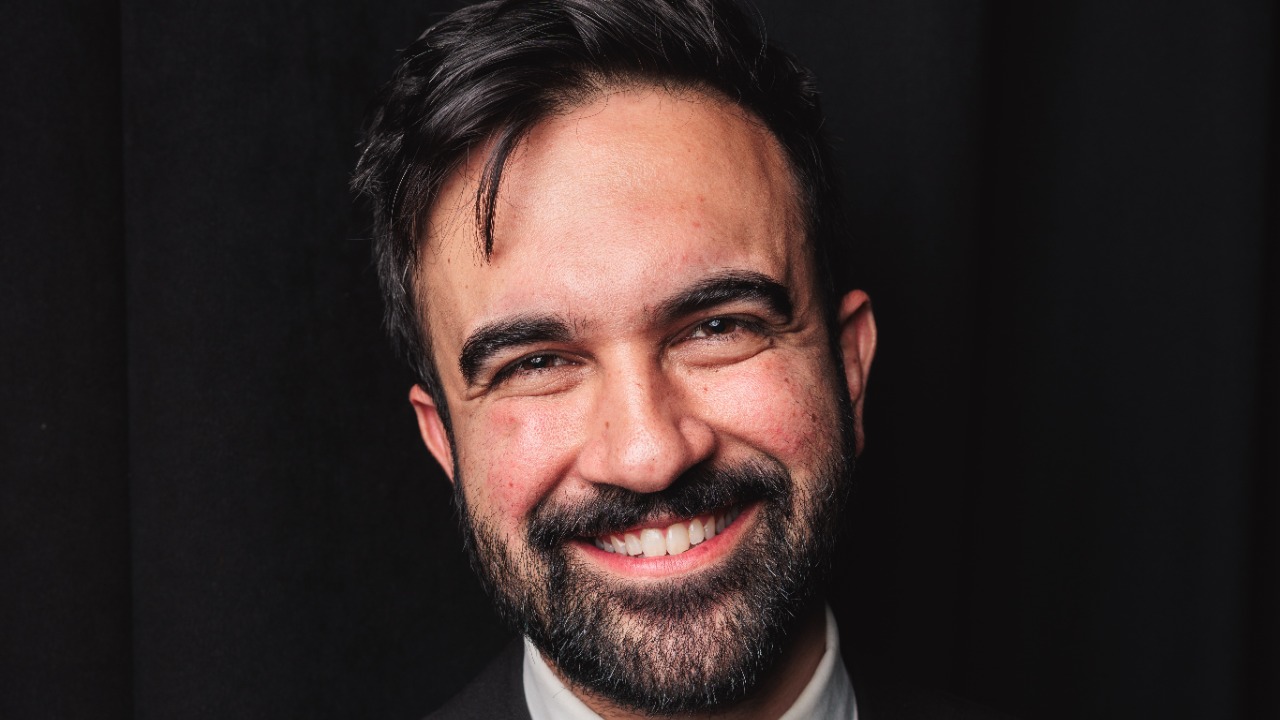
New York City Mayor Zohran Mamdani, who campaigned on a pledge to give libraries up to 0.5% of the city’s budget, is now proposing roughly $30 million in cuts to the city’s three public library systems as part of his Fiscal Year 2027 preliminary spending plan. The proposed reductions come less than a year after the City Council restored tens of millions in library funding and expanded seven-day service, setting up a sharp contradiction between the mayor’s rhetoric and his first budget blueprint. The reversal is drawing pointed criticism because Mamdani previously called similar reductions under former Mayor Eric Adams “cruel,” a characterization that featured prominently in coverage of his campaign and early tenure.
The new plan would affect all three systems, the New York Public Library, the Brooklyn Public Library, and the Queens Public Library, and would roll back gains that advocates saw as a turning point in the city’s long-running budget tug-of-war over cultural and educational services. According to detailed tabulations of the proposal, the approximately $30 million reduction is framed by City Hall as a necessary contribution to closing a broader fiscal gap, even as critics argue it undercuts institutions that are central to neighborhood life. The absence of a clear, public breakdown of how the reductions would be distributed among the three systems has only intensified concerns that the cuts are being driven more by political calculus than by careful analysis of community impact.
A Campaign Promise Meets a $5.4 Billion Gap
On the campaign trail, Mamdani vowed to dedicate up to 0.5% of the city’s budget to libraries, a commitment that helped him build support among progressive voters and library advocates who saw the pledge as a structural answer to the annual ritual of proposed cuts and partial restorations. That promise now collides with fiscal reality: the administration’s preliminary budget totals $127 billion and confronts a $5.4 billion shortfall, forcing reductions across multiple agencies and programs. In public remarks, the mayor has described the situation as a choice between “two paths,” one involving broad-based belt-tightening and the other leaning more heavily on tax increases, but the inclusion of library cuts suggests that cultural institutions are being asked to shoulder a notable share of the burden.
The political stakes are heightened by Mamdani’s own history of attacking his predecessor’s approach. During the Adams years, he joined protests and issued statements blasting proposed library reductions as an attack on working-class New Yorkers, language that is now being quoted back at him in stories that highlight his apparent about-face. One widely circulated account of his reversal notes that he once singled out branch closures and reduced hours as emblematic of misplaced priorities at City Hall. That history makes it harder for the administration to frame the current cuts as a reluctant but unavoidable response to macroeconomic pressures, rather than a choice that contradicts core campaign themes.
What the Council Built, the Mayor Would Undo
The proposed cuts are especially striking given what happened during the last budget cycle. When the City Council adopted the FY2026 plan last June, lawmakers touted explicit operating support for the three systems, restoration of threatened funds, and resources to expand seven-day service in neighborhoods that had long requested weekend hours. That agreement was framed as a culmination of years of advocacy by library leaders, unions, and community groups, and as a signal that the city was moving away from using libraries as a recurring target for gap-closing exercises. Council negotiators also pointed to earlier hearings where they had pressed the prior administration on why essential literacy and technology access points were repeatedly put on the chopping block.
The pattern under Adams was familiar: the mayor’s office would propose reductions, library leaders and council members would mobilize, and funding would be partially or fully restored in the final deal. In 2024, for example, the FY2025 budget included a full restoration of $58.3 million in library support, which the council heralded as establishing a new baseline for the systems. Mamdani’s preliminary plan risks repeating that same cycle, but with the added sting that this mayor explicitly promised to break it by enshrining a steady share of the budget for libraries. If the council is again forced into a defensive posture to protect branches and hours, relations between the legislative and executive branches could fray early in his term.
Libraries Warn of Reduced Hours and Delayed Reopenings
The city’s library systems have not stayed quiet. The New York Public Library, Brooklyn Public Library, and Queens Public Library have jointly warned that cuts of this scale could force a return to five-day service, eliminate the seven-day access that was only recently funded, and delay planned branch reopenings in communities that have already endured long closures for repairs. In a previously issued statement responding to an earlier round of proposed reductions, the systems emphasized that branches serve as de facto community centers, providing internet access, after-school programming, English-language classes, and job-search assistance. Library leaders argue that even smaller cuts compound over time, eroding services that took years of advocacy and investment to build back.
The tension between the numbers at play underscores how fragile that progress is. The $58.3 million figure cited in earlier advocacy reflected a broader set of proposed cuts under Adams-era budgets, while the current $30 million proposal appears to represent a fresh round of operating reductions layered on top of whatever baseline the council secured last year. Reporting on Mamdani’s preliminary plan in coverage of the budget shortfall suggests that library officials fear a domino effect: fewer staff positions, shorter hours, and postponed capital projects that would modernize aging facilities. That prospect is particularly troubling in lower-income neighborhoods, where branches often function as the only free, reliable space for students and seniors to gather, study, and access city services.
Fiscal Pressures and the Credibility Cost
Mamdani’s defenders may argue that a $5.4 billion gap leaves little room for sacred cows and that every agency must contribute to closing the shortfall. New York State Comptroller Thomas DiNapoli, in a recent statement on the preliminary plan, flagged risk assumptions in the city’s projections and pointed to ongoing discussion about a possible property tax increase, signaling that the fiscal outlook carries real uncertainty. The city’s own fiscal watchdogs have also been cautious: the NYC Comptroller’s office, in its assessment of the FY2026 budget, identified structural risks and one-time resources that would reverberate into future years, setting the stage for the tough choices now surfacing in the FY2027 debate.
But the political cost of this reversal may outweigh the relatively modest savings. Mamdani built his brand on opposing exactly the kind of austerity he is now proposing, making libraries a symbol of what he said a progressive city should protect even in lean times. Calling Adams-era library cuts cruel and then backing a $30 million reduction to the same systems invites charges of hypocrisy from opponents and disappointment from former allies, especially as stories highlight his past remarks and the specific communities that stand to lose weekend hours. As one profile of the backlash notes, the optics of a mayor who once rallied outside branches now presiding over new cuts could linger long after the fiscal gap is closed.
That credibility question will hang over the coming months of negotiation at City Hall. If the council again steps in to restore library funding, Mamdani may be spared some of the immediate service impacts but not the perception that he used libraries as a bargaining chip despite earlier promises. If, instead, the cuts stick, he will own the consequences in neighborhoods where residents notice shuttered doors on Sundays and fewer programs for children and immigrants. Either way, the episode illustrates how quickly bold campaign pledges can collide with the realities of governing, and how decisions about seemingly small slices of a $127 billion budget can reshape a mayor’s relationship with the communities that helped elect him.
More From The Daily Overview
*This article was researched with the help of AI, with human editors creating the final content.

Grant Mercer covers market dynamics, business trends, and the economic forces driving growth across industries. His analysis connects macro movements with real-world implications for investors, entrepreneurs, and professionals. Through his work at The Daily Overview, Grant helps readers understand how markets function and where opportunities may emerge.

