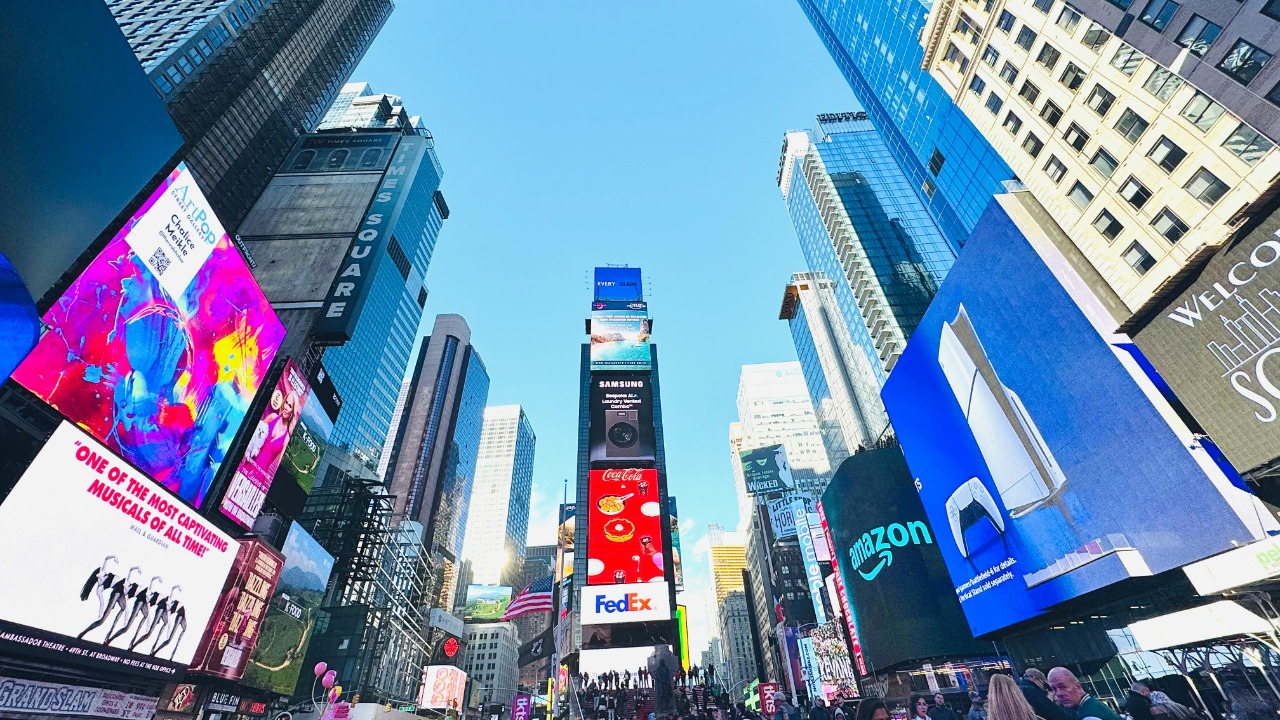
Over the past decade, Manhattan’s condo market has quietly broken one of real estate’s basic promises: that ownership values and rents tend to move in the same direction. Purchase prices for many apartments have slipped or stagnated even as tenants have faced record-setting lease renewals and bidding wars. The result is a city where owning a condo has often delivered weaker returns than expected, while renting the same space has grown steadily more expensive.
That divergence is not a quirk of a single building or a brief downturn. It reflects a structural shift in how new luxury supply, investor behavior, mortgage costs, and post‑pandemic demand have reshaped Manhattan housing. To understand why condo values sagged while rents climbed, I need to trace how the sales market became saturated at the top, how the rental market tightened from below, and how policy and financing choices amplified the gap between the two.
Manhattan condo prices slipped while rents marched higher
The core puzzle starts with the simple fact that many Manhattan condos are worth less today than they were a decade ago, even as the cost of renting those same units has climbed. Over the long expansion that followed the financial crisis, developers flooded the borough with high‑end product, and by the late 2010s the pipeline of new luxury towers outstripped the pool of buyers willing to pay peak prices. That oversupply pushed resale values down or left them flat, particularly in buildings that launched near the top of the cycle, while landlords were still able to raise rents as more households chose or were forced to remain tenants rather than owners. Reporting on the condo resale market shows that units purchased in the mid‑2010s often resold at discounts years later, even as median asking rents in Manhattan hit new highs, a pattern documented in detailed condo and rent data.
At the same time, the rental side of the ledger was shaped by a different set of forces that kept demand strong despite the softness in sales. Job growth in finance, tech, and professional services continued to pull high‑earning workers into the city, but many of them balked at buying into a market they perceived as overpriced or volatile. Instead, they signed leases in the very buildings where resale prices were under pressure, helping landlords steadily raise rents even as owners struggled to recoup their purchase costs. Analysts tracking the Manhattan market have highlighted this split, noting that the same one‑bedroom that might sell for less than its 2015 price could still command a higher monthly rent than at any point in the last decade, a dynamic that shows up clearly in the long‑term rent and value series.
Luxury oversupply and investor expectations reshaped the sales market
The imbalance began at the top of the market, where developers spent much of the 2010s racing to build glassy towers aimed at global investors and ultra‑wealthy buyers. Those projects were underwritten on the assumption that international demand would keep absorbing $3 million, $5 million, and $10 million apartments at ever‑rising prices. Instead, the pool of buyers narrowed, foreign capital flows slowed, and a growing share of those units ended up in the hands of investors who were more sensitive to carrying costs and resale risk. As inventories swelled, price cuts became common, and some high‑profile buildings saw units trade below their original sponsor prices, a trend chronicled in analyses of luxury oversupply.
Those investor‑owned condos then fed directly into the rental market. Owners who could not achieve their target sale price often chose to rent out their apartments instead, turning for‑sale inventory into high‑end rental stock. That shift helped keep vacancy rates low in desirable neighborhoods, but it also meant that the same oversupply that weighed on sale prices did not translate into cheaper rents. Instead, investors focused on covering common charges, taxes, and mortgage payments, which encouraged them to push for higher rents whenever leases turned over. Detailed reporting on investor behavior in new developments shows how carrying costs and expectations of eventual appreciation led many owners to prioritize rental income over quick sales, reinforcing the pattern documented in the broader condo‑to‑rental shift.
Rising mortgage rates and tighter financing kept would‑be buyers renting
The financing environment magnified the split between condo values and rents. For much of the 2010s, low mortgage rates helped support high sale prices, even as incomes lagged. When borrowing costs climbed sharply, the math for buying a Manhattan condo became far less attractive for many households. Monthly payments on a typical purchase jumped, and lenders grew more cautious about underwriting loans in buildings with high investor concentrations or large numbers of unsold units. That combination made it harder for first‑time buyers and move‑up households to justify a purchase, even when sellers were willing to negotiate on price, a shift that shows up in analyses of mortgage‑rate impacts on the condo market.
Those same financing hurdles pushed more people into the rental pool, which tightened conditions for tenants and helped landlords keep raising rents. Households that might once have stretched to buy a starter condo instead renewed leases or upgraded to larger rentals, accepting higher monthly costs in exchange for flexibility and lower upfront cash. At the upper end, some affluent buyers delayed purchases while they waited for prices to fall further or for interest rates to stabilize, but they still needed a place to live in the meantime. That incremental demand, layered on top of steady inflows of new workers, helped sustain rent growth even as the for‑sale market cooled, a pattern reflected in the parallel tracking of rent‑versus‑buy calculations across the borough.
Pandemic shocks, remote work, and the uneven recovery
The pandemic years added another twist, briefly knocking both rents and condo prices lower before they diverged again. In the early months of the crisis, many renters left the city, vacancies spiked, and landlords offered steep concessions to fill units. Condo sellers also faced a thinner pool of buyers, but the impact was uneven: some buildings with strong amenities and outdoor space held their value better, while others saw sharper discounts. As vaccines rolled out and offices began to reopen, demand for rentals snapped back faster than the appetite for purchases, particularly among younger workers and newcomers who preferred flexibility in an uncertain job market. That rebound is visible in the rapid recovery of post‑pandemic rents compared with the slower climb in condo resale prices.
Remote and hybrid work also reshaped what buyers and renters wanted from Manhattan housing, and those preferences did not always favor existing condo stock. Some households who could work from anywhere chose larger homes in outer boroughs or suburbs, reducing demand for smaller, centrally located condos that had once commanded a premium. Others treated Manhattan as a pied‑à‑terre market, renting part‑time rather than committing to ownership. At the same time, the return of nightlife, dining, and cultural life pulled many renters back into the core, even if they were only in the office a few days a week. That mix of lifestyle choices helped rents in popular neighborhoods climb back to and then exceed pre‑pandemic levels, while condo prices in less adaptable buildings lagged, a divergence traced in detailed remote‑work housing data.
Policy, taxes, and the future of owning versus renting in Manhattan
Policy choices and tax structures have also played a quiet but important role in the gap between condo values and rents. Changes to federal deductions for state and local taxes reduced the appeal of high‑tax homeownership for some buyers, particularly those at the upper end of the market who had previously relied on those write‑offs. Local debates over property tax reform, pied‑à‑terre levies, and rent regulation added another layer of uncertainty, making some investors more cautious about long‑term ownership even as they continued to seek short‑term rental income. Analyses of Manhattan’s tax regime show how these shifts altered the after‑tax returns on condo investments, contributing to the weaker price performance documented in tax‑focused housing studies.
Looking ahead, the question is whether the past decade’s pattern of soft condo values and rising rents will persist or begin to converge. On one side, a slower pipeline of new luxury projects and gradual absorption of existing inventory could eventually firm up prices, especially in buildings that align with post‑pandemic preferences for space, light, and amenities. On the other, continued high borrowing costs, evolving work patterns, and policy uncertainty may keep many households in the rental market longer, sustaining pressure on lease rates even if sale prices remain subdued. For now, the data suggest that Manhattan has entered a phase where owning a condo is no longer a guaranteed path to outsize gains, while renting in the same neighborhoods has become steadily more expensive, a reality captured across the decade‑long trend comparisons that underpin this analysis.
More From TheDailyOverview
- Dave Ramsey warns to stop 401(k) contributions
- 11 night jobs you can do from home (not exciting but steady)
- Small U.S. cities ready to boom next
- 19 things boomers should never sell no matter what

Elias Broderick specializes in residential and commercial real estate, with a focus on market cycles, property fundamentals, and investment strategy. His writing translates complex housing and development trends into clear insights for both new and experienced investors. At The Daily Overview, Elias explores how real estate fits into long-term wealth planning.

