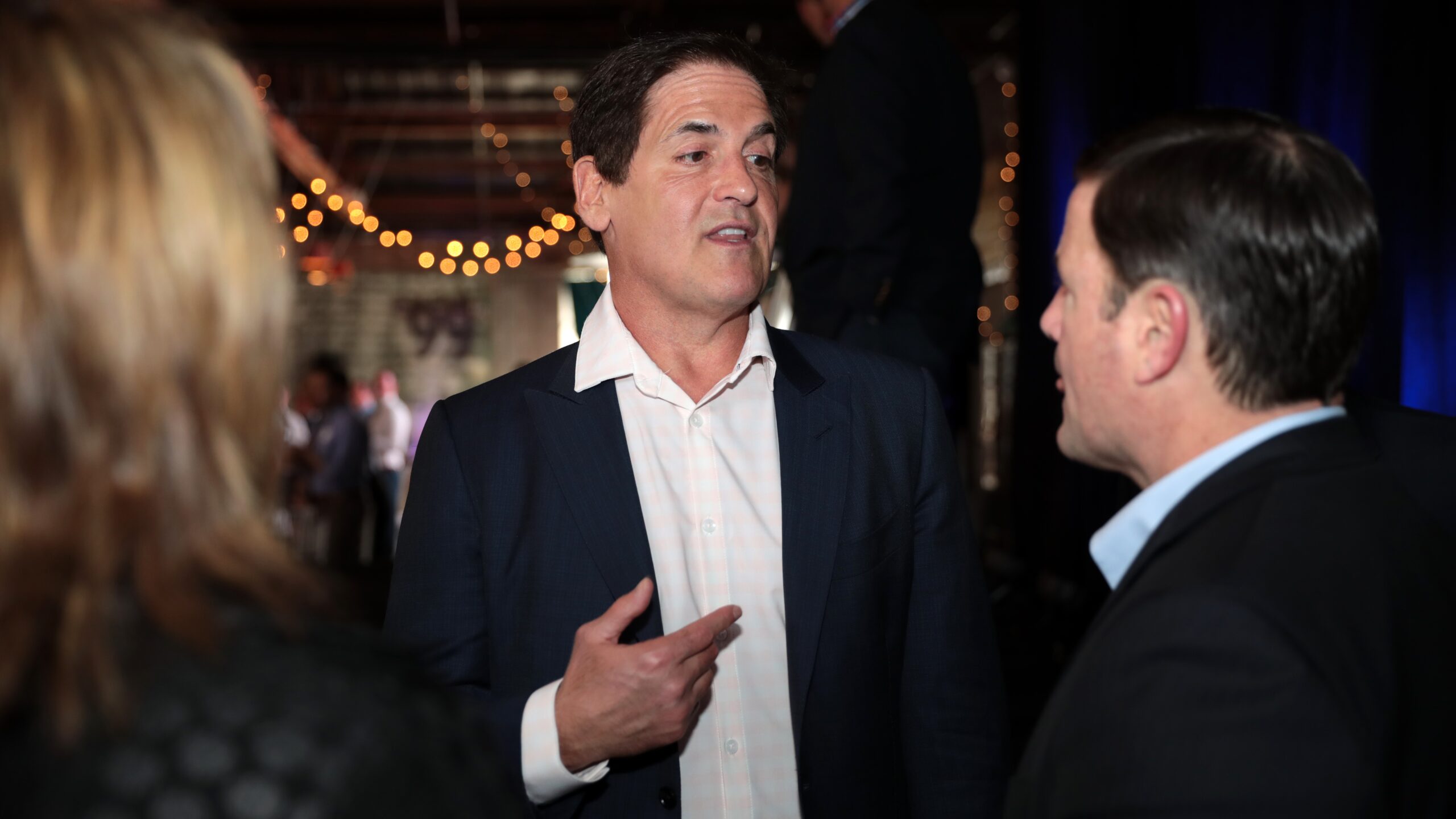
Billionaire entrepreneur Mark Cuban recently drew attention to what he called a hidden trap in Social Security, warning that the agency’s rapid shift away from paper checks and phone services could leave millions of seniors stranded. With the Social Security Administration pushing beneficiaries toward electronic payments ahead of a September 30, 2025 deadline, retirees who lack bank accounts or reliable internet access face a real risk of delayed or disrupted benefits. The warning comes as the SSA simultaneously restricts phone-based transactions and requires appointments at field offices, creating a convergence of access barriers that hits the most vulnerable recipients hardest.
Paper Checks Are Disappearing, and the Clock Is Ticking
The federal government is phasing out paper checks for Social Security and other benefit payments, a move that officials say will cut costs and reduce fraud. According to recent SSA guidance published in September 2025, paper checks will be discontinued in most cases after September 30, 2025, with limited exceptions. Beneficiaries who still receive mailed checks are being directed to enroll in direct deposit through a my Social Security online account, the Direct Express prepaid debit card, or by calling the agency directly. The SSA has also noted that a Treasury waiver process exists for those who cannot switch, and checks can continue for recipients who have no other way to receive payments, but the waiver is framed as a narrow exception rather than a default option.
That safety valve, however, is not well publicized, and even the basic timeline is contested. A formal Federal Register notice from August 2025 describes the transition to electronic payments beginning that same month, while the SSA blog places the practical cutoff at the end of September. Whether the operative deadline lands in August or September, the result is the same: seniors who do not act risk having their payment method disrupted at a moment when the agency’s own service channels are under strain. The unbanked and those without broadband are most exposed, as Associated Press reporting has noted, because they depend on the very paper checks being eliminated and often lack easy alternatives such as online banking or mobile apps.
Phone and Office Access Squeezed at the Same Time
The paper-check phaseout would be far less risky if seniors could easily call the SSA or walk into a field office to set up electronic payments. Instead, the agency has been moving in the opposite direction. Earlier this year, the SSA proposed and enacted limits on what could be done over the phone, particularly for changing direct-deposit information. The agency attributed a significant share of deposit fraud to phone-based changes, according to reporting by the Washington Post, and argued that tighter controls were needed to protect beneficiaries from identity theft. While the SSA later clarified that many routine services remain available by phone, the new rules created a gap for people who had long relied on a simple call to update their bank details or fix a payment problem.
In-person visits have also become more complicated. Starting January 6, 2025, the SSA began requiring appointments at field offices, steering visitors toward online services and automated phone options as the first point of contact. The agency has stated that it will not turn away vulnerable populations who show up without an appointment, emphasizing that people in crisis or with urgent needs should still be helped. But that assurance runs into a practical wall: separate reporting has documented long phone delays, website crashes, and chronic staffing shortages across SSA operations, all of which make it harder for beneficiaries to schedule those appointments in the first place. For many seniors, the system now tells them to go online or call ahead, then struggles to serve them when they try.
Field Offices Are Not Closing, but Service Is Shrinking
Amid growing public concern about Social Security retrenchment, the agency has pushed back on claims that it is shutting down local offices. Since January 1, 2025, the SSA has not permanently closed or announced the permanent closure of any local field office, according to an official blog post intended to correct the record. The agency did acknowledge temporary closures and confirmed it closed one hearing office in White Plains, New York, while also noting that some hearing rooms are underused and may be consolidated. Officials argue that keeping the existing network of storefronts open, even with some reconfiguration, demonstrates a commitment to in-person service.
The distinction between “not permanently closed” and “fully operational,” however, is crucial for beneficiaries. A field office that is technically open but understaffed, or that requires an appointment seniors cannot book because phone lines are jammed, offers limited real-world access. Washington Post coverage has described operational failures including multi-hour call waits and intermittent website outages that function as de facto barriers even when doors remain unlocked. For a retiree in a rural area without broadband, or for someone with mobility issues who cannot easily make repeated trips, the practical effect of degraded service can be nearly identical to an outright closure, reinforcing Cuban’s concern that the system is becoming harder to navigate just as reliance on electronic tools intensifies.
What Cuban’s Warning Actually Means for Seniors
Cuban’s characterization of the situation as a “trap” captures how multiple policy shifts, each defensible on its own terms, can combine to create a system that is significantly harder for certain populations to use. Phasing out paper checks reduces mailing costs and limits check-theft fraud, while encouraging faster, more traceable payments. Restricting phone-based deposit changes addresses a real vulnerability in identity verification, as scammers have exploited weak authentication to redirect benefits. Requiring appointments can, in theory, improve office efficiency and reduce overcrowded waiting rooms. But stacked together, these changes implicitly assume that every beneficiary has a bank account, a working internet connection, and the digital literacy to manage an online portal, all at the very moment when in-person and phone-based options are being narrowed.
For many seniors, that is a high bar. Older adults are more likely to be unbanked or “underbanked,” to live in areas with limited broadband, or to have disabilities that make navigating websites and phone trees difficult. Homebound beneficiaries may depend on caregivers who are not authorized to manage their accounts, while some immigrants and low-income retirees may be wary of traditional banks or lack the identification needed to open accounts quickly. Cuban’s warning underscores that when the default option becomes digital self-service, anyone who falls outside that norm is pushed into a bureaucratic maze where a missed deadline or misdirected notice can mean a month or more without income.
Policy Fixes and Practical Steps Before the Deadline
The federal government has rolled out several initiatives intended to smooth the transition, though their reach and visibility remain uneven. The Treasury-backed GoDirect program is designed to help recipients switch from paper checks to electronic payments, offering guidance on setting up direct deposit or enrolling in the Direct Express prepaid card. In parallel, the Federal Deposit Insurance Corporation promotes its Get Banked resources to connect unbanked Americans with low-cost checking accounts that meet basic needs without high fees or overdraft risks. On the policy side, a White House initiative outlined in a March 2025 presidential action frames the shift to electronic payments as part of a broader effort to modernize how money moves to and from Americans’ bank accounts, emphasizing efficiency and security but also calling for attention to inclusion.
Those efforts point toward a path that could defuse much of the risk Cuban highlights, but only if they are paired with aggressive outreach and realistic accommodations. In the short term, advocates argue that the SSA and Treasury should more clearly publicize the waiver process for those who truly cannot go electronic, while simplifying forms and allowing trusted third parties to help seniors apply. Community organizations, legal-aid clinics, and financial counselors can play a crucial role by helping beneficiaries open safe, low-fee accounts, enroll in direct deposit, and test their access to my Social Security before the deadline. At the same time, policymakers could revisit the strictest limits on phone-based services, for example by allowing deposit changes by phone when callers pass stronger identity checks, and by ensuring that field offices have enough staff to handle walk-ins from people who are effectively locked out of digital channels. Without those adjustments, the modernization push risks confirming Cuban’s fear: that a well-intended upgrade to the payment system becomes a costly trap for the very people Social Security is meant to protect.
More From The Daily Overview
*This article was researched with the help of AI, with human editors creating the final content.

Nathaniel Cross focuses on retirement planning, employer benefits, and long-term income security. His writing covers pensions, social programs, investment vehicles, and strategies designed to protect financial independence later in life. At The Daily Overview, Nathaniel provides practical insight to help readers plan with confidence and foresight.

