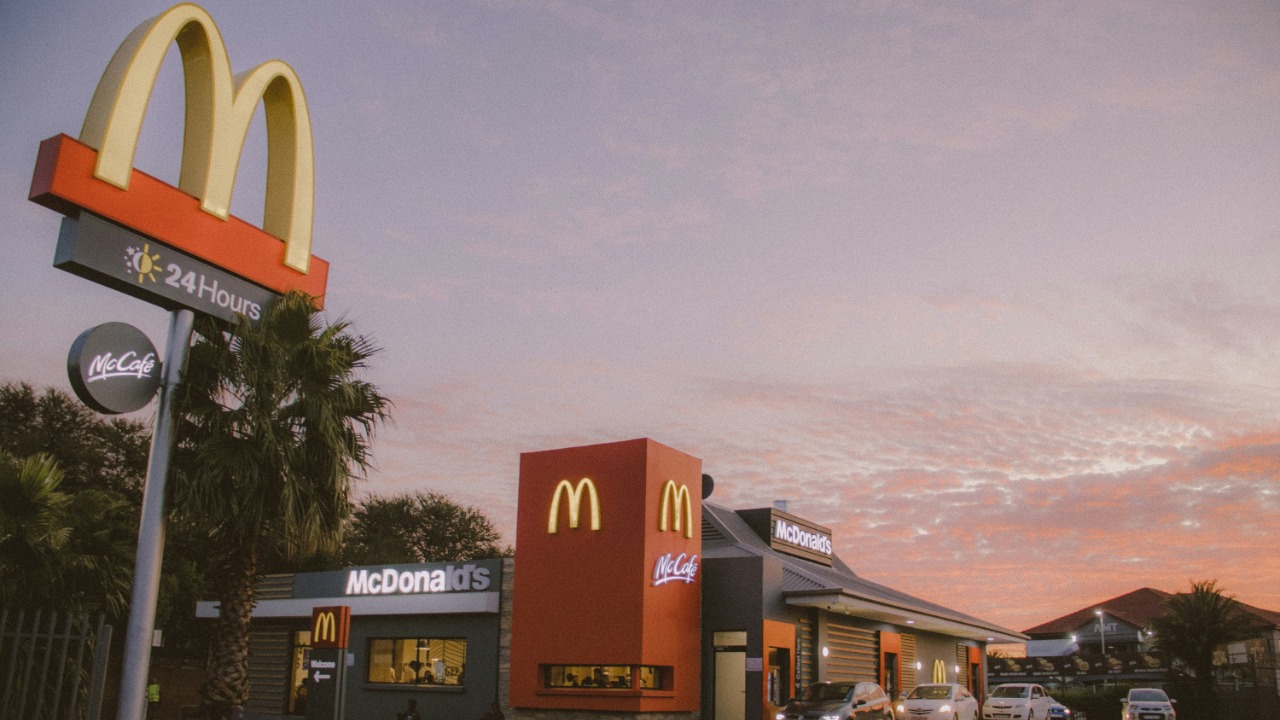
In a strategic move to address the evolving landscape of consumer spending, McDonald’s U.S. leadership is doubling down on “value and affordability.” This renewed focus is a response to the growing divide in consumer spending habits, where lower-income consumers are cutting back on dining out, while higher-income groups continue to frequent fast-food outlets. This shift was underscored in a recent memo to franchisees, emphasizing the need to attract price-sensitive customers back to McDonald’s.
McDonald’s U.S. Boss’s Strategic Memo
The memo from McDonald’s U.S. boss underscores a pivotal shift in strategy, prioritizing “value and affordability” as the cornerstone of the brand’s efforts to regain momentum in the domestic market. The directive to franchisees is clear: implement affordable menu options and promotions to entice budget-conscious diners. This approach is not just about maintaining market share but also about reversing a trend where U.S. same-store sales growth is lagging behind global figures. The timing of this memo is crucial, as it aligns with recent sales data indicating a need for a strategic pivot to address these disparities.
By focusing on affordability, McDonald’s aims to counteract the impact of inflation on lower-income households, who are increasingly opting out of dining experiences. The memo’s emphasis on value is a direct response to these economic pressures, urging franchisees to innovate with cost-effective menu items that can draw back customers who have become more selective with their spending. This strategy is not only about short-term gains but also about setting a foundation for sustained growth in a challenging economic environment.
Splitting Patterns in Consumer Spending
The current economic climate has led to a noticeable split in consumer spending patterns. Lower-income households are feeling the pinch of inflation, leading to a reduction in their fast-food visits. This demographic shift is significant for McDonald’s, as it traditionally relies on a broad customer base that includes many price-sensitive consumers. On the other hand, higher-income consumers continue to frequent McDonald’s, maintaining or even increasing their visits, which highlights a polarized market dynamic.
This spending split is reflective of broader economic trends, such as wage stagnation for entry-level workers contrasted with income gains for more affluent groups. These disparities are not just affecting McDonald’s but are indicative of a wider economic divide that is influencing consumer behavior across various sectors. For McDonald’s, understanding and adapting to these patterns is crucial for maintaining its competitive edge and ensuring that it remains a go-to option for all income levels.
Impact on McDonald’s U.S. Operations
In response to the memo’s focus on value, McDonald’s U.S. operations are undergoing adjustments in menu pricing and the introduction of bundle deals. These changes are designed to align with the brand’s commitment to affordability, aiming to attract customers who might otherwise turn to competitors like Wendy’s and Taco Bell. Franchisees are actively exploring localized value meals to cater to specific market needs, ensuring that McDonald’s remains competitive in a crowded fast-food landscape.
The reaction from franchisees has been largely positive, with many seeing the value-focused strategy as a necessary step to counteract declining sales. The latest quarterly earnings report highlighted a 1.1% decline in U.S. sales, underscoring the urgency of addressing the consumer spending divide. By tailoring offerings to meet the needs of price-sensitive customers, McDonald’s is positioning itself to better navigate the challenges posed by a shifting economic environment.
Broader Implications for Fast-Food Industry
McDonald’s strategic shift towards value and affordability is likely to have ripple effects across the fast-food industry. As the company ramps up its value promotions, other chains are expected to follow suit, intensifying competition in an already crowded market. This trend highlights the broader challenges facing the industry, particularly in maintaining affordability without sacrificing profit margins in a high-inflation environment.
Experts suggest that while the focus on value is a necessary response to current economic conditions, it also presents long-term challenges. Sustaining affordability while ensuring profitability requires careful balancing, especially as inflationary pressures continue to impact costs. The success of McDonald’s strategy will depend on its ability to innovate and adapt to changing consumer preferences, setting a precedent for the industry as a whole.
The stakes are high for McDonald’s as it seeks to reverse U.S.-specific traffic losses. The company’s ability to effectively implement its value and affordability strategy will be closely watched by industry analysts and competitors alike. As McDonald’s navigates these challenges, its approach could serve as a blueprint for other fast-food chains facing similar pressures, ultimately shaping the future of the industry.
For more details on McDonald’s strategic memo and its implications, visit CNBC.
More From TheDailyOverview
- Dave Ramsey warns to stop 401(k) contributions
- 11 night jobs you can do from home (not exciting but steady)
- Small U.S. cities ready to boom next
- 19 things boomers should never sell no matter what

Grant Mercer covers market dynamics, business trends, and the economic forces driving growth across industries. His analysis connects macro movements with real-world implications for investors, entrepreneurs, and professionals. Through his work at The Daily Overview, Grant helps readers understand how markets function and where opportunities may emerge.

