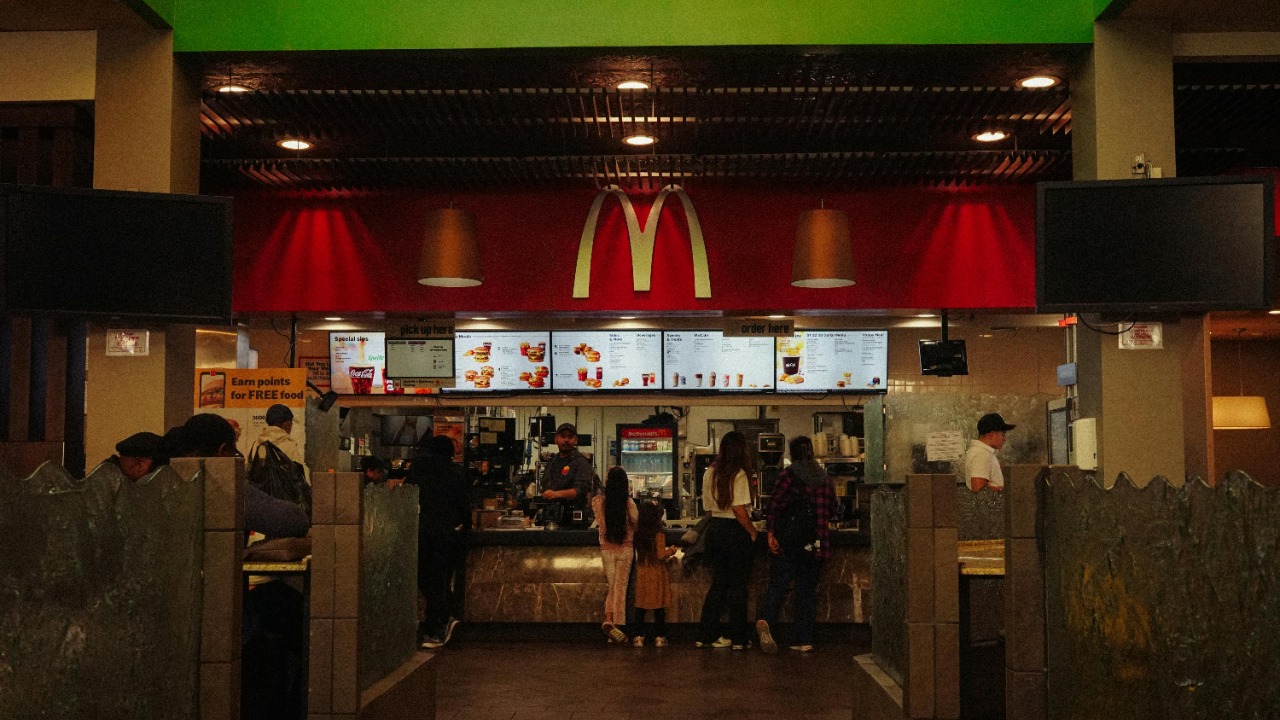
The US Mint has stopped making pennies as of October 31, 2025, leading to widespread shortages that have affected banks and retailers across the nation. This scarcity has prompted some McDonald’s locations to begin rounding cash transactions, meaning some customers might not receive the exact change with their orders. This development marks a significant change in how everyday transactions are conducted, particularly in cash-based exchanges.
US Mint’s Decision to Halt Penny Production
The US Mint’s decision to halt penny production on October 31, 2025, marks a significant departure from its ongoing operations, triggering a national supply chain disruption. This move is primarily driven by economic factors such as low demand and cost inefficiencies associated with producing pennies. The decision is unprecedented in recent history, directly impacting the circulation of everyday currency and causing immediate ripple effects across the country.
Reports of depleted penny stockpiles began to emerge within hours of the announcement, highlighting the immediate impact of the Mint’s decision. The halt in production has left many businesses scrambling to adjust their operations, as pennies have long been a staple in cash transactions. The decision underscores a broader trend towards digital payments and the declining relevance of small-denomination coins in modern commerce.
Widespread Shortages Hit Banks and Retailers
The halt in penny production has led to widespread shortages, with banks and retailers running short on pennies nationwide. This shortage has affected routine operations such as making change, with many businesses struggling to meet the demand for pennies. The impact has been felt across various sectors, including general retail and banking services, which have reported difficulties in fulfilling penny needs since the morning of October 31, 2025.
Stakeholders have reacted by calling for alternative solutions, such as increased reliance on digital payments, to mitigate the impact of the shortage. As the situation evolves, what began as a minor inconvenience has quickly escalated into a systemic challenge, prompting businesses to reconsider their cash handling practices. The shortage highlights the need for adaptability in the face of changing economic conditions and the potential benefits of transitioning to a more cashless society.
McDonald’s Adapts with Transaction Rounding
In response to local penny deficits caused by the broader Mint stoppage, some McDonald’s locations have implemented a policy of rounding cash transactions. This change, effective October 31, 2025, means that some customers might not receive the exact change back with their orders. The rounding policy primarily affects cash-only transactions, as McDonald’s aims to address the immediate challenges posed by the penny shortage.
McDonald’s has communicated that this is a temporary measure tied to the current shortages, reassuring customers that credit and debit transactions remain unaffected. This adaptation reflects the fast-food giant’s commitment to maintaining service continuity despite the logistical challenges posed by the penny shortage. The situation underscores the broader implications of the Mint’s decision, as businesses across the country are forced to innovate and adapt to new economic realities.
As the penny shortage continues to unfold, businesses and consumers alike are navigating the challenges of a changing economic landscape. The decision to halt penny production marks a pivotal moment in the evolution of currency use, with potential long-term implications for how transactions are conducted in the future.
More From TheDailyOverview
- Dave Ramsey says these two simple questions show whether you’re rich or poor
- Retired But Want To Work? Try These 18 Jobs for Seniors That Pay Weekly
- IRS raises capital gains thresholds for 2026 and what’s new
- 12 ways to make $5,000 fast that actually work

Silas Redman writes about the structure of modern banking, financial regulations, and the rules that govern money movement. His work examines how institutions, policies, and compliance frameworks affect individuals and businesses alike. At The Daily Overview, Silas aims to help readers better understand the systems operating behind everyday financial decisions.

