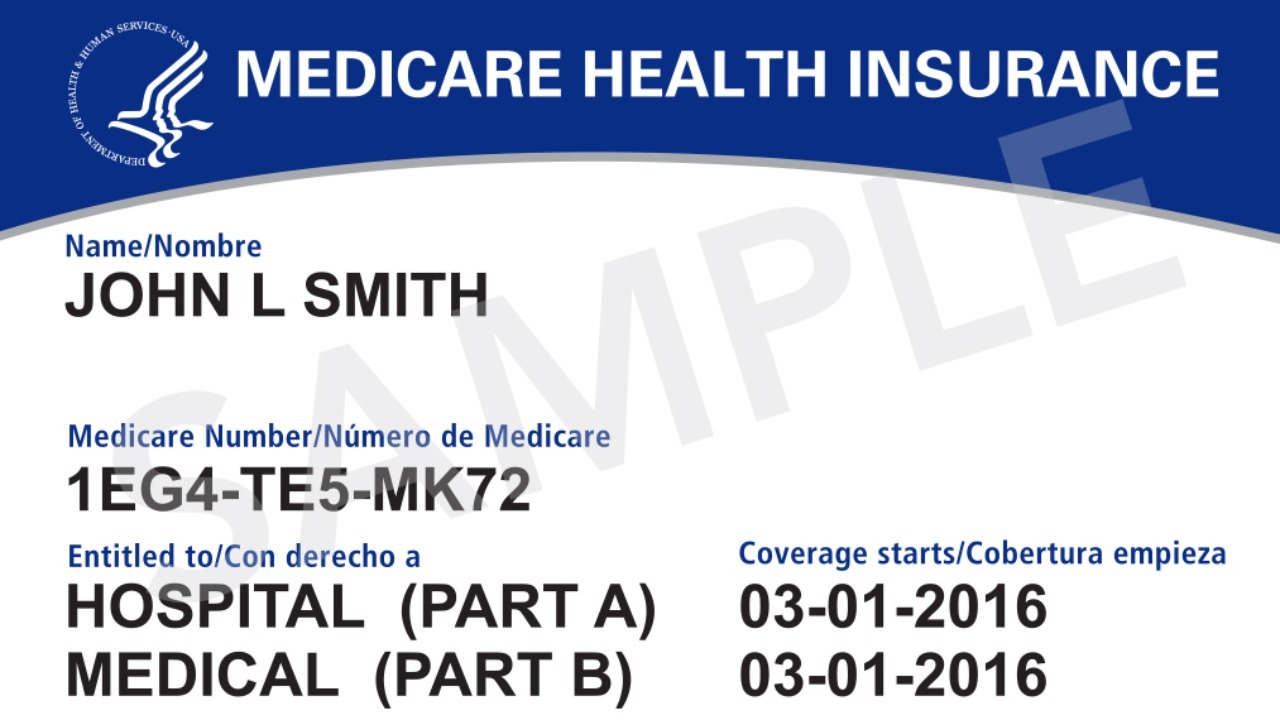
The standard Medicare Part B premium will be $209.40 a month in 2027, up $6.50 from $202.90 in 2026, according to figures the Centers for Medicare & Medicaid Services released on November 17, 2026. The annual Part B deductible rises $9 to $292. These are final amounts set under the annual formula in the Social Security Act, not proposals or estimates.
The standard premium is only the floor. Higher-income enrollees pay an income-related surcharge that starts above $112,000 for single filers and $224,000 for joint filers, while lower-income enrollees may qualify for state programs that pay the premium. The sections below cover the amounts, how the premium is usually collected, the brackets, and the two official routes that can change what is owed.
The 2027 amounts and what moved
The CMS fact sheet on 2027 Medicare Parts A and B premiums and deductibles lists a standard Part B premium of $209.40 a month and a Part B deductible of $292 for the year. CMS says the increase is mainly due to projected increases in healthcare spending. The Part A inpatient hospital deductible is $1,776, up $40 from $1,736.
Labeled arithmetic from those figures: the $6.50 monthly increase adds up to $78.00 over 12 months. Medicare.gov’s costs page repeats the same 2027 figures.
Where the premium help is written down: A Part B premium notice states the amount owed but not which state office handles a Medicare Savings Program application, and each program that lowers Medicare costs runs on its own form. The Extra Help and Part B premium programs section, together with the 51 state Medicare cost-help packs, is in The Medicare Cost & Coverage Protection Kit.
How the premium usually reaches Social Security recipients
Medicare.gov’s page on paying premiums says most people have the Part B premium deducted automatically from their Social Security benefit. Enrollees who do not receive Social Security or Railroad Retirement Board benefits are billed instead, and a Part B-only bill arrives every 3 months. Medicare Easy Pay, a free service, can draw the premium from a bank account on the 20th of the month, and the page says the deduction amount updates automatically when the premium changes.
The Social Security Administration’s 2027 cost-of-living fact sheet sets the 2027 COLA at 3.6 percent. The COLA and the premium change are separate adjustments, and the pages read do not give the month of the first 2027 deduction or a net payment figure. Net deposits are best checked against the notices the agencies send.
Income brackets that start above $112,000
CMS reports that income-related monthly adjustment amounts, known as IRMAA, affect roughly 9% of people with Part B. The 2027 total monthly premium for full Part B coverage by modified adjusted gross income (MAGI) is $209.40 at or below $112,000 for individual returns ($224,000 joint). Above those lines the totals are $293.10 (up to $141,000 individual, $282,000 joint), $418.80 (up to $177,000, $354,000), $544.40 (up to $212,000, $424,000), $670.00 (below $500,000, $750,000) and $711.80 at or above those top amounts. Married enrollees who lived with a spouse but file separately pay $670.00 above $112,000 and below $388,000, and $711.80 at $388,000 or more.
The Social Security Administration’s operating manual on MAGI says the income used is generally from two years before the premium year, and gives 2026 premiums based on 2024 tax return information as its example. By that rule, 2027 premiums would generally rest on 2025 returns, though the CMS fact sheet does not state the tax year itself. MAGI is adjusted gross income plus tax-exempt interest.
Labeled arithmetic from the table: a single filer just above $112,000 pays $293.10 instead of $209.40, a difference of $83.70 a month or $1,004.40 over 12 months. Because the brackets are steps, one dollar of income across a line triggers the whole surcharge for that bracket. Part D carries a separate surcharge of $15.40 to $96.40 a month.
Asking SSA to lower the surcharge after a life change
The surcharge is based on older tax data, so it can lag a real change in income. The Social Security page on lowering IRMAA lists life-changing events including marriage, divorce, the death of a spouse, loss of income and an employer settlement payment. Form SSA-44 also names work stoppage or reduction, loss of income-producing property and loss of pension income.
The form can be submitted online after signing in, mailed or faxed with evidence to a Social Security office, or handled in person, and the agency’s line is 1-800-772-1213 (TTY 1-800-325-0778), Monday through Friday, 8 a.m. to 7 p.m. The form says the tax year chosen must be more recent than the year SSA used. Approval is not guaranteed.
Medicare Savings Programs run through the states
Lower-income enrollees can seek help through the four Medicare Savings Programs. The Qualified Medicare Beneficiary program can cover Part B premiums, deductibles, coinsurance and copayments, while the Specified Low-Income Medicare Beneficiary and Qualifying Individual programs cover Part B premiums only.
Applications go through the state, and Medicare.gov says states may disregard some income or resources, so a person above the federal limits may still qualify. The page lists 2026 limits, for example $1,350 a month in income for an individual in the Qualified Medicare Beneficiary program, and does not list 2027 limits. The Qualifying Individual program requires a new application every year and approves on a first-come, first-served basis.
Mistakes that cost the most
The most expensive error is leaving an outdated surcharge in place after retirement, a divorce or another drop in income. A second is skipping a state application because income appears too high, when the program page says the state decides. A third is reading the premium increase against the COLA without checking the notices, since the surcharge, Part D amounts and any plan premiums are billed separately.
Finding Part B premium help by state
The higher Part B premium in 2027 leaves two unfinished jobs for households on tight budgets: working out which Medicare Savings Program applies in a given state, and tracking medication and out-of-pocket costs alongside the premium. Each program has its own office and application, and the premium notice itself does not point to either.
The Medicare Cost & Coverage Protection Kit is a 10-page kit with 51 state Medicare cost-help packs, the new Part D out-of-pocket cap, the prior-authorization appeal steps and a medication and cost tracker.
Look up a state’s cost-help pack and the medication and cost tracker in The Medicare Cost & Coverage Protection Kit.
This article was created with AI assistance and reviewed for accuracy against the CMS, Medicare.gov and Social Security Administration pages read in November 2026.

Nathaniel Cross focuses on retirement planning, employer benefits, and long-term income security. His writing covers pensions, social programs, investment vehicles, and strategies designed to protect financial independence later in life. At The Daily Overview, Nathaniel provides practical insight to help readers plan with confidence and foresight.