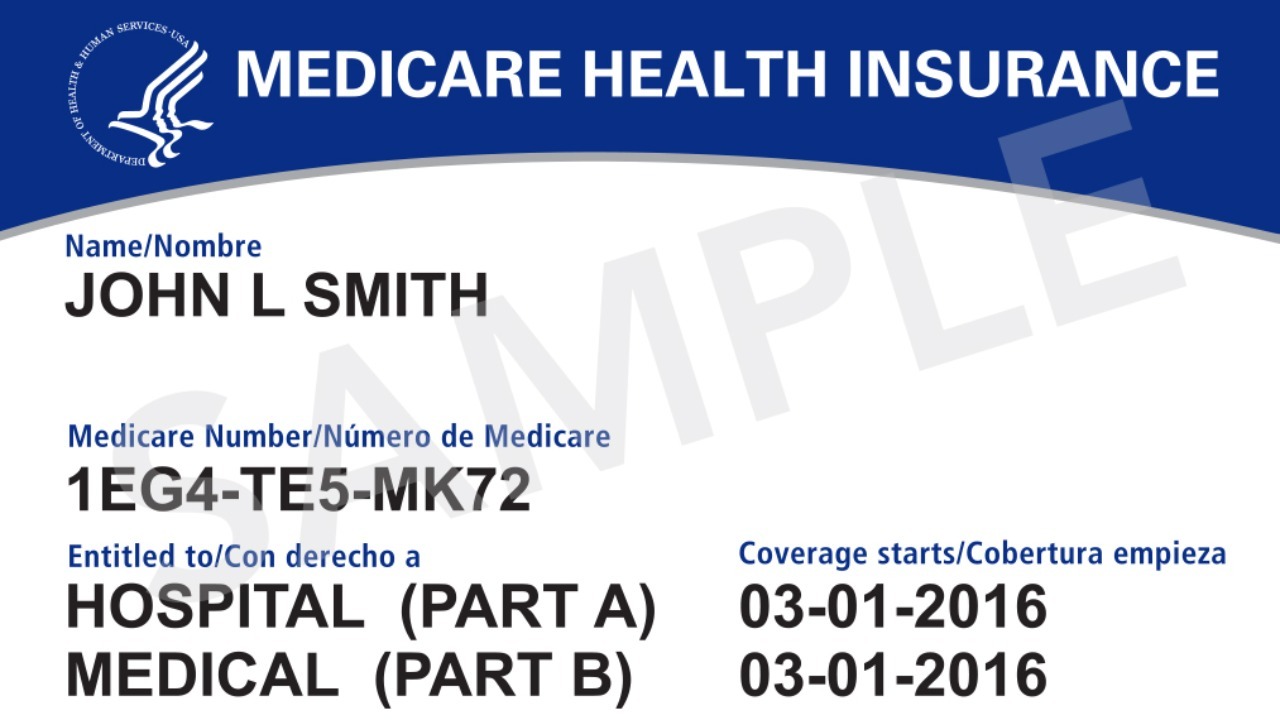
Medigap has an enrollment window that behaves very differently from Medicare’s familiar fall open enrollment. The federal window lasts six months, begins when a person is 65 or older and Part B starts, and generally happens only once.
During that period, an insurer cannot use medical underwriting to refuse a policy it sells in the state or charge more because of health problems. After the window closes, those protections may be much narrower.
The Six-Month Clock
The official Medicare Medigap page says the open-enrollment period begins the first month a person has Part B and is 65 or older. Delaying the shopping decision does not pause the clock.
This is separate from the October 15 through December 7 Medicare Open Enrollment Period. That annual period is mainly for changing Medicare Advantage and drug coverage; it does not recreate the original federal Medigap protection.
What Can Change After the Window
After the six-month period, a company may be allowed to use medical underwriting, charge more or decline an application unless the applicant has a guaranteed-issue right. State law can provide additional protections beyond the federal minimum.
That means two people seeking the same standardized letter plan can face different results based on timing, state rules and health history, even though the core benefits of a given plan letter are standardized.
Employer Coverage Can Delay the Right Clock
A worker covered through current employment may decide to delay Part B. Medicare notes that when the employer coverage ends and Part B begins, the Medigap open-enrollment period can begin at that later point.
The coordination rules deserve confirmation before any change. A household should ask the employer plan how it works with Medicare and verify the Part B timing rather than canceling coverage first and solving the enrollment sequence afterward.
Compare the Same Letter, Not Just the Logo
In most states, Medigap plans are standardized by letter. Two companies selling the same plan letter generally provide the same basic standardized benefits, but premiums, pricing methods, discounts and customer service can differ.
A strong comparison records the plan letter, monthly premium, pricing method and expected increases. The limited window makes it important to compare carefully without mistaking brand recognition for a different package of standardized benefits.
Guaranteed-Issue Rights Can Reopen Protection
Federal law creates guaranteed-issue rights in certain situations after the original window. Examples can include losing coverage because a Medicare Advantage plan leaves the service area, a plan ending its Medicare contract or a beneficiary trying Medicare Advantage for the first time and returning to Original Medicare within the permitted trial period. The exact plan choices and deadlines depend on the event.
Medicare’s Medigap buying guidance tells shoppers to keep letters, notices, claim denials and envelopes that prove prior coverage ended. An insurer may ask for that evidence. A guaranteed-issue deadline can be short, so the notice should be reviewed when it arrives rather than filed away for later.
State Rules Can Be More Protective
The federal six-month period is the floor, not the entire rulebook. Some states provide annual or birthday-based switching rights, additional protections for people under 65 who qualify for Medicare through disability, or limits on the underwriting an insurer may use. These rules can materially change the options after the federal window closes.
The State Insurance Department and SHIP program are the safest places to verify those protections. A broker can help compare policies, but the legal right to buy a plan comes from federal and state rules. A shopper should ask whether the quote requires medical underwriting, whether a guaranteed-issue right applies and which deadline controls before canceling any existing coverage.
Medigap is not Medicare Advantage. A Medigap policy works with Original Medicare and helps pay certain remaining costs. It generally cannot be used to cover copayments, deductibles or premiums inside a Medicare Advantage plan. Confusing the two can lead a shopper to cancel coverage that cannot be restored on the same terms.
Before signing, the buyer should confirm the exact plan letter, effective date, monthly price, household discount, pricing method and the insurer’s history of rate increases. The new policy should be active before an old supplement is canceled. A free-look period may allow a limited comparison, but paying two premiums briefly can be safer than creating an uninsured gap that is difficult to reverse.
This article was created with AI assistance and reviewed for accuracy against official government sources.

Nathaniel Cross focuses on retirement planning, employer benefits, and long-term income security. His writing covers pensions, social programs, investment vehicles, and strategies designed to protect financial independence later in life. At The Daily Overview, Nathaniel provides practical insight to help readers plan with confidence and foresight.