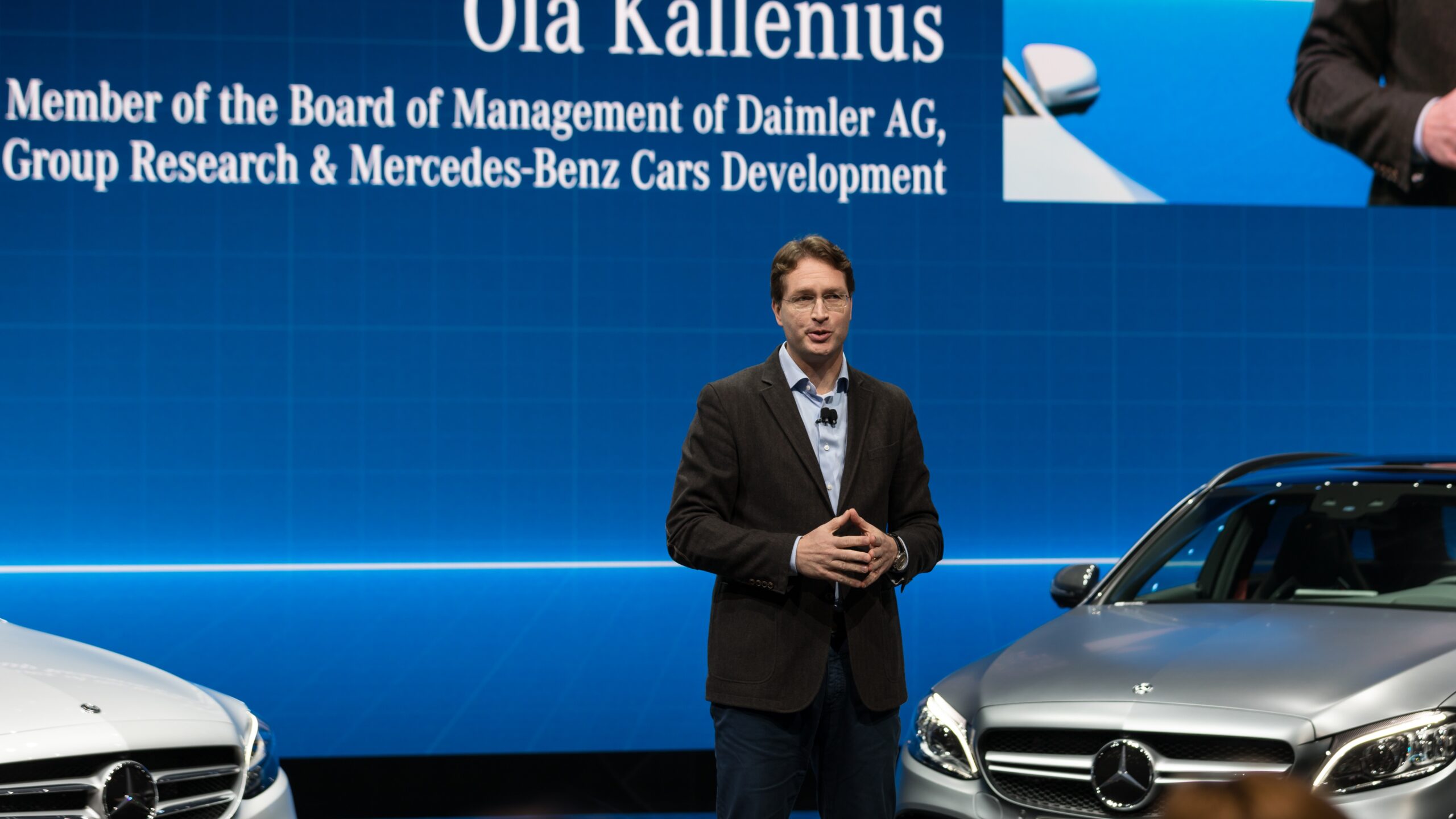
The head of Mercedes-Benz has revealed that the White House mounted an aggressive campaign to convince the German carmaker to relocate its global headquarters from Europe to the United States, only to be firmly turned down. The push, which centered on tax breaks and the threat of tariffs, underscores how far President Donald Trump’s administration is willing to go to onshore marquee industrial brands. It also shows how deeply Mercedes still identifies with its historic base in Stuttgart, even as it expands its manufacturing and corporate footprint across America.
At stake was not just a change of address but a symbolic coup in the global contest for high-value corporate power centers. By trying to pry Mercedes away from its home base, the administration tested the limits of economic nationalism, while the automaker weighed political pressure against brand heritage, supply chains, and investor expectations.
The quiet White House campaign to woo Mercedes
According to multiple accounts, the Trump administration used back-channel diplomacy to pitch a headquarters move directly to Mercedes-Benz Group AG’s top leadership. I see this as part of a broader strategy to turn the United States into the default home base for global manufacturers, not just a production hub. Reports describe a Trump Cabinet secretary, identified as Commerce Secretary Lutnick, making the case that Mercedes could secure generous tax incentives and a friendlier regulatory climate if it shifted its corporate nerve center across the Atlantic, while also hinting that staying put might expose the company to higher import duties on vehicles shipped into the American market.
In parallel, the administration pressed Mercedes to move more production to America, framing the offer as a way to avoid punitive trade measures. One account notes that the pitch from the Trump Administration Tried to Persuade Mercedes to Move Production included the possibility of high tariffs on imported vehicles if the company did not expand its U.S. footprint, a proposal that Mercedes Rejected Trump Administration’s Proposal despite the leverage that tariffs can provide for Washington negotiators, as detailed in trade discussions. The combined pressure on both headquarters and factories shows how the White House tried to bundle carrots and sticks into a single, sweeping relocation package.
Ola Källenius says no, and explains why
Mercedes-Benz CEO Ola Källenius has now publicly confirmed that he rebuffed this overture, describing a direct conversation with Commerce Secretary Lutnick about shifting the company’s global base. In his telling, the pitch was clear and forceful, but he responded that Mercedes is a German company with deep roots in its home city and that those roots are not going anywhere. One detailed account of the exchange notes that the Benz CEO Ola Kallenius turned down an offer from the Commerce Secr to move the headquarters, stressing that the brand’s identity is inseparable from its origin story, a stance laid out in his remarks. That refusal effectively closed the door on what would have been one of the most dramatic corporate relocations in modern automotive history.
Other reports echo this account, noting that the Mercedes, Benz CEO was approached as part of a broader Trump push to bring foreign automakers more tightly under the American industrial umbrella. One narrative describes how the Benz CEO was asked to consider uprooting the company’s leadership from Europe and was told that the administration would help smooth the transition, but he declined, reinforcing that Mercedes is a German company first and that its global strategy does not include abandoning its home base, as reflected in coverage of the. In turning down the offer, Källenius signaled to investors, employees, and German policymakers that the company would not trade its identity for short-term political or fiscal gains.
Stuttgart roots versus American expansion
To understand why the headquarters question is so sensitive, it helps to remember where Mercedes comes from. The company’s corporate heart is in Stuttgart, Germany, a city that has grown up alongside the automaker and its predecessors for more than a century. Reports on the Trump administration’s pitch repeatedly emphasize that the company’s Stuttgart headquarters are located at the center of its engineering and design culture, and that uprooting that base would have been a seismic shift for the German economy, a point underscored in accounts that describe how the German Mercedes Benz leadership weighed the request, including one that notes the story was By Ariel Zilber and that it was Published Jan with a reference to the number 52 in the context of the coverage, as seen in that report. For German officials, losing such a flagship would have been politically explosive.
At the same time, Mercedes has steadily deepened its presence in America, which is why the White House saw an opening. The company already operates a major manufacturing complex in Tuscaloosa, Alabama, where it builds SUVs like the GLE and GLS for global markets, and it has been expanding its corporate footprint as well. One report notes that Mercedes, Benz has big plans for Atlanta in 2026, including moving 500 corporate, technical and high-tech roles to its existing campus in the city, a shift that illustrates how the company is adding high-value jobs in the U.S. without touching its global headquarters, as described in that analysis. The tension between Stuttgart’s symbolic role and the practical benefits of American expansion sits at the core of Källenius’s decision.
Atlanta and the North American strategy
Even as Mercedes resists moving its global headquarters, it is reshaping how it operates in North America. The company has already decided that Mercedes, Benz will Move North American Headquarters to Atlanta, consolidating leadership for the region in Georgia and reinforcing the city’s status as a key hub for the brand, as laid out in corporate announcements. That move, combined with the additional 500 roles planned for the area, suggests that Mercedes sees Atlanta, Georgia as the natural anchor for its U.S. operations, even if Stuttgart remains the global command center.
From my perspective, this dual structure helps explain why the White House push ultimately failed. Mercedes can tell Washington that it is investing heavily in American jobs and technology while still keeping its legal and symbolic headquarters in Europe. The company’s growing presence in Atlanta gives it political capital in the U.S., while Stuttgart reassures German stakeholders that the company’s soul remains at home. In that context, uprooting the entire corporate structure to satisfy a single administration’s priorities would have been a disproportionate response to short-term political pressure.
What the failed pitch reveals about Trump’s industrial policy
The episode also sheds light on how President Trump’s team is approaching industrial policy in his current term. Rather than relying solely on broad tax or trade legislation, the administration is willing to engage in direct, company-specific lobbying, as seen in the way the Mercedes CEO Rebuffed Lutnick, Pitch, Move Headquarters in a one-on-one conversation described in detailed accounts. That approach mirrors how the administration has used tariff threats and bespoke deals with other automakers to try to shift production and investment decisions in America’s favor.
Several reports highlight how this strategy played out in the Mercedes case. One narrative, framed as Mercedes CEO Says White House Tried To Get Company To Move Headquarters To America, recounts how Källenius described the outreach and his refusal, providing a rare glimpse into the administration’s behind-the-scenes tactics, as outlined in his account. Another, written by Michael Gauthier, notes that The Trump Administration tried to lure Mercedes to America and that Commerce Secretary Lutnick reportedly offered tax incentives as part of the second Trump administration’s broader push to onshore manufacturing, a strategy summarized in that report. Together, these accounts suggest a White House that sees marquee corporate relocations as both economic wins and political trophies.
More From TheDailyOverview
*This article was researched with the help of AI, with human editors creating the final content.

Grant Mercer covers market dynamics, business trends, and the economic forces driving growth across industries. His analysis connects macro movements with real-world implications for investors, entrepreneurs, and professionals. Through his work at The Daily Overview, Grant helps readers understand how markets function and where opportunities may emerge.

