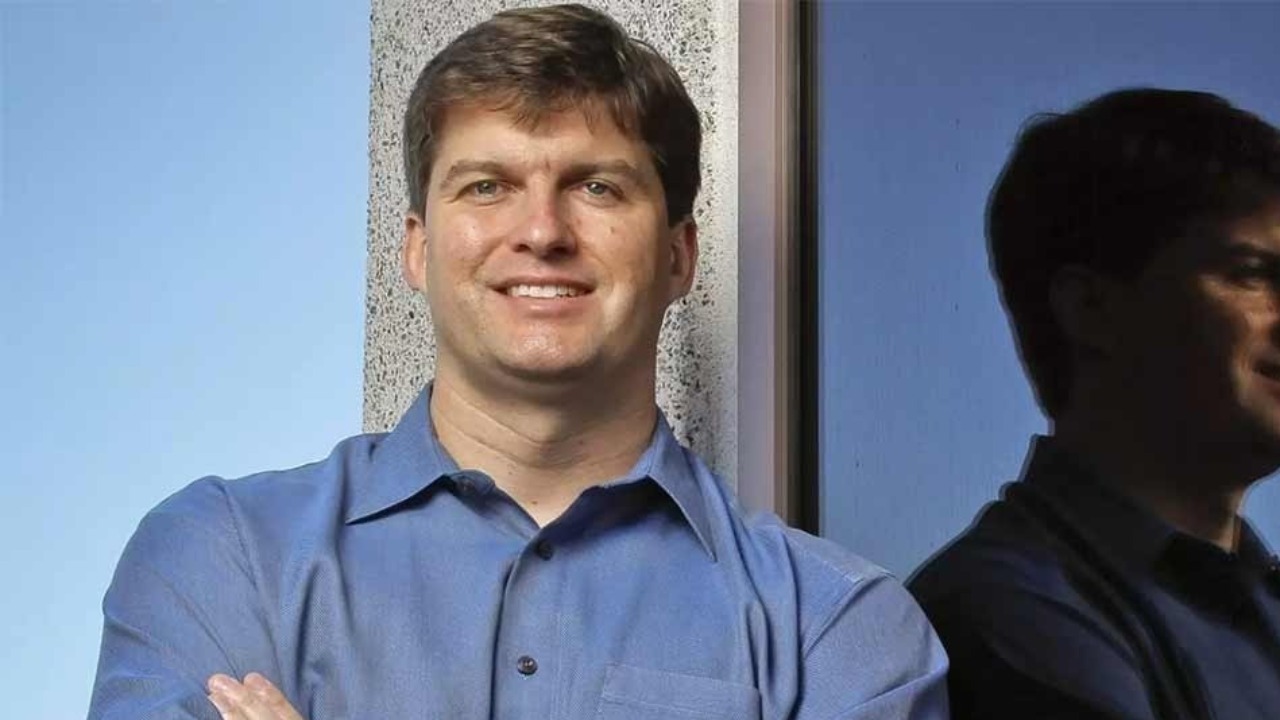
Michael Burry’s decision to wind down his hedge fund structure has not pushed him to the sidelines. Instead, the investor best known for calling the 2008 housing bust is signaling that he is trading more directly, with fewer formal constraints and a renewed focus on themes he believes markets are mispricing. For anyone who has followed his contrarian streak, the message is clear: the fund may be gone, but the risk‑taking has not slowed.
From deregistration to a more personal trading playbook
I see Burry’s move to deregister his firm as less a retreat and more a reset of how he wants to express his views. Reporting shows that Michael Burry said his hedge fund firm Scion Asset Management may be deregistered, yet he emphasized that he remains “active in markets,” a distinction that matters because it separates regulatory form from actual risk exposure. By stepping away from the formal fund wrapper while continuing to trade, he is effectively telling investors that the structure has changed, not the conviction behind his positions, a point underscored by coverage that describes him as still active after a recent hedge fund exit in Nov 18, 2025.
That shift also reflects how Burry has long treated his investment vehicles as extensions of his own analysis rather than scalable asset‑gathering machines. In fresh comments, Burry framed the fund as a kind of “friends and family” vehicle that was never meant to balloon into a multi‑billion‑dollar institution, a characterization that helps explain why he was comfortable letting the registration lapse once it no longer fit his preferred way of operating. The deregistration, reported in detail as a key step for Scion Asset Management, looks less like capitulation and more like a return to the leaner, more idiosyncratic style that first put him on the map.
Scion’s evolution, from crisis trade to “friends and family” vehicle
To understand why Burry can walk away from a formal fund and still project confidence, it helps to revisit how his firms have evolved. Earlier in his career, Burry, 54, closed a previous firm called Scion Capital in 2008 after successfully betting against bonds backed by the U.S. housing market, a trade that defined his reputation and later inspired a Hollywood portrayal. That decision to shut Scion Capital in 2008, even after a spectacular win, showed a willingness to prioritize his own risk tolerance and lifestyle over the conventional path of scaling assets under management, a pattern that is now repeating in a different regulatory context.
More recently, Scion Asset Management has been described as a relatively tight‑knit operation rather than a mass‑market product. Burry said the fund had effectively been a “friends and family” vehicle and was never intended to scale, a remark that casts the deregistration as a logical endpoint rather than a sudden reversal. The characterization of Scion as a smaller, more personal structure, detailed in coverage of Burry’s stance after Scion de‑registration, helps explain why he can pivot to trading his own capital without seeing it as a downgrade in influence or ambition.
Why Burry says he is “still active” after the fund exit
What stands out in Burry’s latest comments is how explicitly he pushes back against any narrative that he is stepping away from markets. He has been described as “still active in markets after recent hedge fund exit,” with reporting on Nov 18, 2025, emphasizing that he continues to trade even as the formal fund structure winds down. That framing matters because it signals to counterparties, followers, and critics alike that he still intends to take positions on the same scale of conviction that once drove his famous housing short, even if the capital base and reporting obligations look different.
The messaging also reflects a broader pattern in how high‑profile investors manage their public image. Burry knows that headlines about deregistration or shutting a fund can easily be read as a loss of faith or a forced retreat, so he has moved quickly to clarify that he remains engaged. Coverage of his stance highlights that Michael Burry recently announced he would remain active in markets after deciding to deregister his hedge fund, a point that has been widely picked up in analyses of the US housing crash predictor’s latest move. By stressing continuity of activity, he is effectively telling the market that his views will still show up in trading flows, even if they no longer appear in quarterly fund filings.
The AI trade and Burry’s latest contrarian streak
One of the clearest examples of Burry’s current thinking is his stance on artificial intelligence valuations. Reporting under the banner Quick Read notes that Michael Burry’s Scion Asset Management targeted AI valuations detached from fundamentals by taking massive positions against some of the most hyped names in the sector, a move that fits squarely with his history of challenging consensus narratives. The fact that this campaign unfolded as AI enthusiasm dominated earnings calls and retail trading forums shows that Burry is once again willing to lean against a powerful trend when he believes the numbers do not justify the story.
That AI short, detailed in coverage of whether Burry is shutting his fund just before a big payoff, also helps explain why he might prefer to operate outside a traditional fund framework. Concentrated, high‑conviction trades against popular themes can be difficult to maintain inside a structure that must answer to outside investors who may be more sensitive to short‑term drawdowns or headline risk. By emphasizing that he is still trading actively even as the fund deregisters, Burry is signaling that he wants the freedom to pursue such contrarian bets without the friction of investor relations or the pressure to smooth quarterly performance.
What Burry’s shift means for investors watching from the sidelines
For individual investors and institutions that have long tracked Burry’s moves through regulatory filings, his pivot raises a practical question: how do you follow a trader who is no longer obligated to disclose positions in the same way? The answer is that his influence may become more qualitative than quantitative, with his public comments and occasional disclosures offering clues rather than a full portfolio map. Coverage that notes Michael Burry said his hedge fund firm Scion Asset Management may be deregistered, but he remains active, underscores that his market footprint will persist even if it becomes harder to measure in real time through standard fund reports.
At the same time, his history suggests that the absence of a formal fund does not diminish his capacity to move markets when his views become public. When Burry, 54, closed Scion Capital in 2008 after his housing bet, his subsequent letters and occasional interviews still shaped debates about topics ranging from student debt to index investing. The latest reporting that Burry is still active in markets after Scion’s de‑registration, including detailed accounts of how he has framed the fund as a “friends and family” vehicle, indicates that he is comfortable letting his ideas, rather than a fund brand, carry his influence. For investors watching from the sidelines, the message is straightforward: the ticker symbols may change, and the filings may thin out, but Burry’s contrarian lens on themes like AI, credit, and corporate earnings is not going away, as highlighted in coverage of how Burry says he is active in markets after the fund is deregistered.
More From TheDailyOverview
- Dave Ramsey warns to stop 401(k) contributions
- 11 night jobs you can do from home (not exciting but steady)
- Small U.S. cities ready to boom next
- 19 things boomers should never sell no matter what

Grant Mercer covers market dynamics, business trends, and the economic forces driving growth across industries. His analysis connects macro movements with real-world implications for investors, entrepreneurs, and professionals. Through his work at The Daily Overview, Grant helps readers understand how markets function and where opportunities may emerge.

