
Microsoft has experienced a significant surge in its stock price, driven by the company’s advancements in artificial intelligence. As investors seek to capitalize on this momentum, questions arise about the sustainability of this growth and whether it’s a prudent time to invest in Microsoft stock. The tech giant’s foray into AI has not only bolstered its market position but also raised critical inquiries about the longevity of this boom in an ever-evolving tech landscape.
The Role of AI in Microsoft’s Recent Surge

Microsoft’s strategic investments in artificial intelligence have become a cornerstone of its recent success. The integration of AI capabilities into its core products, such as Microsoft Azure and Office 365, has significantly enhanced their appeal and functionality. This shift has not only driven substantial revenue growth but also elevated Microsoft’s stock performance to new heights. The release of Copilot, an AI-powered tool integrated into Microsoft Word and Excel, exemplifies how the company is embedding AI into its product suite to deliver enhanced user experiences.
Recent earnings reports have underscored the impact of AI on Microsoft’s bottom line. The company’s quarterly results have consistently exceeded Wall Street expectations, largely due to AI-driven growth in cloud services and enterprise solutions. According to a report from Yahoo Finance, Microsoft’s revenue from its Intelligent Cloud segment, which includes Azure, soared by 27% in the last quarter.
AI is reshaping Microsoft’s product offerings, with the company continuously expanding its AI capabilities. For instance, the partnership with OpenAI to develop and deploy cutting-edge AI models has further solidified Microsoft’s position as a leader in the AI space. This strategic alignment not only enhances Microsoft’s technological prowess but also strengthens its competitive edge in an increasingly AI-driven market.
Investor Sentiment and Market Reactions
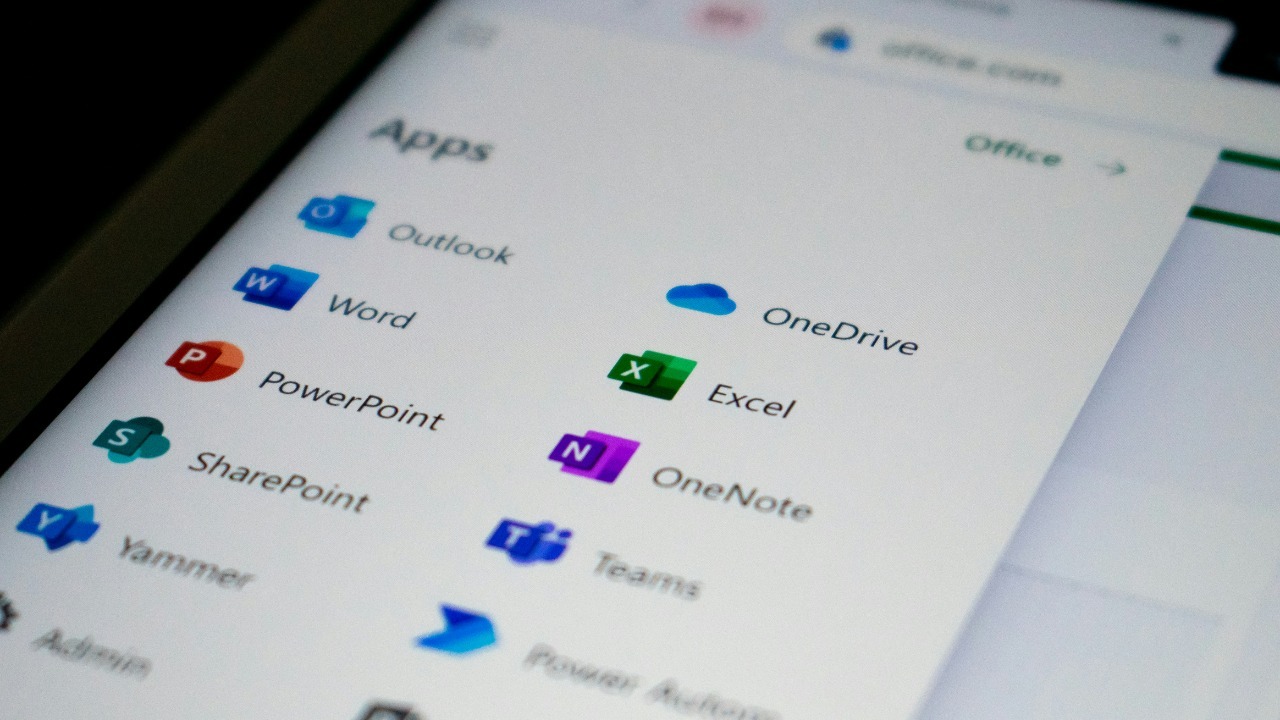
The enthusiasm for Microsoft’s AI initiatives is reflected in the trading volumes and market optimism surrounding the stock. According to AInvest, the trading volume for Microsoft shares has witnessed a significant uptick, indicating robust investor interest and confidence in the company’s future prospects. Financial analysts have expressed a positive outlook on Microsoft’s long-term potential, citing the company’s strategic focus on AI as a key driver of sustained growth.
Comparing Microsoft’s performance with other tech stocks in the AI space reveals its competitive advantage. While companies like Google and Amazon are also investing heavily in AI, Microsoft’s comprehensive approach, which includes cloud, productivity, and AI solutions, sets it apart from its peers. This diversified strategy not only mitigates risks but also positions Microsoft to capture a larger share of the burgeoning AI market.
Insights from financial experts further bolster the optimism surrounding Microsoft’s AI strategy. Analysts highlight the company’s strong balance sheet, extensive research and development capabilities, and a robust ecosystem as critical factors that underpin its long-term growth potential in the AI domain.
Potential Risks and Challenges Ahead

Despite the positive outlook, Microsoft faces several challenges that could impact its stock performance. One of the primary concerns is the competitive pressure from other tech giants, such as Google and Amazon, who are investing heavily in AI development. These companies are racing to innovate and capture market share, which could pose a threat to Microsoft’s dominance in the AI space.
Regulatory and ethical challenges also loom large over the AI industry. As AI technologies become more pervasive, there is growing scrutiny from regulators and policymakers regarding data privacy, algorithmic bias, and ethical considerations. Microsoft’s ability to navigate these challenges while maintaining its commitment to responsible AI development will be crucial in sustaining its growth trajectory.
Market volatility and external economic factors, such as geopolitical tensions and macroeconomic fluctuations, could also affect Microsoft’s stock. Investors must remain vigilant and consider these factors when evaluating the potential risks associated with investing in Microsoft.
Historical Context: Tech Stocks’ Boom and Bust Cycles

To better understand Microsoft’s current trajectory, it is essential to examine the historical context of tech stocks’ boom and bust cycles. The late 1990s saw a surge in technology stocks, followed by the infamous dot-com bubble burst in the early 2000s. This period serves as a cautionary tale for investors, highlighting the importance of discerning sustainable growth from speculative exuberance. A comprehensive study on US tech stocks provides valuable insights into market patterns and warning signs that can inform current investment decisions.
Comparing Microsoft’s current performance with historical tech booms reveals both similarities and differences. While the rapid ascent of Microsoft’s stock price mirrors past surges, the company’s robust fundamentals and diversified revenue streams provide a stronger foundation for sustained growth. Unlike the dot-com era, where many companies had unproven business models, Microsoft’s established presence and strategic focus on AI-driven innovation set it apart from historical precedents.
Investors can draw valuable lessons from past tech stock cycles, emphasizing the importance of thorough due diligence and a long-term investment perspective. By understanding the historical context, investors can better navigate the current market dynamics and make informed decisions regarding their investment in Microsoft.
Is It Too Late to Invest in Microsoft?

Evaluating Microsoft’s current stock valuation and future growth prospects is essential for potential investors. While the stock has experienced significant appreciation, experts argue that there is still room for further growth. Microsoft’s innovative approach to AI and its expanding portfolio of AI-driven solutions suggest a promising outlook for sustained revenue growth.
Financial analysts recommend a strategic approach when considering an investment in Microsoft. Timing is crucial, and investors should be mindful of potential market fluctuations. However, the company’s strong fundamentals and leadership in the AI space make it an attractive option for long-term investors seeking exposure to the tech sector.
Investment strategies that capitalize on Microsoft’s ongoing AI-driven momentum can offer substantial returns. Diversifying portfolios and considering dollar-cost averaging are prudent strategies that can mitigate risks and enhance potential gains. Furthermore, staying informed about market trends and developments in the AI space will empower investors to make well-informed decisions about their investment in Microsoft.

Grant Mercer covers market dynamics, business trends, and the economic forces driving growth across industries. His analysis connects macro movements with real-world implications for investors, entrepreneurs, and professionals. Through his work at The Daily Overview, Grant helps readers understand how markets function and where opportunities may emerge.

