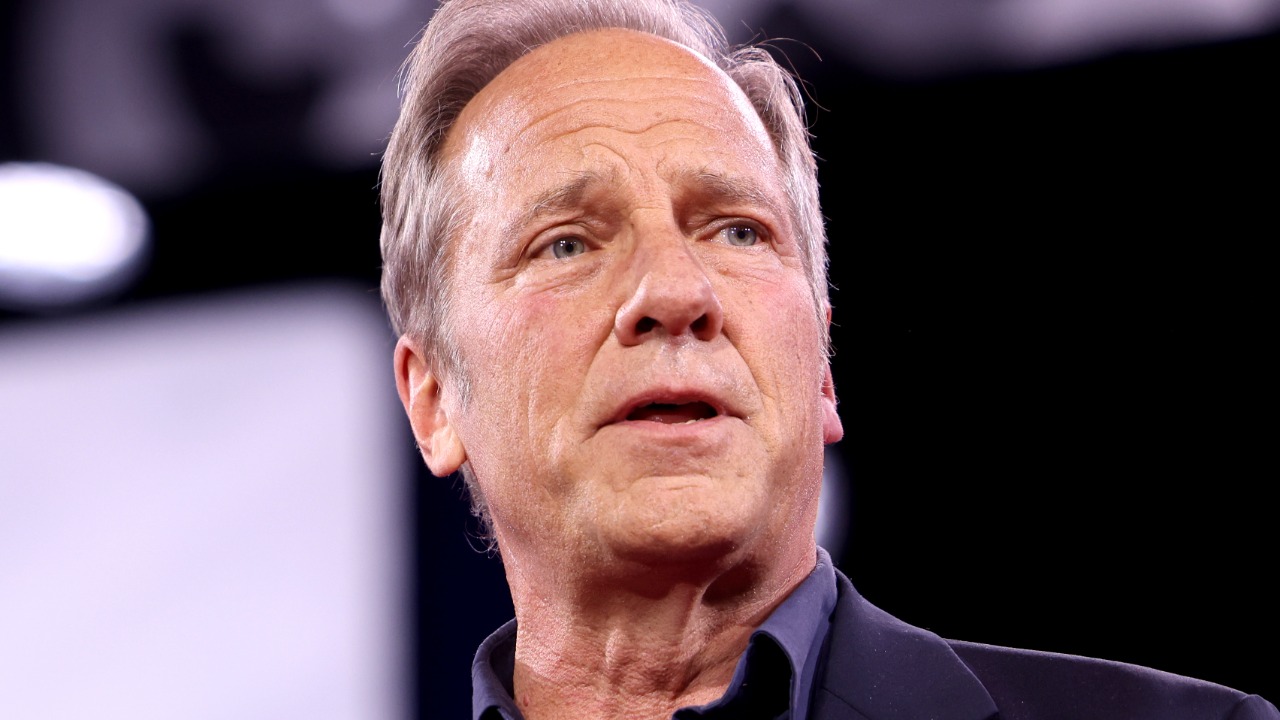
Mike Rowe, the renowned host of Dirty Jobs, has raised alarms about a troubling trend in the American labor market. Millions of able-bodied men are opting out of the workforce, creating what he describes as a “will gap.” This phenomenon is not only reshaping the labor landscape but is also poised to have far-reaching implications for the U.S. economy and society at large.
The Rise of the ‘Will Gap’: Understanding the Phenomenon

The “will gap,” as defined by Mike Rowe, refers to the growing number of men who are physically capable of working but choose not to participate in the workforce. This gap is distinct from unemployment rates, as it includes those who are not actively seeking employment. According to Rowe, this trend reflects a significant shift in societal attitudes towards work and responsibility.
Statistics paint a stark picture of this labor market shift. Reports indicate that approximately 7 million able-bodied men in their prime working years are neither employed nor seeking work. This has been highlighted in several studies, including one that Rowe referenced in his discussions. The decline in workforce participation among men is worrying, with potential repercussions for economic growth and community stability.
Communities and industries are feeling the impact of this trend. The absence of a significant portion of the labor force leads to gaps in industries that are already struggling to fill positions. The loss of potential productivity from these individuals not participating in the economy has broader implications, from reduced consumer spending to increased strain on social services.
Factors Contributing to Workforce Abandonment

Several factors contribute to this exodus from the workforce. Economic disincentives, such as welfare and unemployment benefits, play a role. While these programs are essential safety nets, they can also create a situation where the financial benefits of working do not outweigh those of remaining unemployed. This is particularly evident in regions where the cost of living is high, and wages for entry-level positions remain stagnant.
Cultural and educational shifts also influence attitudes toward work. As societal values evolve, the traditional notion of work as a cornerstone of identity and self-worth has been challenged. Educational systems, often focused heavily on college preparatory tracks, may inadvertently devalue vocational and trade skills, leading to a mismatch between job market demands and workforce skills. The emphasis on higher education as the primary pathway to success can alienate those who might otherwise thrive in trade professions.
Mental health issues and societal pressures further complicate the picture. The stigma surrounding mental health struggles can prevent individuals from seeking help, leading to prolonged periods of inactivity. Additionally, societal expectations and pressures can exacerbate feelings of inadequacy or failure, pushing some men to withdraw from the workforce entirely. Understanding these psychological factors is crucial in addressing the root causes of the will gap.
The Role of Trades and Vocational Training

One of the critical areas where change can be initiated is in the perception and valuation of skilled trades. Society often undervalues these professions, viewing them as less prestigious than white-collar jobs. This perception impacts career choices, with fewer individuals considering trades as viable, rewarding career paths. However, trades offer stable, well-paying jobs that are essential to the economy.
Vocational training presents a significant opportunity to reverse current trends. By promoting trades and vocational education, we can address labor shortages and provide pathways to meaningful employment. Educational institutions and policymakers must prioritize and invest in vocational training programs to make them more accessible and appealing. Success stories, such as individuals who have built flourishing careers in trades, serve as powerful examples of the potential this path holds.
Mike Rowe himself has been a vocal advocate for the trades, emphasizing their importance to the economy and the opportunities they offer. His nonprofit initiative, mikeroweWORKS Foundation, aims to reinvigorate interest in these critical fields by providing scholarships for vocational training. This initiative underscores the importance of changing public perceptions and increasing awareness of the benefits associated with skilled trades.
The Economic Impact of an Inactive Workforce

The non-participation of a significant portion of the workforce places an additional burden on social services. Government resources are strained as they attempt to support individuals who are not contributing to the economy. This leads to increased spending on welfare programs and potentially higher taxes to cover these costs, affecting all taxpayers.
Industries across the board face challenges as labor shortages become more pronounced. Sectors such as construction, manufacturing, and healthcare are particularly affected, as they struggle to fill positions essential to their operations. These shortages can lead to increased costs, project delays, and reduced service quality, further impacting economic stability and growth.
If the current trends continue, the long-term implications for the economic landscape could be severe. A persistent will gap may result in a less competitive economy, with reduced innovation and productivity. Addressing these issues now is crucial to prevent further economic decline and to ensure a robust, dynamic labor market in the future.
Potential Solutions and Pathways Forward

Addressing the will gap requires a multifaceted approach. Policymakers must consider reforms to welfare and unemployment benefits to ensure they provide support without discouraging workforce participation. Additionally, tax incentives for businesses that invest in vocational training and apprenticeships could help bridge the skills gap and attract more workers to these fields.
Community and educational initiatives play a vital role in reversing the trend. Local communities can engage individuals through awareness campaigns and by promoting the benefits of trade and vocational careers. Schools should incorporate career guidance that highlights various career paths, including trades, to help students make informed decisions about their futures.
Role models like Mike Rowe have a significant impact on public perception. His advocacy for the trades and his efforts to highlight the dignity and value of these professions can inspire change. By showcasing success stories and the tangible benefits of trade careers, influential figures can help shift cultural attitudes and encourage more individuals to pursue these paths.
Ultimately, addressing the will gap requires a collective effort from government, industry, and community leaders. By working together, we can create a more inclusive and dynamic workforce, ensuring a prosperous future for all.

Grant Mercer covers market dynamics, business trends, and the economic forces driving growth across industries. His analysis connects macro movements with real-world implications for investors, entrepreneurs, and professionals. Through his work at The Daily Overview, Grant helps readers understand how markets function and where opportunities may emerge.

