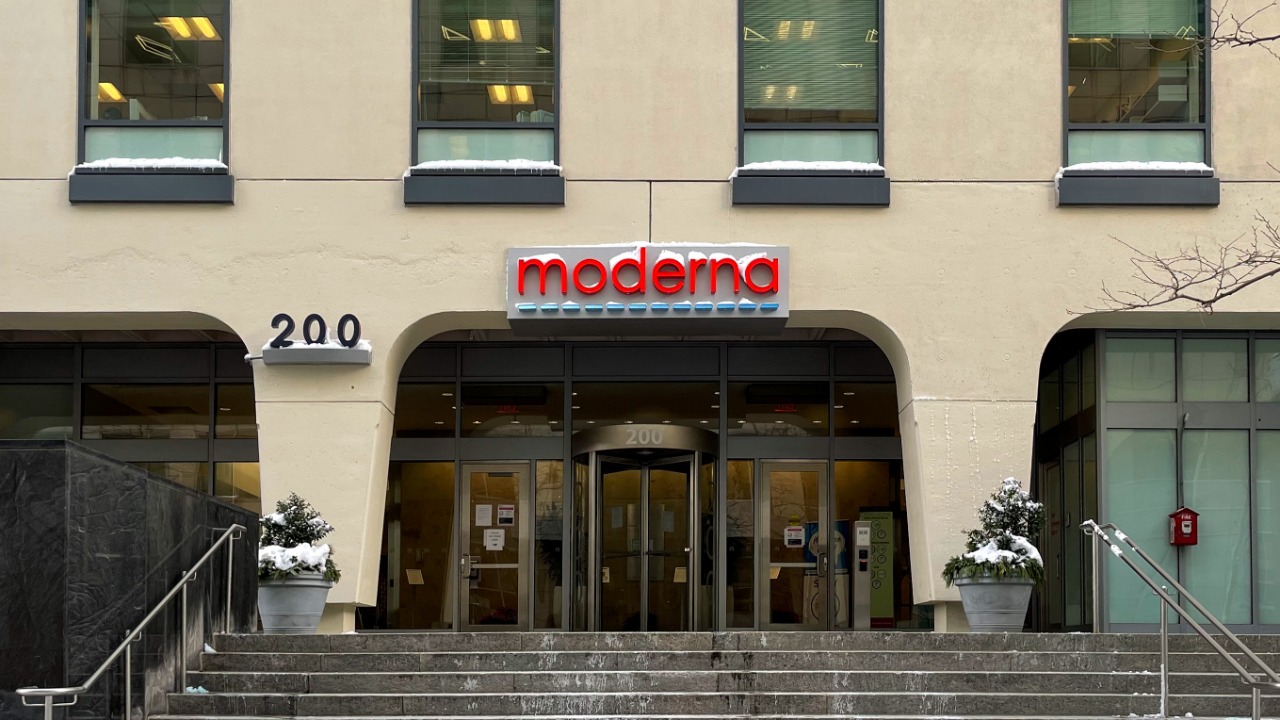
Moderna has announced a significant workforce reduction, planning to cut over 800 jobs this year. This move comes as the biotech company faces financial challenges, burning through its cash reserves. The decision reflects broader industry trends and the evolving landscape of pharmaceutical companies post-pandemic.
Current Financial Situation of Moderna
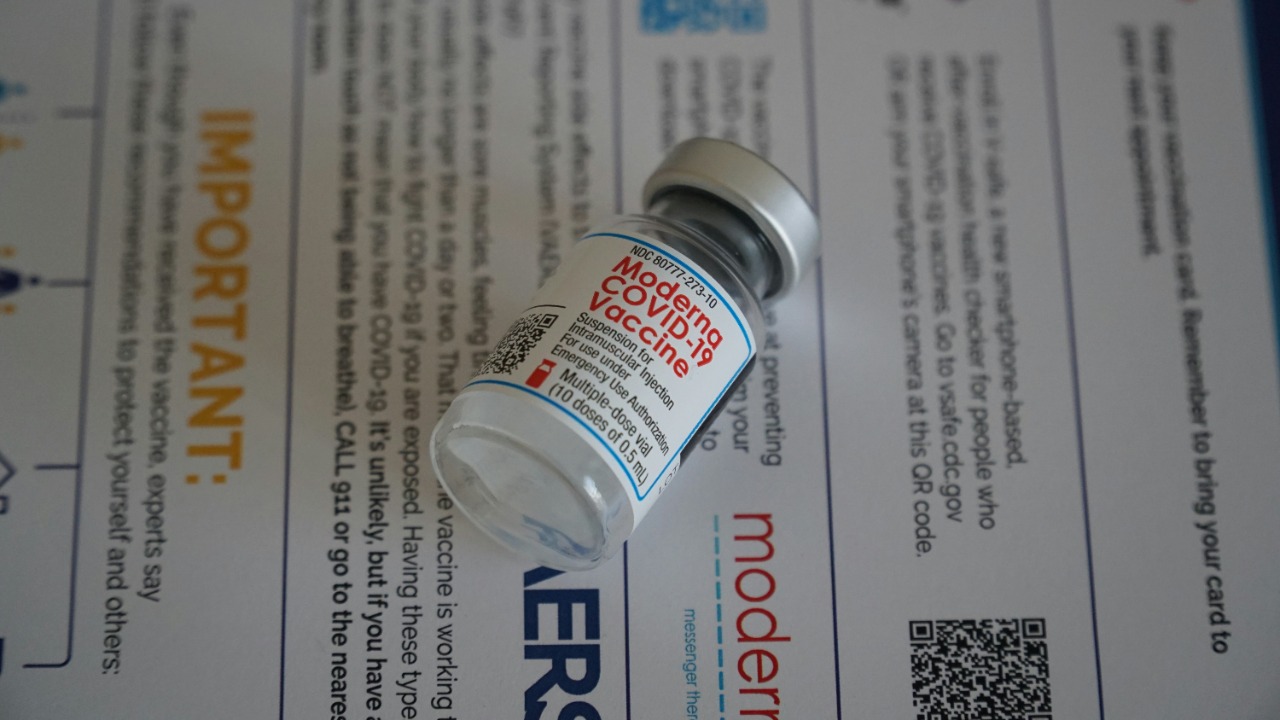
Moderna’s recent financial reports reveal a troubling trend for the biotech giant. With the initial boom in COVID-19 vaccine sales waning, the company is now grappling with a substantial reduction in revenue. This downturn is primarily attributed to the decreased demand for COVID-19 vaccines as global vaccination rates stabilize and the need for booster shots declines. The company’s cash flow statements indicate a significant strain on their financial resources, necessitating drastic measures like workforce reduction to maintain fiscal health.
In comparison to its peers, Moderna is not alone in facing these challenges. For instance, Recursion, another prominent player in the biotech sector, recently announced a 20% reduction in its workforce to bolster its cash position. Such moves highlight a broader industry pattern where companies are forced to adapt to post-pandemic economic realities, focusing on cash conservation and strategic realignment.
Impact on Employees and Company Operations

The decision to cut over 800 jobs will inevitably have profound implications for Moderna’s workforce and operations. The layoffs are expected to affect various departments, with a particular emphasis on roles that are no longer sustainable due to the reduced demand for COVID-19-related products. Research and development positions, along with some roles in manufacturing and distribution, are anticipated to bear the brunt of these cuts.
These layoffs could potentially disrupt Moderna’s operational capabilities and ongoing projects. Employee reactions to the job cuts have been mixed, with concerns about job security and the company’s future direction. Moreover, there are potential legal and ethical issues associated with mass layoffs, including compliance with labor laws and the ethical responsibility to support affected employees during the transition period.
Industry Trends and Market Reactions
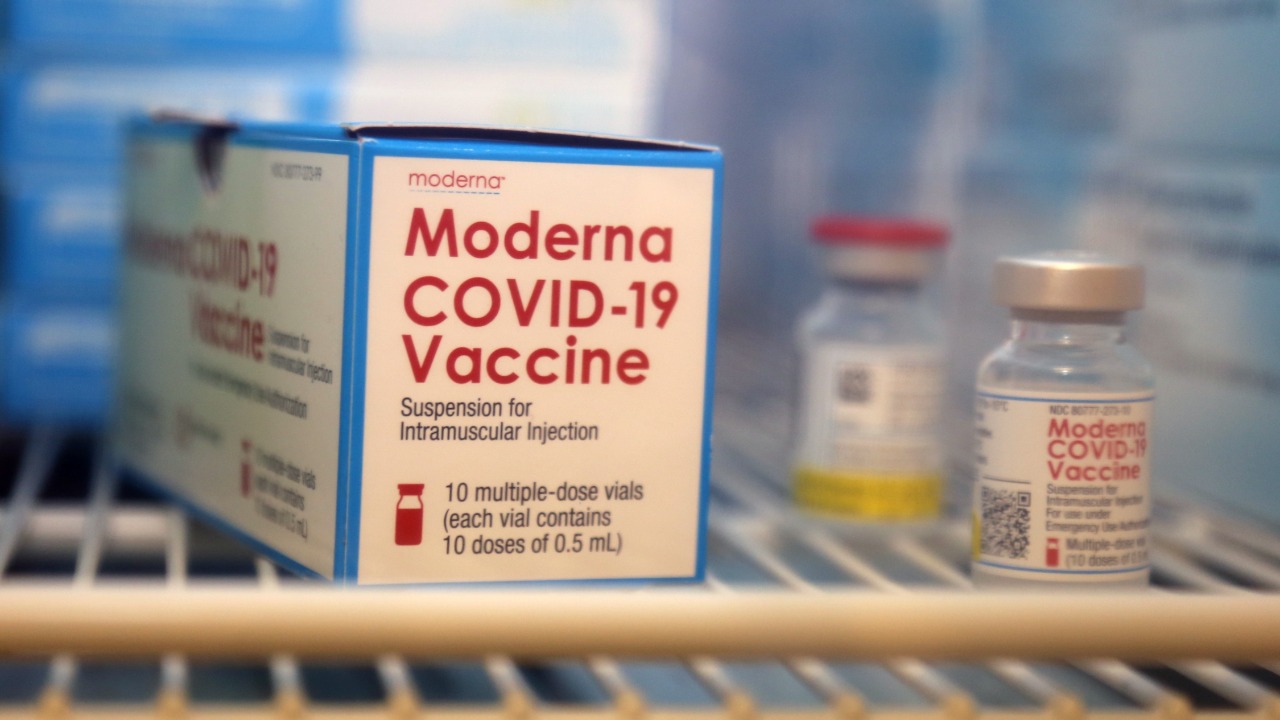
The biotech industry is witnessing a transformative phase as companies recalibrate their strategies to align with post-pandemic economic realities. Market analysts have offered varied perspectives on Moderna’s strategic decision. While some view it as a necessary step to preserve financial stability, others express concerns about the potential long-term effects on the company’s stock performance.
Interestingly, comparisons can be drawn with other companies like Yeti, which is expected to beat earnings estimates despite financial challenges. Yeti’s strategy of diversifying its product lines and focusing on core strengths serves as a potential blueprint for companies like Moderna to navigate financial difficulties while maintaining investor confidence.
Future Strategies for Moderna

In response to its current financial challenges, Moderna is exploring various strategies to stabilize its situation and regain investor confidence. Diversification appears to be a key focus, with the company considering new product lines that extend beyond its traditional reliance on COVID-19 related offerings. Such diversification could include expanding into other therapeutic areas or investing in innovative technologies that promise sustainable revenue streams.
Moderna’s research and development initiatives also hold promise for future growth. By investing in cutting-edge biotechnologies, the company aims to enhance its product portfolio and create new opportunities for market expansion. These efforts, coupled with strategic partnerships and collaborations, could position Moderna favorably in the competitive biotech landscape, fostering long-term sustainability and growth.
Broader Implications for the Biotech Industry

Moderna’s situation underscores a broader trend within the biotech sector, where companies are compelled to adapt to evolving market conditions and financial pressures. The economic challenges faced by Moderna and its peers highlight the need for innovation and strategic restructuring to ensure long-term viability.
As the industry continues to navigate these complexities, there is an emphasis on leveraging technological advancements and exploring new business models. Companies are increasingly focusing on collaboration and partnership opportunities to enhance their capabilities and drive innovation. The role of strategic restructuring, combined with a commitment to research and development, will be crucial in ensuring the biotech industry’s resilience and growth in the coming years.

Grant Mercer covers market dynamics, business trends, and the economic forces driving growth across industries. His analysis connects macro movements with real-world implications for investors, entrepreneurs, and professionals. Through his work at The Daily Overview, Grant helps readers understand how markets function and where opportunities may emerge.

