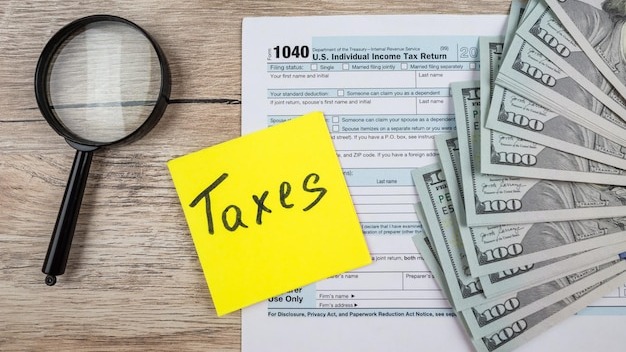
Roughly 70 percent of all U.S. taxpayers qualify to prepare and file their federal returns at no cost through IRS Free File, yet fewer than 3 percent of those eligible actually use it. That gap between availability and adoption represents one of the most significant missed opportunities in personal finance, costing millions of households money they do not need to spend. For the 2026 filing season covering 2025 tax year returns, the program is open to anyone with an adjusted gross income of $89,000 or less, and understanding how it works can save filers both time and money.
Who Qualifies and Why So Many Do
The eligibility bar for guided IRS Free File software is set at an adjusted gross income of $89,000 or less for the 2025 tax year. That threshold is grounded in statute rather than guesswork. Under the Taxpayer First Act, Congress directed the IRS to make free online preparation and e-filing available to the lowest 70 percent of filers when ranked by income each year. The current dollar cutoff is the point at which that bottom 70 percent ends, so most workers with wage income, Social Security, and modest investment earnings fall within the program’s reach.
For filers who earn above that amount, the system still offers a no-cost option. Free File Fillable Forms are electronic versions of IRS paper forms available to taxpayers in any bracket. These forms do not include the step-by-step guidance of the partner software products, but they allow anyone to e-file a federal return without paying a cent. Taxpayers who do not have a Social Security number can still participate by using an Individual Taxpayer Identification Number, so long as they otherwise meet the filing requirements for the program.
How the Free File Process Works Step by Step
The IRS emphasizes that filers should always begin at the official Free File portal rather than searching for individual software brands. Starting at the agency’s gateway ensures taxpayers land on a legitimate program page, see only participating partners, and receive the full consumer protections built into the agreement. From the central landing page, which can also be accessed through the online Free File tool, filers select “Explore” to browse available partners and answer a few questions about their income, state of residence, age, and filing status. The system then matches them with one or more software products that fit their situation, including providers such as TaxSlayer and Drake (1040.com).
Once a taxpayer chooses a partner, they leave the IRS website and complete their return on that company’s platform. The guided software walks filers through common tax situations, credits, and deductions much like a paid commercial product would, including prompts about dependents, education costs, and retirement contributions. Before starting, the IRS recommends gathering all forms and receipts showing earned income and tax-deductible expenses, such as W‑2s, 1099s, mortgage interest statements, and records of charitable gifts. Having this paperwork ready before logging in reduces back-and-forth, cuts down on data entry errors, and helps ensure filers do not overlook credits or deductions they qualify for.
A Public-Private Partnership With Built-In Tensions
IRS Free File is not a government-built software package. It operates through the Free File Alliance, a coalition of private tax software companies that agreed to offer no-cost versions of their products to eligible taxpayers. In return, the IRS historically refrained from developing its own direct-file system that might compete with those offerings. The arrangement is governed by a memorandum of understanding and subsequent addenda that spell out the obligations of each side, including requirements for clear disclosures, eligibility screening, and data security standards. For taxpayers, the upside is access to commercial-grade software without a fee, along with the ability to e-file quickly and receive refunds faster than with paper returns.
That reliance on private companies has also drawn scrutiny. The IRS’s internal watchdog, the Taxpayer Advocate Service, has documented concerns about steering and upselling within the program, noting that some providers historically redirected eligible Free File users toward paid products or add-on services. The watchdog also pointed to limited IRS quality testing of partner software and to confusing navigation that made it difficult for taxpayers to distinguish truly free offerings from paid upgrades. In addition, the Taxpayer Advocate highlighted a pattern in which many first-time users did not return to Free File in subsequent years, suggesting that their experience may have fallen short of expectations even when the software technically worked as promised.
The Stubborn Adoption Gap
Despite being available to a clear majority of filers, Free File has consistently struggled to attract users. A report by the Government Accountability Office found that while about 70 percent of taxpayers were eligible for the program, fewer than 3 percent of those who could use it actually did. The Taxpayer Advocate Service put more specific numbers on the shortfall, estimating that roughly 105 million taxpayers qualified in one recent year, yet only about 2.5 million returns were filed through Free File. That placed utilization at under 2 percent of the eligible population. At the time of this writing, the IRS has not released updated participation statistics for the 2026 filing season, so it is unclear whether recent outreach efforts have moved the needle.
Several factors appear to drive this persistent adoption gap. Awareness remains low: many eligible taxpayers simply do not know that the Free File program exists or assume that “free” offers come with hidden catches. In contrast, commercial tax software companies invest heavily in advertising and brand-building, which can overshadow quieter government messaging. Even when taxpayers do find the program, they may encounter confusing eligibility screens, aggressive marketing for paid add-ons, or state-return fees that make the overall experience feel less than free. Oversight bodies have repeatedly urged the IRS to simplify the entry process, strengthen consumer protections, and expand public education, but those recommendations have so far produced only incremental change rather than a wholesale redesign.
Other Free Filing Options Beyond Free File
IRS Free File is a cornerstone of the federal government’s no-cost filing options, but it is not the only path to a free return. For the 2026 filing season, the IRS has highlighted several alternatives that meet different needs and comfort levels. MilTax offers specialized software and e-filing support at no charge for active-duty service members and certain veterans, addressing issues such as combat pay and frequent moves. The Volunteer Income Tax Assistance (VITA) program and the Tax Counseling for the Elderly (TCE) program provide in-person help at community sites for low- to moderate-income filers, people with disabilities, and older adults. These programs rely on IRS-trained volunteers who can prepare basic returns, answer questions, and help eligible taxpayers claim credits such as the Earned Income Tax Credit and Child Tax Credit.
For those comfortable working directly with forms, Free File Fillable Forms remain available regardless of income, offering basic math checks but no interview-style prompts or advice. Beyond preparation tools, the IRS maintains an online account system that lets individuals view balances, payment histories, and key tax records, as well as a separate business account portal for entities that need to track payroll and other business tax obligations. These digital services help filers confirm information before submitting returns and can reduce the risk of mismatch notices or delayed refunds. Combined with the IRS2Go mobile app and electronic payment options, they round out a broader ecosystem of tools designed to make tax compliance less burdensome and less costly, particularly for those willing to navigate the official channels rather than defaulting to paid products.
What the 2026 Filing Season Looks Like
For 2026, the IRS has tried to frame the filing season around both timing and accessibility. In a recent announcement, the agency detailed the official season opening, reminding taxpayers that electronic returns can be submitted as soon as systems come online and that most refunds for error-free e-filed returns with direct deposit are issued within a few weeks. The same communication encouraged taxpayers to use online tools to get ready before filing, including checking that their address and direct deposit information are current and verifying that they have received all relevant information returns such as W‑2s and 1099s. By front-loading preparation, filers are less likely to need corrections or amended returns later in the year.
The IRS has also underscored that multiple free options will be available throughout the season, not only through the Free File Alliance but also via VITA, TCE, MilTax, and the agency’s own digital services. For eligible taxpayers, the key message is that paying for basic tax preparation is often unnecessary. By starting at the official Free File portal, confirming eligibility based on income, and taking advantage of community-based assistance where appropriate, millions of households can keep more of their refunds instead of diverting a portion to filing fees. As the 2026 season unfolds, the real test will be whether awareness and trust in these no-cost tools grow enough to close the longstanding gap between who could file for free and who actually does.
More From The Daily Overview
*This article was researched with the help of AI, with human editors creating the final content.

Julian Harrow specializes in taxation, IRS rules, and compliance strategy. His work helps readers navigate complex tax codes, deadlines, and reporting requirements while identifying opportunities for efficiency and risk reduction. At The Daily Overview, Julian breaks down tax-related topics with precision and clarity, making a traditionally dense subject easier to understand.

