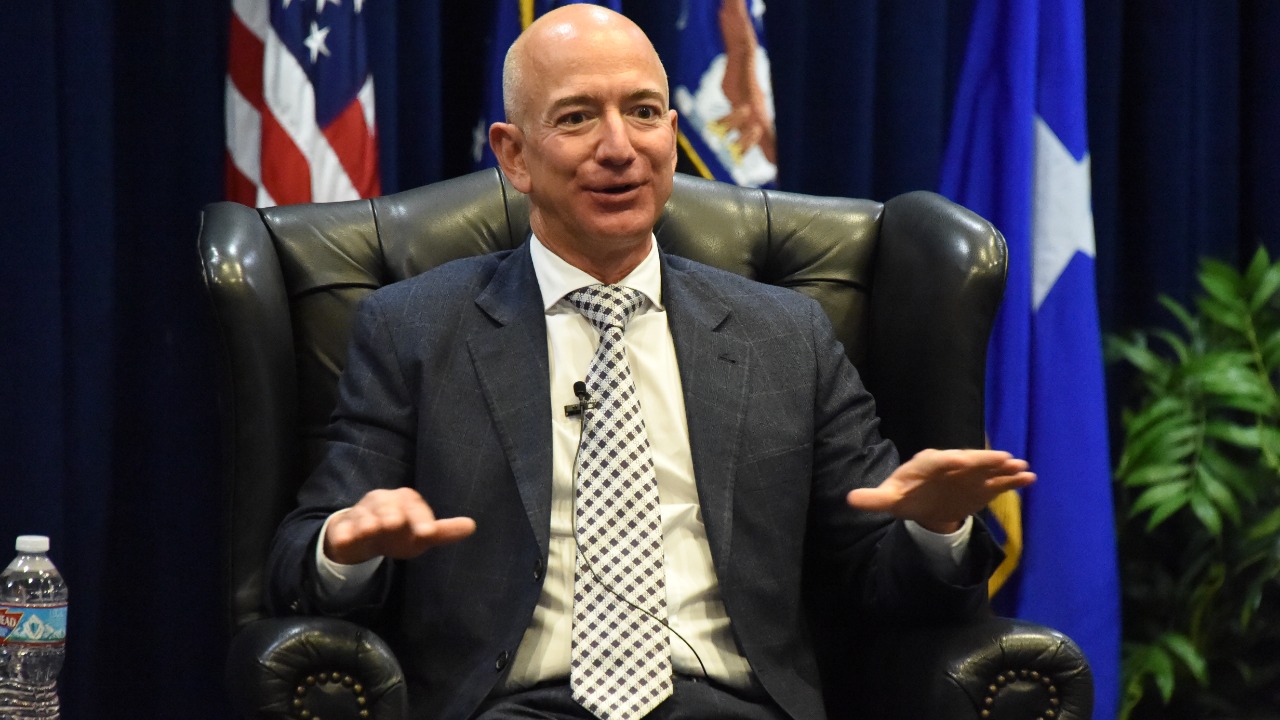
The space defense landscape is undergoing a significant transformation as President Trump shifts his focus from Elon Musk’s SpaceX to Jeff Bezos’s Blue Origin. This unexpected pivot is reshaping the competitive dynamics of the space industry, with far-reaching implications for national security and economic interests.
The Shift from Musk to Bezos

President Trump’s decision to transition from SpaceX to Blue Origin has raised eyebrows across the space industry. The move is reportedly driven by a desire for diversification and to leverage the unique capabilities that Jeff Bezos’s company brings to the table. Blue Origin, with its methodical approach and focus on long-term sustainability in space, aligns closely with the strategic defense priorities outlined by the current administration.
Blue Origin is strategically positioned to meet the evolving needs of the U.S. government in space defense. With its cutting-edge technology and focus on reusable spacecraft, it offers a viable alternative to SpaceX. This shift underscores a broader realignment of the relationship between the government and private space enterprises, signaling a new era of collaboration and competition among key industry players.
Implications for Space Defense Strategy
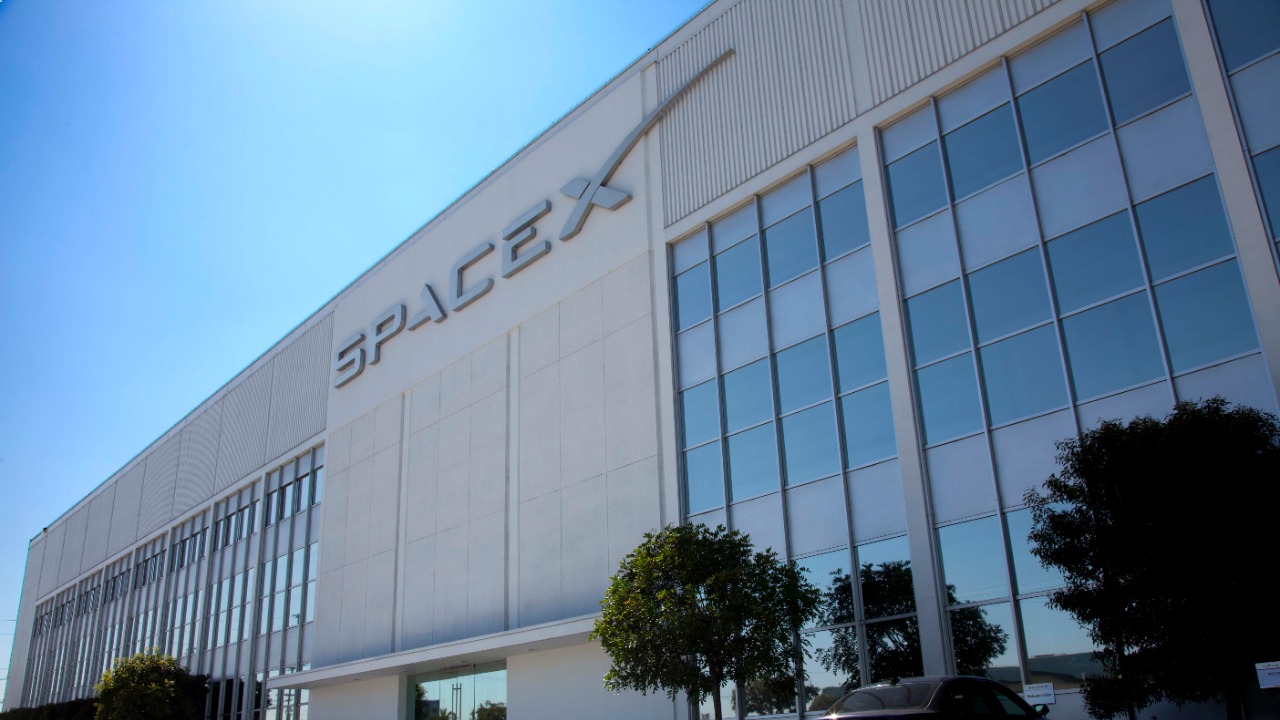
Blue Origin is expected to play a pivotal role in fulfilling the new space defense objectives set by the Trump administration. The company is poised to contribute significantly to the development of advanced defense technologies, including satellite networks and propulsion systems. This shift not only affects the current landscape of space defense technology but also sets the stage for future innovations and strategic partnerships.
Relying on Blue Origin over SpaceX presents both challenges and advantages. While Blue Origin’s focus on sustainability and innovation is a major advantage, the transition may also pose logistical challenges, including the integration of new technologies and the alignment of strategic priorities. Nevertheless, this pivot reflects the administration’s commitment to strengthening the nation’s space defense capabilities.
Economic and Political Ramifications

The economic impact of the transition from SpaceX to Blue Origin is expected to reverberate across the U.S. space industry and the global market. As Blue Origin takes on a more prominent role, it could attract increased investment and spur innovation, boosting the overall competitiveness of the U.S. space sector. Meanwhile, SpaceX may face financial challenges as it adjusts to the loss of critical government contracts.
Politically, the shift has sparked diverse reactions and implications for U.S. domestic and international policies. Some analysts see it as a strategic maneuver to strengthen geopolitical alliances, while others view it as a potential risk to the established relationship between the government and the private sector. Regardless, this decision is likely to influence the broader relationship between the government and private enterprises in the space industry.
Responses from Key Stakeholders

Elon Musk’s reaction to the loss of government contracts has been one of resilience and determination. While SpaceX faces challenges, Musk remains optimistic about the company’s future prospects and is doubling down on its commercial and international projects. Meanwhile, Jeff Bezos has seized the opportunity to expand Blue Origin’s footprint in the defense sector, articulating a vision for the company as a key partner in national security initiatives.
The defense community and industry experts have offered varied reactions to this strategic pivot. Some view it as a necessary evolution in the space defense strategy, while others express concerns about over-reliance on a single private entity. As the dust settles, it remains to be seen how these changes will affect the competitive dynamics of the space industry.
Future Prospects and Developments

Looking ahead, Blue Origin’s role in upcoming space defense projects and missions is expected to grow significantly. The company is well-positioned to lead the charge in developing next-generation technologies that will shape the future of space exploration and defense. This strategic alignment with the government could pave the way for groundbreaking advancements and strengthen U.S. leadership in the space domain.
The potential for collaboration or competition between SpaceX and Blue Origin moving forward is a topic of much speculation. While both companies are likely to continue pursuing their own strategic goals, there may also be opportunities for collaboration in areas of mutual interest. Ultimately, the evolving relationship between these two industry giants will have profound implications for the future of space exploration and defense.

Grant Mercer covers market dynamics, business trends, and the economic forces driving growth across industries. His analysis connects macro movements with real-world implications for investors, entrepreneurs, and professionals. Through his work at The Daily Overview, Grant helps readers understand how markets function and where opportunities may emerge.

