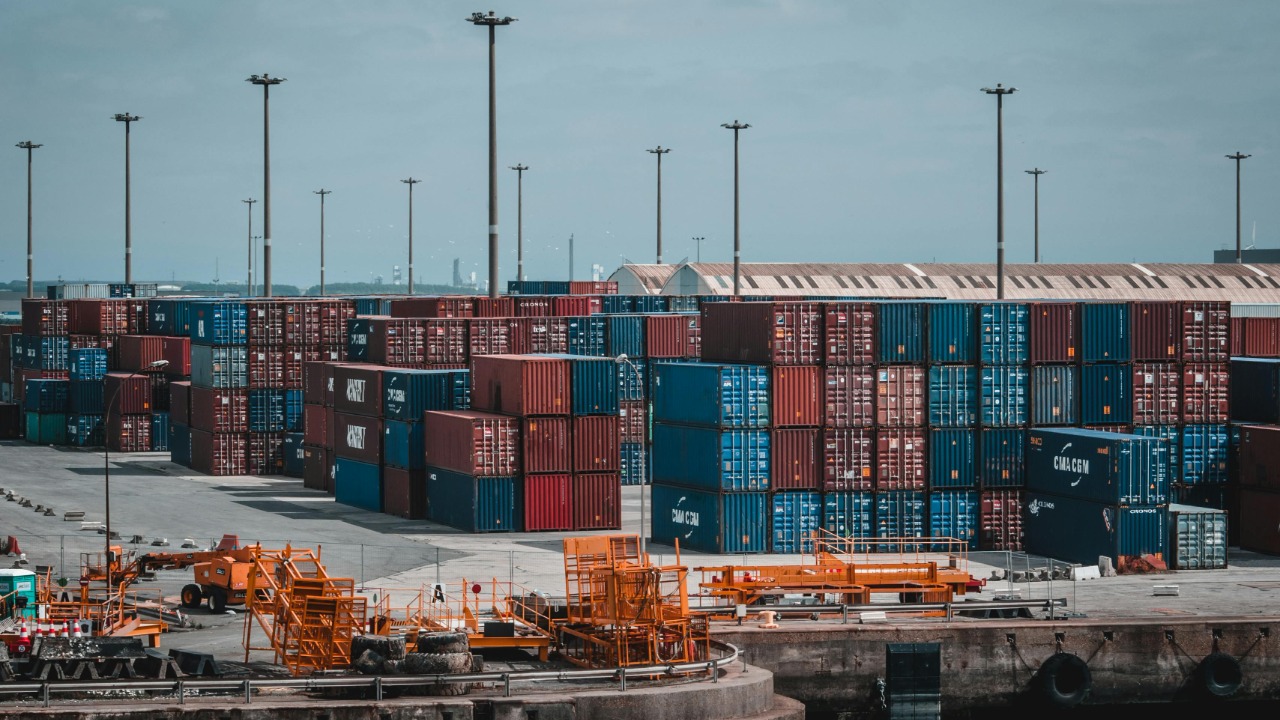
The freight industry is grappling with a significant downturn as nearly 9,000 jobs have been cut, marking the largest loss in years for 20 states. This wave of layoffs, which began to intensify in mid-2025, underscores the broader economic pressures facing the sector. Adding to these challenges, Nissan announced plans to eliminate 9,000 jobs on November 7, 2024, due to weak sales in China and the US, further straining supply chain and freight operations.
Scale of the Layoffs
The freight sector’s contraction is stark, with nearly 9,000 jobs slashed, representing a significant reduction in the workforce. This layoff wave, reported in June 2025, highlights the acute challenges the industry faces amid economic pressures. The cuts are not just numbers; they reflect a substantial contraction in the sector’s capacity to sustain its workforce, affecting livelihoods and regional economies. The cumulative impact of these layoffs is profound, marking the largest job loss in years for the affected regions, as detailed in a FreightWaves report.
This downturn is not isolated but part of a broader trend affecting the freight industry across the United States. The nearly 9,000 job cuts underscore a significant contraction, with many regions experiencing their most severe losses in recent memory. The scale of these layoffs reflects the sector’s vulnerability to economic fluctuations and highlights the need for strategic adjustments to mitigate future risks.
States Hit Hardest
The geographic breadth of the downturn is extensive, with 20 states facing the largest job losses in the freight industry. These states, spanning various regions, have been disproportionately impacted by the nearly 9,000 job cuts. The widespread nature of these layoffs indicates a systemic issue within the freight sector, affecting states from the industrial Midwest to the agricultural South. This broad impact suggests that no single region is immune to the economic pressures facing the industry.
Regional variations in the scale of losses further illustrate the freight sector’s vulnerability. States with significant freight operations, such as Texas, California, and Illinois, have seen substantial job reductions, reflecting their reliance on this industry. The downturn in these states highlights the interconnectedness of regional economies and the freight sector’s critical role in supporting local employment. As reported by MSN, these job cuts represent the largest loss in years, underscoring the need for targeted economic support and recovery strategies.
Underlying Causes in Freight
The economic factors driving the layoff wave in the freight sector are multifaceted. Broader market challenges, such as supply chain disruptions, have significantly contributed to the nearly 9,000 jobs slashed. These disruptions have created bottlenecks and inefficiencies, exacerbating the industry’s struggles to maintain operations and workforce levels. The largest loss in years across 20 states highlights the critical need for resilience and adaptability in the face of such challenges.
Sector-specific pressures, including reduced demand, have also played a crucial role in prompting these cuts. As consumer behavior shifts and global trade dynamics evolve, the freight industry must navigate a complex landscape of changing demands and expectations. The November 2025 reports of job cuts reflect these pressures, emphasizing the need for strategic planning and innovation to sustain the sector’s viability.
Nissan’s Role and Broader Implications
Nissan’s announcement to axe 9,000 jobs, linked to weak sales in China and the US as of November 7, 2024, adds another layer of complexity to the freight sector’s challenges. The company’s decision to cut production and slash its annual profit outlook by 70% exacerbates strains on freight operations, reducing the demand for automotive shipping and impacting related jobs. This development underscores the interconnectedness of global supply chains and the ripple effects that corporate decisions can have on the broader industry.
The implications of Nissan’s production cuts are significant, as they contribute to the ongoing industry-wide losses in 20 states. The reduction in automotive shipping needs directly affects freight jobs, highlighting the sector’s dependence on stable and robust manufacturing outputs. As reported by Reuters, these developments illustrate the broader economic challenges facing the freight industry and the need for strategic responses to mitigate their impact.
More From TheDailyOverview
- Dave Ramsey says these two simple questions show whether you’re rich or poor
- Retired But Want To Work? Try These 18 Jobs for Seniors That Pay Weekly
- IRS raises capital gains thresholds for 2026 and what’s new
- 12 ways to make $5,000 fast that actually work

Grant Mercer covers market dynamics, business trends, and the economic forces driving growth across industries. His analysis connects macro movements with real-world implications for investors, entrepreneurs, and professionals. Through his work at The Daily Overview, Grant helps readers understand how markets function and where opportunities may emerge.