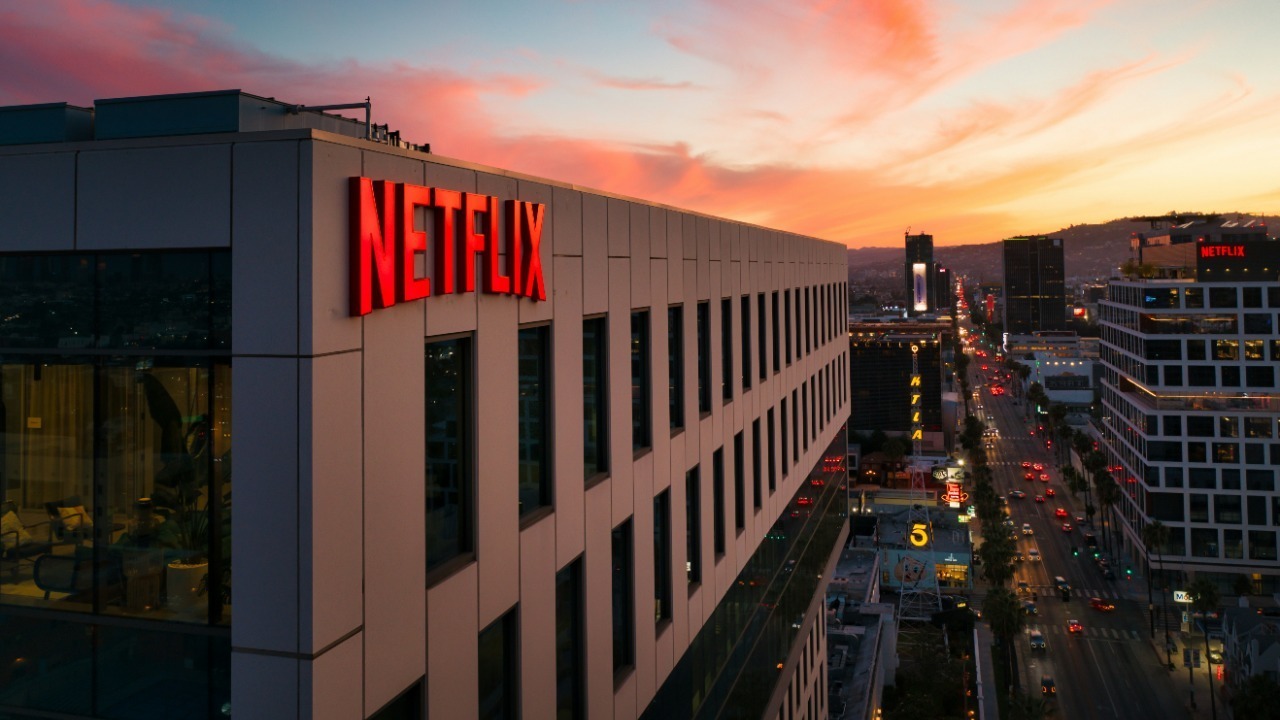
Netflix is no longer just another app on the smart‑TV home screen; it is the gravitational center of streaming. Its proposed $82.7 billion takeover of Warner Bros. Discovery, folding in HBO Max and HBO, would fuse two of the most powerful content machines in modern entertainment into a single gatekeeper. The question is not whether this would make Netflix bigger, but whether it would tilt television toward a new kind of monopoly power that regulators have been trying, and often failing, to contain.
At stake is more than who owns which superhero franchise or prestige drama. Control over what people watch increasingly shapes how they see politics, culture, and even themselves, turning streaming platforms into something closer to operating systems for attention. If one company ends up setting the default for that system, the impact will be felt by independent creators, rival services, and households already juggling rising subscription bills.
From streaming winner to would‑be empire
Netflix already sits in a commanding position before any merger papers are signed. It has about a third of all streaming subscribers worldwide, a share that gives it leverage over talent, distributors, and even device makers. Earlier this year the company signaled just how aggressively it plans to defend that lead, telling investors it could spend as much as $20 billion on content in the coming year, a figure that rivals the biggest legacy studios and dwarfs most digital competitors.
Layering Warner Bros., HBO, and Max on top of that base would not simply add more shows to a carousel. It would combine Netflix’s global subscriber scale with Warner Bros.’ deep library of films, HBO’s prestige series, and the live and cable assets of Warner Bros. Discovery into a single vertically integrated stack. Reporting on the proposed acquisition describes Netflix moving to buy Warner Bros, Discover and HBO in a deal valued at $82.7 billion, a price tag that signals how much it believes dominance is worth.
Antitrust alarms and the “one‑click cancel” defense
Regulators have noticed the scale of the ambition. Officials in Washington have launched an DOJ investigators, reaches into the company’s broader business operations.
Netflix’s response has been to argue that traditional monopoly logic does not apply in a world of apps and remotes. Co‑CEO Ted Sarandos has leaned on a simple line: the service is “one‑click cancel,” so if prices rise or quality falls, users can leave instantly. In congressional testimony he framed the merger as a way to give subscribers more content for less and pointed to YouTube’s dominance of TV viewing, citing Nielsen’s Gauge data, to claim that Netflix is only one player in a much larger attention market, a point echoed in his remarks about competition with YouTube on the living‑room screen.
That argument has limits. The ability to cancel does not erase market power if the best shows, sports rights, and franchises are concentrated behind a single login. In a separate appearance, Sarandos again stressed that users could walk away “with one click” if they felt the HBO merger made the service too expensive, a reassurance captured in his comments to lawmakers. Yet history with cable bundles suggests that once a provider controls enough must‑see content, consumers tolerate steady price hikes rather than give up access altogether.
How much power is too much in the living room?
To understand why this deal feels different, it helps to look at the living room from the viewer’s perspective. When a family sits down for movie night, they are not usually opening a browser and typing in a search term; they are clicking on the app that feels like television itself. As one analysis put it, Think of the way a household chooses between Netflix and YouTube: When they want a scripted series or film, they are not flipping to YouTube, and Conversely, when they want a DIY tutorial or short clip, they are not opening Netflix, a behavioral split described in recent coverage of how entertainment shapes culture.
Right now Netflix already dominates the subscription side of that equation, with roughly one third of global streaming customers and a plan to pour up to $20 billion into programming this year. Adding Warner Bros and HBO Max, which themselves control another large slice of premium viewing, would give the combined company a share of audience attention that critics warn could let it raise prices and stifle competition, a concern spelled out in analyses of the and its potential snowball effect.
Investors, valuation jitters, and the European wildcard
Markets have already started to price in both the upside and the regulatory risk. Netflix trades on the NASDAQ under the ticker NFLX, and its shareholders have endured a volatile stretch as the Warner Bros Discovery bet has come into focus. One investor note highlighted that Netflix, listed as NASDAQ: NFLX, has seen its stock move sharply while still targeting growth and a higher operating margin, with the shares recently up 1.76% on a day when management reiterated its long‑term profitability goals.
Other assessments have been blunter about the cost of empire‑building. A Quick Read on the deal noted that Netflix, identified as NFLX, saw its stock drop 39% from its mid‑2025 peak to around $82 as investors digested the $82.7 price tag for Warner Bros Discovery, a swing captured in recent market commentary. A separate valuation analysis pointed out that Netflix, again labeled as NFLX, now faces extensive U.S. and European scrutiny over its proposed US$82.7b acquisition of Warner Bro, raising questions about whether the company is overpaying for assets that regulators might force it to shed, a risk flagged in valuation research that emphasizes the $82 figure as a reference point for the current share price.
European regulators are likely to be a crucial check on how far Netflix can go. While U.S. antitrust law has often focused on consumer prices, European authorities have been more willing to intervene on questions of market structure and cultural diversity. The fact that the Warner Bro deal is drawing attention on both sides of the Atlantic, as noted in the same European‑focused analysis, suggests that Netflix may have to accept regional concessions, such as content quotas or licensing commitments, that blunt its ability to lock up rights on a global basis.
Culture, creators, and the risk of a new TV “operating system”
The most under‑examined impact of the merger sits far from Wall Street spreadsheets: what it would mean for the people who actually make shows and films. If Netflix controls both a massive subscriber base and the Warner Bros and HBO pipelines, independent filmmakers could find that the path to a global audience runs through a single buyer with enormous bargaining power. Critics have warned that When Netflix decided to buy Warner Bros, Discover and HBO in a $82.7 billion deal, the scale of the move matters because it could let one company act as the operating system of TV itself, a metaphor used in critiques of the that see the platform as a kind of default layer for culture.
More From The Daily Overview
*This article was researched with the help of AI, with human editors creating the final content.

Grant Mercer covers market dynamics, business trends, and the economic forces driving growth across industries. His analysis connects macro movements with real-world implications for investors, entrepreneurs, and professionals. Through his work at The Daily Overview, Grant helps readers understand how markets function and where opportunities may emerge.

