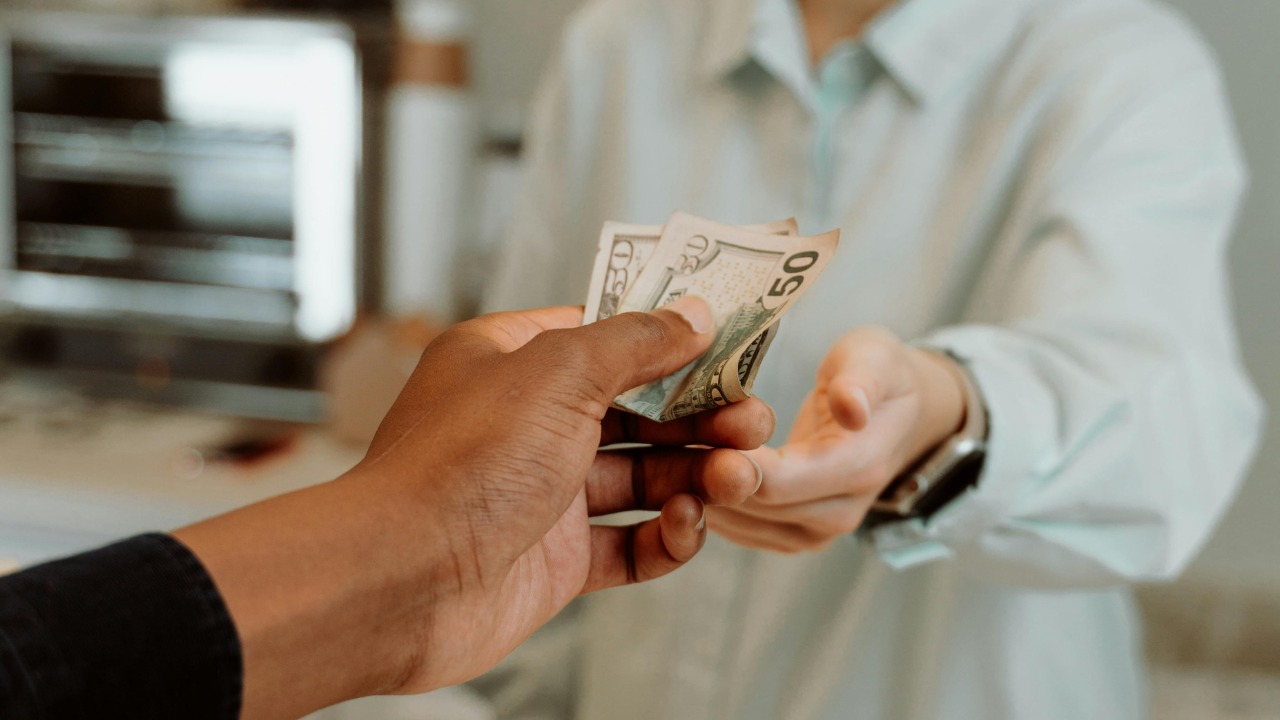
Lawmakers are weighing a new cash-acceptance rule that could reshape how big-box chains handle payments, potentially forcing large retailers that leaned into card-only self-checkout to make room for bills and coins again. For shoppers who have watched cash lanes disappear at Walmart and Costco, the proposal raises a simple but high-stakes question: will the law actually put cash back on equal footing with plastic and phones at the register.
I see this fight over cash as a proxy for something bigger, namely who gets to participate in the modern retail economy and on what terms. The coming debate over a cash rule will test how far policymakers are willing to go to protect in-person, low-tech payments in a marketplace that has been racing toward tap-to-pay and app-based checkout.
What the proposed ‘cash law’ would actually do
The core idea behind the new cash proposal is straightforward: if a store wants to sell you something, it should be prepared to accept physical money for it, at least up to a certain price point. Reporting on the measure describes legislation that would require retailers like Walmart, Target and Costco to accept cash for purchases of $500 or less, a threshold that would cover the vast majority of everyday shopping trips while still leaving room for different rules on big-ticket items such as high-end electronics or riding mowers, according to coverage dated Nov 20, 2025 that notes that SOME new legislation could require Walmart, Target, Costco to adjust checkout for smaller purchases. The proposal is framed as a response to a wave of card-only and tap-only setups, particularly at self-checkout, where customers often discover only at the last screen that cash is not an option.
Supporters of the measure argue that the law would not ban cards or mobile wallets, it would simply guarantee that cash remains one of the choices. Coverage dated Nov 21, 2025 describes how, as retailers such as Target, Walmart and Costco move toward self-checkout methods that often do not accept cash, lawmakers are pushing a requirement that any such system either take bills directly or be paired with a staffed lane that does, with one report explaining that retail warning signs: Target, Walmart and Costco are already on notice. Another account, also dated Nov 21, 2025, notes that Ohioans could soon be shopping under a rule that mirrors a federal push, describing how New legislation for Walmart and Costco would require any automated checkout to be backed by a person who can take cash.
Why Walmart and Costco moved away from cash in the first place
To understand why a cash mandate would be such a big shift, it helps to look at how aggressively large chains have optimized for cards and phones. Retailers have been candid that digital payments are faster to process, easier to audit and less vulnerable to theft from registers, which is why so many locations have quietly reduced the number of staffed cash lanes in favor of self-checkout pods that are built around card readers and tap-to-pay terminals. A detailed explainer on cashless business trends notes that operating without physical money can cut down on the time employees spend counting tills and making bank runs, and that mobile wallet point-of-sale transactions are expected to rise to 39% in 2025, which helps explain why chains have been so eager to lean into Apple Pay, Google Wallet and similar tools.
Walmart and Costco have not gone fully cashless, but their systems show how the balance has tilted. Walmart’s own help pages spell out how customers can load paper money into digital balances, describing how shoppers can use Walmart cash and related services to bridge the gap between bills and online or app-based purchases, which effectively nudges cash users into the company’s digital ecosystem. Costco, for its part, still accepts cash in its warehouses but wraps that privilege in membership rules, with its member conditions explaining that member privileges and conditions govern how and where payments are taken, including at fuel stations and specialty counters that may have different setups. In both cases, the direction of travel has been clear: fewer traditional lanes, more automation, and a strong preference for electronic payments that fit neatly into loyalty programs and data analytics.
The legal backdrop: no federal right to pay with cash
One reason the proposed law is getting so much attention is that, despite the “legal tender” language printed on every bill, there is currently no nationwide rule that forces stores to accept it. The Federal Reserve has been explicit on this point, explaining that there is no federal statute mandating that a private business, a person or an organization in the United States accept currency or coins as payment for goods or services, and that the phrase on the bills only guarantees that cash is valid for debts when tendered to a creditor, as clarified in a July 20, 2020 FAQ that asks, Is it legal for a business in the United States to refuse cash. That legal gap is what has allowed some coffee shops, stadiums and even small retailers to experiment with card-only policies without running afoul of federal law.
Fact-checkers have reinforced that point, noting that there is no federal law that requires businesses to accept cash payments and that private companies are generally free to set their own payment policies unless a state or local rule says otherwise, with one verification piece explaining that Private businesses are not legally required to accept cash. At the same time, some states and cities have already moved in the opposite direction, passing their own bans on cashless storefronts, and a February 28, 2024 analysis titled “Which States Have Cashless Bans” details how card-only policies have been controversial for years and how some jurisdictions have responded by requiring at least one cash option, while also noting that some businesses have even considered switching to only accepting cash as a counter-move, as described in a discussion of Which States Have Cashless Bans. The new proposal would effectively take that state-by-state patchwork and elevate a version of it into a broader standard.
The consumer backlash against cashless checkout
While retailers often frame cashless systems as a convenience, a growing share of customers see them as exclusionary or simply annoying. Critics point out that not everyone has a credit card, a bank account or a smartphone capable of running modern payment apps, and that even those who do may prefer the budgeting discipline that comes from handing over physical bills. A detailed August 20, 2024 essay titled “The Case for Cash” lays out how some shoppers feel left behind by card-only policies, arguing that cash remains essential for privacy, for people with limited access to banking and for those who have had bad experiences with overdraft fees, and it describes in depth why The Case for Cash is far from settled even as digital payments surge.
The frustration is not limited to policy papers or advocacy groups. Everyday shoppers have been venting online about being turned away when they try to pay with bills, or being forced into awkward workarounds like buying prepaid cards just to make a simple purchase. One widely shared post from Nov 9, 2022 on a popular forum bluntly labeled cashless businesses as “top tier BS,” arguing that there are multiple reasons companies want to go cashless, including lowering their exposure to crime, but insisting that There are multiple reasons businesses want to go cashless that do not justify shutting out people who rely on cash. That kind of grassroots anger is part of what has given political traction to the idea of a legal right to pay with paper money at mainstream retailers.
How a cash rule could change checkout at Walmart and Costco
If the proposed cash requirement becomes law, the most visible changes for shoppers would likely show up at self-checkout and in how stores staff their lanes. Reports on the legislation describe a framework where any automated system that does not accept cash directly would need to be paired with a person who can process a cash payment for the same items, which would effectively force chains to maintain staffed registers or redesign kiosks to take bills and coins for purchases of $500 or less, as highlighted in coverage that notes that New rules could force Walmart and Costco to take money the old-fashioned way. For Walmart, that could mean rethinking layouts where banks of card-only self-checkout machines dominate the front of the store, while for Costco it might require ensuring that every warehouse has enough staffed lanes open during busy hours to handle cash-paying members without long delays.
The operational impact would not be trivial. Chains that have spent years trimming labor costs and encouraging customers to scan their own items would need to budget for more cash-handling staff, invest in secure cash storage and potentially slow down the checkout process for some transactions. At the same time, the rule could ease pressure on customers who feel boxed out by digital-only setups, especially in places like Ohio where reports say Ohioans could soon be shopping under a state-level version of the rule that mirrors a federal push, with one account explaining that Ohioans could soon be shopping with a guaranteed cash option. For big-box retailers that have built their brands on serving everyone from budget-conscious families to small business owners, the political and reputational cost of resisting such a rule could end up being just as significant as the logistical headaches of complying with it.
More From TheDailyOverview
- Dave Ramsey warns to stop 401(k) contributions
- 11 night jobs you can do from home (not exciting but steady)
- Small U.S. cities ready to boom next
- 19 things boomers should never sell no matter what

Alex is the strategic mind behind The Daily Overview, guiding its mission to uncover the forces shaping modern wealth. With a background in market analysis and a track record of building digital-first businesses, he leads the publication with a focus on clarity, depth, and forward-looking insight. Alex oversees editorial direction, growth strategy, and the development of new content verticals that help readers identify opportunity in an ever-evolving financial landscape. His leadership emphasizes disciplined thinking, high standards, and a commitment to making sophisticated financial ideas accessible to a broad audience.

