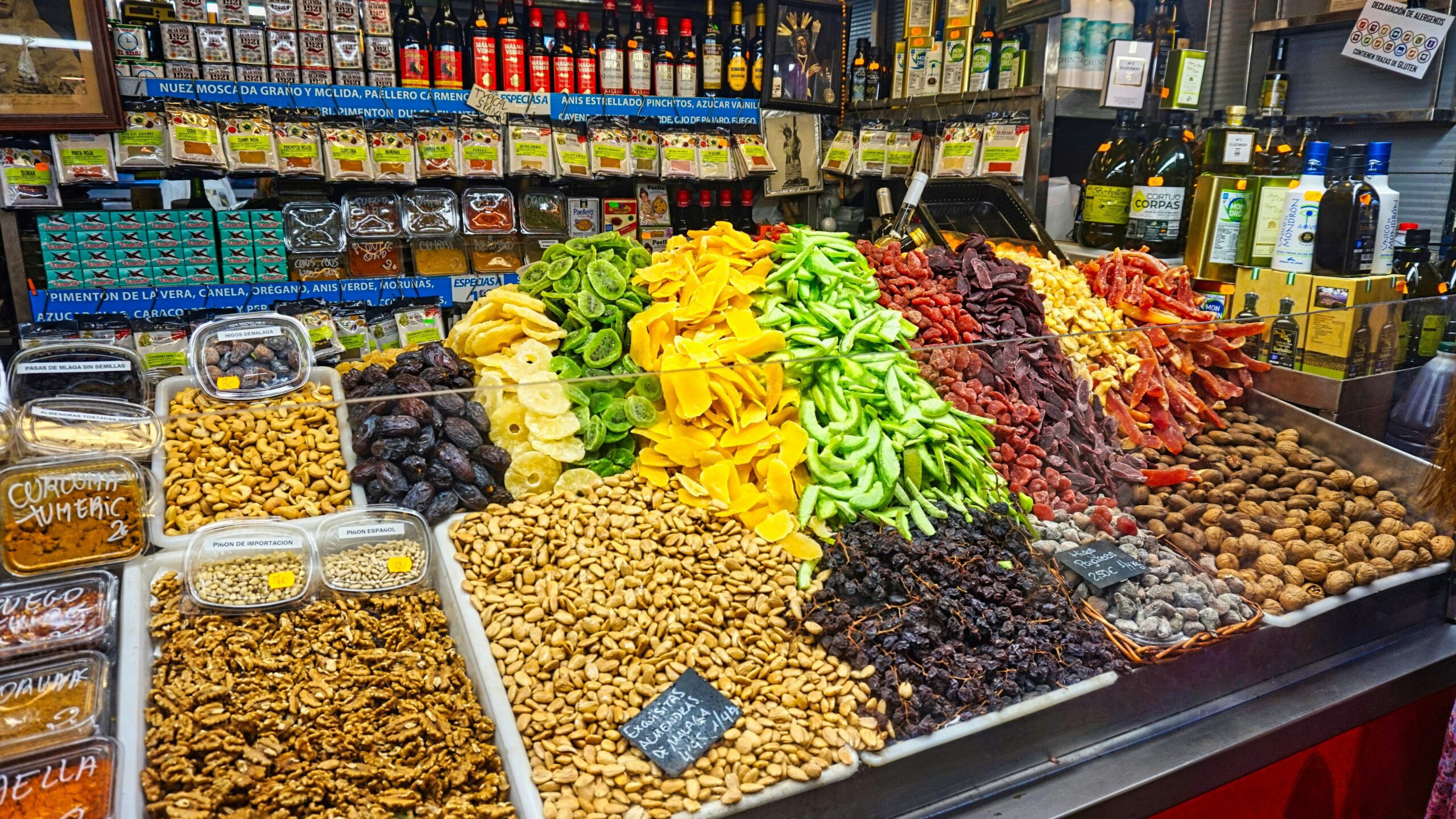
American households are quietly rewriting their budgets as food inflation eats up a larger share of every paycheck. New data shows that even as headline inflation cools, the cost of feeding a family is still rising fast enough to force trade offs on everything from dining out to debt payments. The shift is subtle but profound, and it is reshaping how people shop, save and spend.
Behind the aggregate numbers is a story of squeezed grocery carts, shrinking restaurant tabs and a widening gap between those who can absorb higher prices and those who cannot. I see a pattern emerging in which food costs are no longer just another line item, but the anchor that dictates what is left for housing, transportation and even basic financial security.
The stubborn reality of higher food prices
Official forecasts show that the pressure on household food budgets is not going away. The Food Price Outlook from the ERS indicates that in 2026, overall food prices are expected to keep rising, even after several years of elevated inflation. That means families who already adjusted to more expensive staples in 2024 and 2025 are facing another year in which their paychecks buy less at the supermarket. The ERS notes that typical grocery baskets have effectively decreased in size since 2019, a quiet form of belt tightening that shows up as smaller portions, cheaper ingredients and fewer treats.
Fresh inflation data underscores how persistent this trend has become. Government figures show that while overall price growth has steadied, Grocery prices are still climbing, with food at home costs up 2.4% over the past year. Separate industry data finds that food price inflation has increased since the midpoint of 2025, with food at home prices up in the range of 1.9 to 2.7% year over year, while food away from home is rising closer to 3.0%. Even if those percentages look modest on paper, they are layered on top of earlier spikes, including an 11.4 percent surge in food prices in a single year that Jan reporting highlighted as a turning point for household budgets.
How households are reshuffling their spending
Faced with this steady grind, consumers are not standing still. Survey data shows that nearly 9 in 10 Americans have altered their grocery routines because of inflation, with 88% saying they have “Changed Grocery Shopping Habits Due” to higher prices. People report buying more store brands, chasing promotions more aggressively and cutting back on nonessential items. In practical terms, that can mean swapping fresh berries for frozen, choosing bulk rice over specialty grains or abandoning premium coffee for a cheaper tin, all in an effort to keep the total at the register from creeping higher every week.
The ripple effects extend beyond the supermarket aisles. Newly released industry data shows that as food prices climb, Americans are cutting back on restaurant visits and shifting more meals back home. A Buyers Edge Platform report summarized in that analysis points to a clear pattern: higher menu prices and rising input costs are pushing diners to trade sit down meals for cheaper takeout or home cooking. When food away from home is rising faster than groceries, the math nudges families toward their own kitchens, even if that means more time spent planning meals and less spent on leisure.
A K shaped squeeze on the middle and working class
The burden of food inflation is not evenly shared. Data from Bank of America shows that the top 5% of consumers drove the bulk of overall spending gains through late 2025, a hallmark of what economists describe as a K shaped economy. High income households, buoyed by strong asset markets and savings cushions, have largely maintained or even increased their discretionary spending. For them, higher grocery bills are an annoyance rather than a crisis, something that can be absorbed by trimming a vacation or delaying a luxury purchase.
For everyone else, the rising cost of basic necessities is far more destabilizing. Separate analysis warns that The rising cost of food and energy could widen the gap between the well off and the rest, as lower and middle income families devote a larger share of their income to groceries, utilities and gas. When a bigger slice of the paycheck is locked into essentials, there is less room for savings, debt repayment or investments in education and small business. That dynamic helps explain why many households report feeling worse off even as headline inflation cools and the broader economy continues to grow under President Trump.
Emotional strain at the checkout line
The numbers only tell part of the story. On the ground, the experience of food inflation is intensely personal, especially for those already living close to the edge. A survey of American households captured the mounting anxiety, noting that “For the” most vulnerable families, the squeeze at the grocery store has become “that much more dire.” Respondents described skipping meals, relying more heavily on food banks and feeling that some companies were using the moment to boost their profits. Those perceptions, whether or not they match every balance sheet, feed a sense of unfairness that is hard to quantify but easy to hear in conversations at food pantries and community centers.
That emotional strain is amplified by the mixed signals in the broader economy. According to Your Money coverage of recent inflation data, Americans ended 2025 feeling down about the economy even as gas prices eased and some other categories stabilized. When people see relief at the pump but continued sticker shock in the dairy aisle, it can feel as if the recovery is passing them by. That disconnect helps explain why food prices remain a top concern among voters, shaping how they view both national policy and their own financial prospects.
Policy claims, political stakes and what comes next
The politics of food inflation are becoming just as fraught as the economics. President Trump has repeatedly pointed to cooling headline inflation as evidence that his economic approach is working, but grocery price data is increasingly out of step with that narrative. Analysts note that food prices are rising at their fastest monthly pace since earlier in his term, defying claims that the inflation fight is effectively over. When official statistics show annual inflation at 2.7% while shoppers see their weekly food bill jump by far more, trust in those numbers can erode quickly.
Looking ahead, the outlook suggests more pressure rather than less. Industry forecasts indicate that Grocery shopping will be more expensive in 2026, with some projections that prices will rise 3% this year. At the same time, analysts warn that extreme weather and higher input costs could keep food inflation elevated, particularly if temperatures cause crop losses worldwide as highlighted in the USA TODAY coverage of broader price trends. As I see it, the central challenge for policymakers is no longer just bringing down the overall inflation rate, but directly addressing the specific pain of food costs that are forcing millions of households to rethink how, and whether, they can afford to eat the way they used to.
More From TheDailyOverview
*This article was researched with the help of AI, with human editors creating the final content.

Grant Mercer covers market dynamics, business trends, and the economic forces driving growth across industries. His analysis connects macro movements with real-world implications for investors, entrepreneurs, and professionals. Through his work at The Daily Overview, Grant helps readers understand how markets function and where opportunities may emerge.

