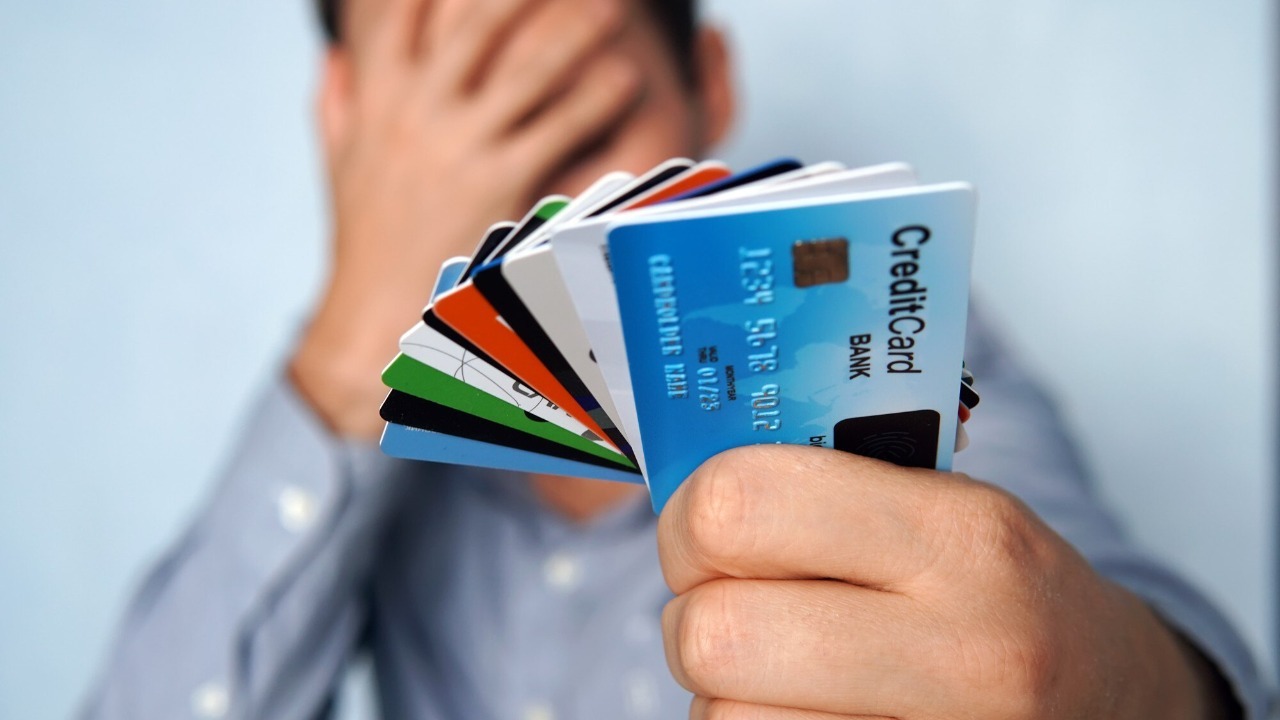
Criminals have quietly turned everyday debit cards into a direct pipeline to people’s checking accounts, using tactics that are harder to spot and faster to cash out than traditional card theft. Instead of dramatic one-time hits, many of the newest schemes rely on small, repeated withdrawals and charges that can drain an account before the victim realizes anything is wrong. I am seeing a pattern emerge in recent cases: scammers are moving closer to our homes, our phones, and even our pockets, exploiting the convenience features that banks and tech companies have spent years promoting.
What makes this wave especially dangerous is how ordinary it looks. A package on the porch, a tap-to-pay at a grocery store, a call that appears to come from your bank’s fraud department, all can be weaponized to siphon money in the background. By the time a customer spots the damage, the trail is often scattered across delivery services, spoofed phone numbers, and anonymous digital wallets.
How the new debit card schemes actually work
The most brazen twist involves criminals literally camping out at people’s front doors. As the reporting on a recent porch-based scheme shows, scammers intercept replacement cards or new debit cards mailed by banks, then activate them using stolen personal data and quietly start pulling money from the victim’s account. In one breakdown of the trend, the latest debit card scam is described as a methodical operation in which thieves wait for deliveries, grab the envelope, and then use the card details to move funds directly from the victim’s bank account, a pattern detailed in coverage of the latest debit card scam. A companion report underscores how this tactic upends the usual image of card fraud, noting that when people think of debit card scams they often picture stolen wallets or hacked ATMs, not criminals staking out a porch to capture a single envelope and then draining money from the victim’s bank account, a shift highlighted in coverage that opens with the phrase When you think of debit card scams.
At the same time, phone-based “vishing” attacks are evolving into highly automated, AI-assisted cons that target debit card holders directly. A recent warning about a new vishing scam, dated Oct 20, 2025, describes how callers spoof bank numbers, reference real transactions, and pressure people into handing over one-time passcodes or full card details, with the video bluntly noting that if you have a cell phone and a bank account you need to know about this right now, a scenario laid out in the clip labeled with Oct 20, 2025. In parallel, federal and private experts are tracking a broader three-phase pattern in which criminals first gather data, then build trust through convincing outreach, and finally trigger rapid withdrawals, a structure described in a report where the FBI and cybersecurity experts warn of a 3-phase scam that is draining bank accounts, with journalist Jeremy Tanner detailing how the scheme unfolds.
From ghost-tapping to skimmers: the quiet drain on everyday transactions
Beyond the front door and the phone, scammers are exploiting the very tap-to-pay features that many consumers now use by default. Security researchers have flagged a “ghost-tapping” technique that targets payment card users through their smartphones, where malicious apps or compromised devices can trigger unauthorized tap-style transactions that slowly drain their accounts in the background. A recent technology report explains how Advanced Android scam detection tools are being promoted to protect users from toll, crypto and other stealthy charges, and notes that safeguarding your phone and personal data has become essential as these ghost-tapping transactions slowly drain their accounts, a warning that underscores how invisible these losses can be until a statement arrives.
Old-school hardware tricks are also getting more sophisticated. Federal banking regulators have been reminding consumers that skimming devices at ATMs and gas pumps remain a major source of stolen debit data, with criminals using card-reader overlays that sit on top of legitimate terminals and PIN-capture overlays that record keystrokes. One advisory, dated Aug 14, 2023, walks through the different kinds of skimming devices and what to look for, emphasizing that Card-reader overlays and PIN-capture overlays can be spotted if they look loose or out of place, with the guidance framed as a reminder that Aug is still peak season for travel and ATM use and that Here are the signs to watch for.
Why debit cards are uniquely exposed, and how to fight back
Debit cards plug directly into checking accounts, which means fraud hits real money, not a credit line, and the legal protections are more time sensitive. Consumer banking guidance updated on Nov 21, 2024, stresses that the stakes are high with debit cards because if you act quickly, your debit card fraud liability is limited to $50, but delays can leave victims covering much larger losses out of pocket. That same analysis, published in Nov, explains that the federal rules around unauthorized transfers make speed critical, and it frames the question “Are Debit Cards Protected From Fraud” as a reminder that protections exist but only if customers report theft quickly.
Experts also point out that the way criminals get card data is changing. A set of Key Takeaways from the same Nov 21, 2024 guidance notes that Thieves can obtain your debit card information by skimming your card, breaching your data or accessing online accounts, and it urges people to secure their physical card and digital credentials. That advice dovetails with a separate security primer dated Oct 9, 2024, which tells readers that How To Protect Your Debit Card From Being Hacked starts with basic steps like using strong passwords and avoiding public Wi-Fi, and it frames the guidance directly to You as the person who can either reduce or increase the odds of becoming a victim to debit card fraud.
The practical playbook: monitoring, tech hygiene and saying no
For everyday customers, the most effective defense is often unglamorous: watch your accounts, lock down your devices, and refuse to act under pressure. One bank’s fraud-prevention guide, dated Dec 9, 2024, lays out a straightforward checklist under the banner of How to Protect Yourself from Debit Card Fraud, urging customers to check their transactions regularly, set up alerts, and report anything suspicious immediately. The same resource emphasizes that Here is how to start: Keep an eye on your accounts, avoid sharing card details over the phone or text, and use secure ATMs in well-lit, monitored locations, advice that aligns with the broader push to make basic account hygiene a daily habit rather than a reaction to a crisis.
High-profile cases show what happens when those habits break down. A recent investigation into a sophisticated bank scam describes how victims saw their life savings vanish in seconds after responding to what looked like legitimate messages and calls, with one section detailing Chase Bank‘s tips for avoiding imposter scams, including a blunt reminder: do not respond to phone, text or internet requests for money or account access that you did not initiate. The same report, dated Oct 26, 2025, frames those recommendations with the simple prompt Here are the steps to take, echoing the broader message from banks and regulators alike that saying no, hanging up, and calling back on a verified number is no longer rude, it is essential self-defense in an era when Oct headlines are filled with stories of accounts emptied in minutes.
More From TheDailyOverview
- Dave Ramsey says these two simple questions show whether you’re rich or poor
- Retired But Want To Work? Try These 18 Jobs for Seniors That Pay Weekly
- IRS raises capital gains thresholds for 2026 and what’s new
- 12 ways to make $5,000 fast that actually work

Grant Mercer covers market dynamics, business trends, and the economic forces driving growth across industries. His analysis connects macro movements with real-world implications for investors, entrepreneurs, and professionals. Through his work at The Daily Overview, Grant helps readers understand how markets function and where opportunities may emerge.