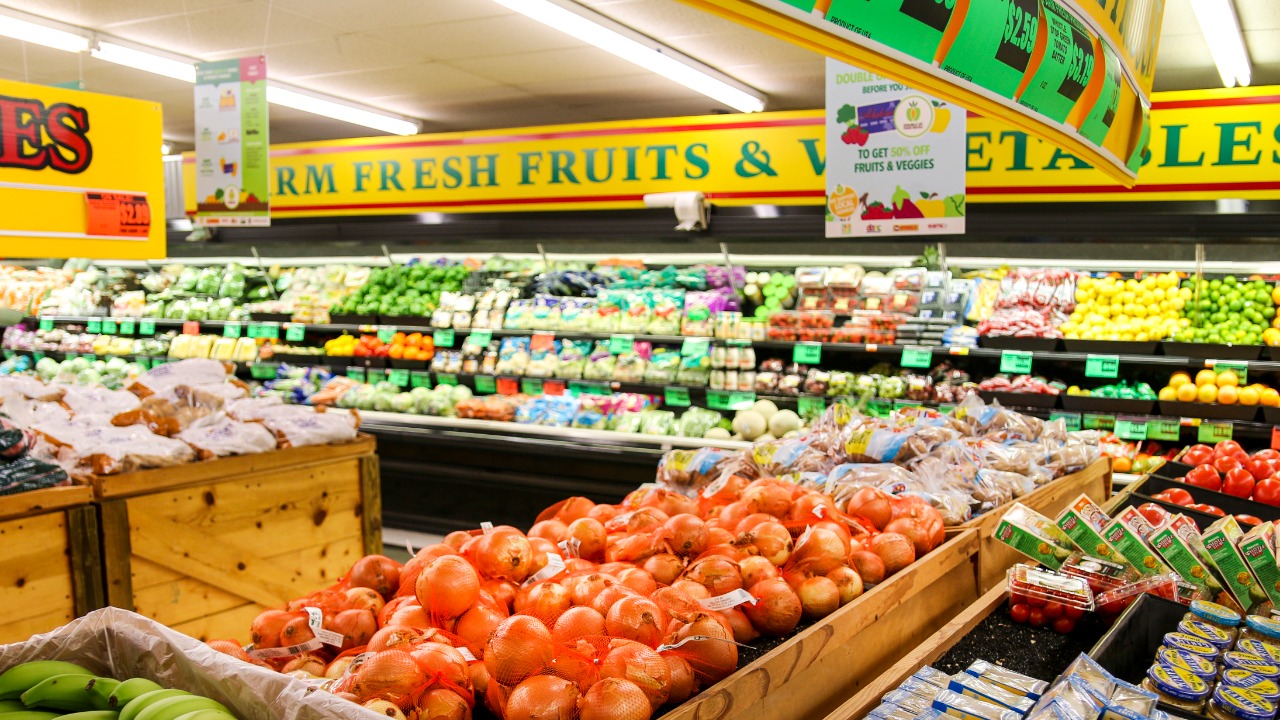
A sweeping new grocery law is about to change how millions of Americans shop, from the brands they see on shelves to the way they pay at the register. Instead of quiet tweaks at the margins, lawmakers have approved a package that touches prices, data privacy, labor rules, and even the design of supermarket apps, setting up a rare, systemwide reset of the food retail business.
I see the stakes as unusually high: groceries are the largest recurring expense for many households, and the new rules will ripple through every link in the chain, from farm suppliers to delivery drivers. The result will not be a single overnight shock but a series of visible shifts in store layouts, loyalty programs, and online ordering that shoppers will feel over the next several years.
What the new law actually does to grocery stores
The core of the new statute is a set of national standards for how grocery chains set prices, promote products, and handle customer data, replacing the patchwork of state-level rules that had grown increasingly hard for retailers to navigate. Lawmakers framed the measure as a way to curb opaque fees and aggressive data harvesting in a sector where most shoppers have little choice but to accept whatever terms their local store offers. The law requires clearer disclosure of digital coupon conditions, tighter limits on “drip” fees in delivery and pickup orders, and baseline privacy protections for loyalty program data, which had become a lucrative side business for large chains according to industry privacy analyses.
At the same time, the law reaches behind the storefront to regulate how big retailers negotiate with suppliers, particularly around so‑called “slotting fees” and exclusive placement deals that determine which brands get eye‑level space. Legislators argued that unchecked bargaining power at the top of the market was squeezing smaller producers and ultimately narrowing consumer choice, a concern echoed in recent antitrust reviews of the grocery sector. By capping certain fees and requiring more transparent contracts, the statute aims to open shelf space to more competitors, even as it forces large chains to rethink a business model that has long relied on these payments as a quiet profit center.
Why lawmakers moved now, after years of rising food prices
The timing of the law is not accidental. Food prices have climbed sharply over the past several years, and while inflation has cooled from its peak, many staples remain significantly more expensive than before the pandemic. Public frustration over “greedflation” in the grocery aisle, fueled by reports that some chains expanded margins even as households struggled, created a rare bipartisan opening for intervention. Detailed pricing studies, including one that tracked supermarket margins across thousands of items, found that profits in some categories rose faster than input costs, reinforcing the sense that market power, not just global shocks, was at work in the checkout total according to pricing research.
Lawmakers also faced mounting evidence that consolidation in food retail had concentrated power in a handful of national players, giving them outsized influence over suppliers and local labor markets. Federal competition officials had already raised alarms about proposed mergers among major chains, warning that fewer competitors could mean higher prices and fewer options in many communities, particularly in rural and low‑income urban areas. Those concerns, documented in recent enforcement filings, helped shift the debate from whether to regulate to how aggressively to intervene. The new law stops short of blocking specific deals, but it embeds competition concerns into everyday practices like supplier contracts and data‑driven promotions, effectively turning the grocery aisle into a frontline for broader economic policy.
How the rules will change prices, promotions, and “junk fees”
For shoppers, the most immediate change will likely show up in how prices and promotions are displayed, especially online. The law requires that advertised discounts reflect the full cost of an item, including mandatory service charges in delivery and pickup orders, and it bars retailers from burying key conditions in fine print. That means the familiar experience of clicking on a “$5 off” digital coupon only to discover a maze of exclusions and add‑on fees should become less common, a shift consumer advocates had pushed for in detailed complaints about misleading promotions.
The statute also targets “junk fees” that had crept into grocery e‑commerce, such as vague “order processing” charges that appeared late in the checkout flow. Retailers will still be allowed to charge for delivery or premium services, but they must disclose those costs upfront and label them clearly, a standard modeled on broader efforts to clean up hidden fees in travel and ticketing. Analysts who studied the impact of similar transparency rules in other sectors found that while some headline prices rose slightly, the total cost to consumers often fell because companies could no longer rely on surprise add‑ons to pad revenue, a pattern documented in regulatory impact assessments. If that dynamic holds, grocery bills may become more predictable even if the sticker price on individual items does not drop overnight.
What it means for loyalty programs, data tracking, and privacy
The law’s data provisions could quietly reshape one of the most powerful tools in modern retail: the loyalty program. For years, supermarkets have encouraged shoppers to scan membership cards or apps at checkout, trading discounts for detailed records of what each household buys, how often, and at what price. That information has fueled a booming market in targeted advertising and personalized pricing, with some chains building entire analytics businesses on top of their transaction data, as outlined in recent market research. The new rules do not ban loyalty programs, but they require explicit consent for certain uses of purchase histories and give customers clearer options to limit data sharing with third parties.
In practice, I expect this to blunt some of the most aggressive forms of individualized pricing, where two shoppers might see different offers for the same item based on algorithmic predictions of what they will tolerate. The law pushes retailers toward more transparent tiers of discounts and restricts the sale of identifiable purchase data to outside brokers, a practice that had raised alarms among privacy advocates who documented how grocery records could reveal sensitive information about health conditions, religious observance, or financial stress in privacy risk reports. Retailers will still be able to use aggregated data to plan inventory and promotions, but the balance of power over who profits from a family’s weekly shopping list will tilt modestly back toward the customer.
Impact on workers, from cashiers to warehouse staff
Behind the scenes, the law introduces new labor standards that will affect hundreds of thousands of grocery workers, particularly in large chains and their logistics networks. It sets minimum notice periods for schedule changes, limits the use of on‑call shifts without compensation, and strengthens protections for workers who raise safety concerns in warehouses and distribution centers. These provisions reflect years of organizing by grocery employees and unions, which documented erratic scheduling and high injury rates in detailed workplace surveys, especially as retailers leaned on just‑in‑time staffing and rapid fulfillment to support online orders.
For shoppers, the labor rules may translate into more stable staffing at peak times and potentially fewer abrupt closures of service counters, but they could also add cost pressures for employers. Some chains have already warned investors that tighter scheduling rules and higher compliance costs could squeeze margins, particularly in low‑price formats that compete heavily on cost per item, according to recent earnings disclosures. Whether those costs are absorbed through efficiency gains or passed on through higher prices will vary by market, but the law effectively ends the era in which labor flexibility was treated as a limitless lever for cutting expenses in food retail.
How online grocery, delivery apps, and dark stores will adapt
The statute devotes an entire section to online grocery and third‑party delivery platforms, recognizing that a growing share of food spending now flows through apps rather than traditional checkout lanes. It clarifies that core consumer protections, including price transparency and refund rights, apply equally whether a shopper orders through a supermarket’s own website or a marketplace app like Instacart or DoorDash. That closes a loophole that had left some customers caught between retailers and platforms when orders went wrong, a problem documented in complaint data showing disputes over missing items, substitutions, and fees.
The law also tightens zoning and reporting rules for so‑called “dark stores” and micro‑fulfillment centers, which had proliferated in some cities as retailers raced to offer rapid delivery. Local officials had raised concerns that these facilities, often tucked into former storefronts, were reshaping neighborhoods without clear oversight, a trend analyzed in urban planning studies. Under the new framework, operators must disclose more information about traffic, noise, and labor practices, and they face limits on using residentially zoned properties for high‑volume fulfillment. That will not halt the shift toward online grocery, but it will force companies to integrate their digital operations more transparently into the communities they serve.
Small grocers, rural communities, and the risk of unintended fallout
While the law is aimed primarily at large chains, its requirements will reach smaller grocers as well, raising concerns about compliance burdens in rural and low‑margin markets. Independent store owners have warned that new reporting and data‑security standards could be particularly challenging for shops that lack dedicated legal or IT staff, a worry echoed in testimony from small retailers. The statute includes phased timelines and technical assistance grants for businesses below certain revenue thresholds, but the practical question is whether those supports will be enough to prevent further closures in areas already at risk of becoming food deserts.
At the same time, some provisions could help level the playing field for independents. Limits on slotting fees and exclusive supplier deals may make it easier for smaller stores to access popular brands on comparable terms, while standardized digital coupon rules could reduce the advantage of chains with sophisticated app ecosystems. Analysts who modeled the law’s impact on market concentration projected modest gains for regional players in certain categories, particularly fresh produce and specialty items, according to competition modeling. The outcome will likely vary by region, but the law underscores a broader policy shift: treating access to a reasonably competitive grocery market as a public interest, not just a private business matter.
What shoppers should expect in stores over the next year
For everyday customers, the rollout will feel less like a single switch flipping and more like a series of incremental changes layered on top of one another. In the near term, I expect to see updated signage around digital deals, clearer breakdowns of delivery and service fees in checkout flows, and more prominent privacy notices in apps and at loyalty program enrollment points. Retailers are already testing revised layouts that highlight standardized unit pricing and simplify promotional tags, a shift that mirrors recommendations from consumer behavior research showing that clearer information can meaningfully change how people compare products.
Over a longer horizon, the law could subtly reshape the mix of brands and formats on shelves. As supplier contracts adjust to new rules on fees and exclusivity, some categories may see an influx of smaller or regional brands, while others consolidate around a few players that can absorb the compliance costs. Shoppers may also notice changes in how often they are prompted to share data or opt into personalized offers, as retailers recalibrate their digital strategies to stay within the new privacy lines. The overall effect will not be a revolution in what a grocery store looks like, but a gradual tightening of the rules that govern the relationship between the person pushing the cart and the companies vying for space in it, a dynamic that early implementation reports from pilot markets have already begun to document in implementation case studies.
The bigger picture: groceries as a test case for consumer policy
Beyond the aisles, I see this law as a test of how far policymakers can go in reshaping everyday markets without triggering a backlash from businesses or voters. Groceries sit at the intersection of several hot‑button issues, including inflation, data privacy, labor standards, and antitrust enforcement, and the statute weaves all of them into a single regulatory fabric. If the experiment succeeds in delivering more transparent pricing, stronger privacy protections, and fairer competition without driving a noticeable spike in food costs, it will strengthen the case for similar interventions in other consumer sectors, a possibility already floated in policy discussion papers.
There is, however, a real risk that the law’s complexity could blunt its impact or create new loopholes faster than regulators can close them. Retailers and suppliers are already hiring compliance teams and consultants to interpret the rules, and history suggests that sophisticated players will look for ways to preserve profitable practices within the letter of the law. Early oversight will matter: agencies tasked with enforcement will need the resources and political backing to respond quickly to emerging workarounds, drawing on detailed market data and shopper complaints like those compiled in consumer complaint databases. For now, what is clear is that the weekly grocery run, long treated as a purely private transaction, has become a central arena for public debates about fairness, power, and the cost of living.
More From TheDailyOverview
- Tennessee loses $2.6B megafactory and faces major layoffs
- Retired But Want To Work? Try These 18 Jobs for Seniors That Pay Weekly
- What to do with your pennies after the U.S. stops minting them
- Home Depot CEO warns of a troubling customer trend in stores

Silas Redman writes about the structure of modern banking, financial regulations, and the rules that govern money movement. His work examines how institutions, policies, and compliance frameworks affect individuals and businesses alike. At The Daily Overview, Silas aims to help readers better understand the systems operating behind everyday financial decisions.

