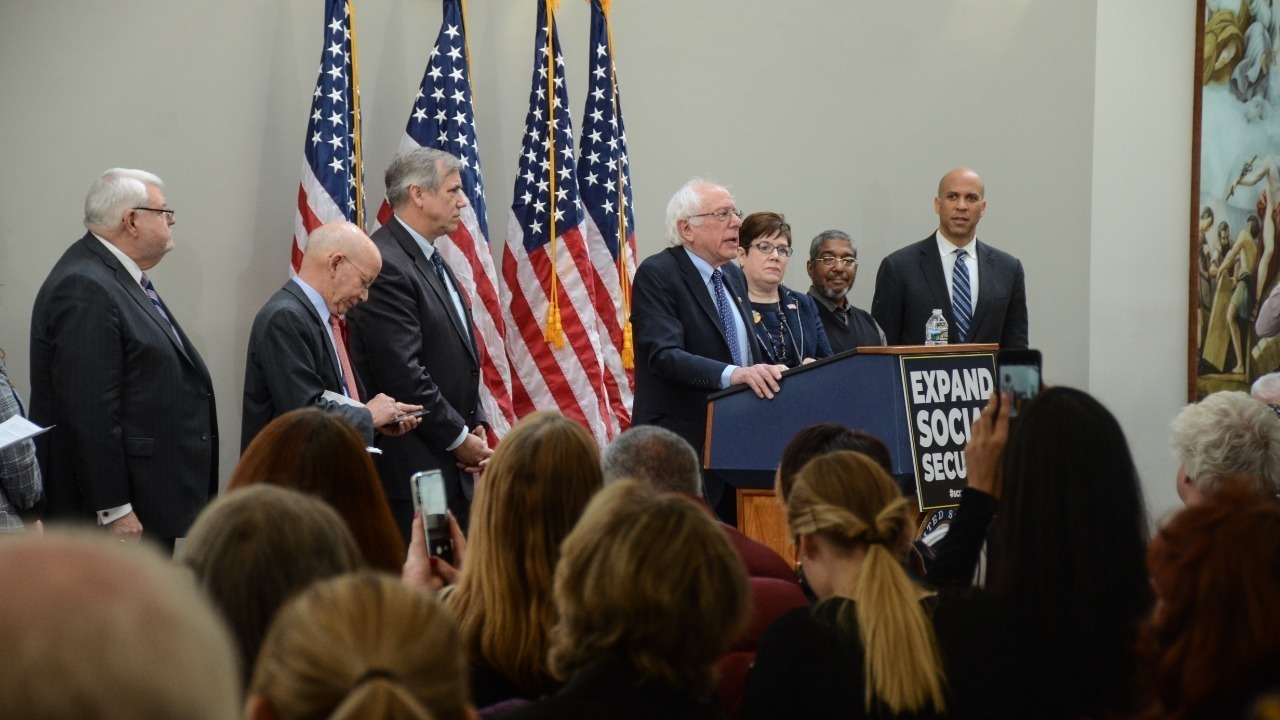
A new proposal in the Senate could significantly increase Social Security benefits, offering an additional $200 per month to recipients. This legislative effort, if passed, aims to provide larger checks starting in 2026, addressing the financial strain many Americans face due to inflation and rising living costs. As discussions around cost-of-living adjustments continue, this proposal promises substantial relief to millions relying on Social Security payments.
Proposal Overview
The core of the Senate proposal is a straightforward $200 monthly increase for all Social Security recipients. This increase is designed to supplement existing benefits without altering the standard cost-of-living adjustment process. The proposed congressional bill outlines this flat increase, aiming to provide immediate financial relief to beneficiaries. The timeline for implementation suggests that, if approved, the increase could be reflected in payments as early as 2026. This timeline is crucial as it aligns with ongoing economic challenges, ensuring that recipients receive timely support. Investopedia highlights the bill’s intent to address the gap between current benefits and the rising cost of living, ensuring that the increase supplements rather than replaces existing adjustments.
The proposal’s design reflects a commitment to maintaining the integrity of the Social Security system while providing necessary enhancements. By focusing on a universal increase, the bill aims to deliver equitable support across all demographics of recipients. This approach ensures that the increase is not only substantial but also consistent, offering a predictable boost to monthly incomes. The proposal’s simplicity in implementation could facilitate smoother legislative approval and integration into the existing benefits framework. The Statesman reports that this initiative is part of a broader strategy to enhance financial security for retirees and disabled individuals, reflecting a proactive response to economic pressures.
Legislative Background
The introduction of this legislation comes as a direct response to mounting economic pressures, including inflation and the increasing cost of living. The bill has garnered attention for its potential to provide immediate relief to Social Security recipients, a demographic particularly vulnerable to economic fluctuations. According to The Hill, the proposal has been championed by key Senate figures who recognize the urgent need for enhanced support mechanisms within the Social Security framework.
The Senate’s role in advancing this bill is pivotal, as it reflects a broader legislative effort to address financial insecurity among older and disabled Americans. The proposal has attracted support from various lawmakers who see it as a necessary step in safeguarding the economic well-being of millions. This initiative is not isolated; it builds on previous attempts to adjust benefits, highlighting a continued commitment to refining and improving the Social Security system. Economic Times notes that the bill’s progression through the Senate will be closely watched, as it could set a precedent for future enhancements to social welfare programs.
Impact on Recipients
The proposed $200 increase would significantly impact the average monthly Social Security checks, providing a much-needed boost to retirees and disabled individuals. This increase would not only enhance financial stability but also offer broader relief amid rising inflation. The proposal targets an extra $200 per month, which could make a substantial difference in the daily lives of recipients, allowing them to better manage expenses and improve their quality of life. MassLive emphasizes the universal applicability of this increase, ensuring that all current beneficiaries would benefit if the bill is enacted.
The financial relief provided by this proposal is particularly significant given the current economic climate. As inflation continues to erode purchasing power, the additional $200 per month could help recipients cover essential costs such as healthcare, housing, and food. This increase is designed to be inclusive, applying to all Social Security beneficiaries, thereby maximizing its impact across diverse recipient groups. By addressing the immediate financial needs of recipients, the proposal aims to enhance overall economic security and stability for millions of Americans. Investopedia highlights the potential for this increase to alleviate financial stress and improve the standard of living for those who rely heavily on Social Security benefits.
Path to Approval and Challenges
The legislative process for this proposal involves several steps, including committee reviews and votes, before it can become law by 2026. This path to approval is crucial, as it determines the timeline and feasibility of implementing the proposed increase. The process requires careful navigation of political dynamics and potential opposition, which could pose challenges to the bill’s advancement. The Statesman outlines the necessary steps for the bill’s passage, emphasizing the importance of securing broad support to overcome potential hurdles.
Funding sources and political opposition are among the primary challenges facing the proposal. Ensuring adequate funding for the increase is essential to its sustainability and success. Additionally, garnering bipartisan support is critical to navigating the legislative landscape and securing the bill’s passage. Recent reporting from The Hill suggests that public support campaigns and strategic amendments could play a vital role in advancing the proposed increase. By addressing these challenges head-on, proponents of the bill aim to ensure its successful implementation and long-term viability.
More From TheDailyOverview
- Dave Ramsey warns to stop 401(k) contributions
- 11 night jobs you can do from home (not exciting but steady)
- Small U.S. cities ready to boom next
- 19 things boomers should never sell no matter what

Nathaniel Cross focuses on retirement planning, employer benefits, and long-term income security. His writing covers pensions, social programs, investment vehicles, and strategies designed to protect financial independence later in life. At The Daily Overview, Nathaniel provides practical insight to help readers plan with confidence and foresight.

