
The recent announcement that 2.6 million UK savers will be affected by a savings tax hike has caused considerable concern among taxpayers. With the government looking to increase revenue and avoid breaching budget rules, this change could have widespread financial implications for individuals holding savings accounts.
Understanding the Savings Tax Increase
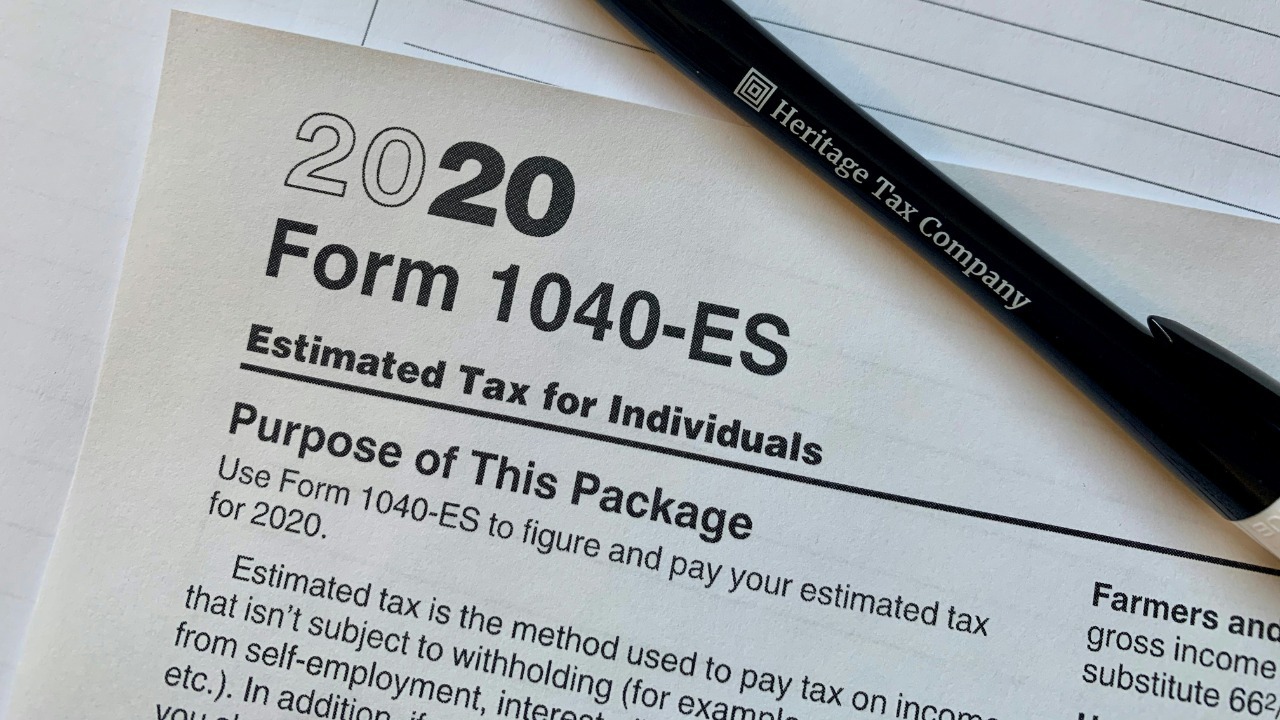
The new savings tax policy represents a significant shift in the UK’s fiscal landscape. Unlike previous tax structures where a significant portion of savings interest was tax-exempt, the revised policy mandates a higher tax rate on interest earned from savings accounts. This means that more savers will now find themselves surpassing the tax-free savings allowance, leading to a greater tax liability. The introduction of this tax has been positioned as a necessary adjustment to align with current economic demands.
The government’s rationale for implementing this tax increase is rooted in several pressing economic issues. With rising inflation and increasing public spending, there is a pressing need to bolster national revenue streams. The savings tax has been identified as a viable option to create additional income for the government, helping to alleviate some of the fiscal pressures it faces. Despite the rationale, the impact on individual savers is expected to be significant. Many may experience financial strain, particularly those who rely heavily on interest income from savings. This could lead to a shift in savings behavior as individuals seek out more tax-efficient methods of managing their finances.
Economic Context and Government Strategy

Currently, the UK is grappling with a number of economic challenges. Inflation remains a persistent issue, eroding the purchasing power of consumers and complicating fiscal policy decisions. At the same time, the government is tasked with managing public spending in a way that supports economic recovery without exacerbating the national debt. These pressures have made revenue generation a priority, leading to the consideration of various tax increases, including the savings tax.
The government’s budgetary concerns are further compounded by the need to adhere to budget rules. Failure to comply with these rules could have severe repercussions, including reduced investor confidence and potential downgrades in the country’s credit rating. While the savings tax is one strategy to avoid these pitfalls, it is not without criticism. Potential alternatives, such as broadening the tax base or reducing certain government expenditures, have been debated as ways to increase revenue without disproportionately impacting savers.
Public Reaction and Criticism

The public reaction to the savings tax increase has been mixed, with many expressing frustration and concern. Affected savers, particularly those on fixed incomes, feel the policy unfairly targets their financial security. The sentiment is that the government should explore more equitable solutions that do not disproportionately affect a specific segment of the population. This has led to a rise in public discourse and scrutiny over the decision-making process behind the tax increase.
Financial experts have also weighed in, offering critiques of the tax increase. Some analysts argue that the policy may be counterproductive, potentially discouraging savings and investment at a time when economic stability is crucial. Others suggest that the tax may lead to inefficiencies, such as increased administrative costs for both the government and financial institutions. In response, several movements and petitions have emerged, advocating for a reassessment of the savings tax policy. These initiatives call for a more comprehensive evaluation of the policy’s long-term implications and a consideration of alternative approaches.
Long-Term Implications for Savings Behavior

The savings tax increase is expected to bring about significant changes in savings habits. As individuals look to minimize their tax liability, there may be a shift towards alternative savings vehicles that offer greater tax efficiency. For instance, tax-efficient savings accounts, such as ISAs, may become increasingly attractive as savers seek to shelter their interest income from taxation. This could lead to a decrease in traditional savings account usage and a corresponding increase in more diversified investment strategies.
The impact of this shift could extend beyond individual savings behavior to influence broader economic trends. As savers redirect their funds into investments, there may be a positive effect on financial markets, with increased capital inflows driving market growth. However, this could also lead to increased volatility, as more inexperienced investors enter the market. Additionally, the change in savings behavior could have ripple effects on consumer spending. With less disposable income available due to increased tax liabilities, consumer spending may decrease, potentially impacting economic growth.
Navigating the New Tax Landscape

For savers looking to mitigate the impact of the new tax, there are several strategies to consider. Utilizing tax-efficient savings accounts, such as ISAs, can help minimize tax liability. Additionally, exploring alternative investments, such as stocks and bonds, may offer opportunities for growth while providing tax benefits. It’s crucial for savers to stay informed about the various financial products available and to assess their risk tolerance and financial goals when making investment decisions.
The role of financial advisors is more important than ever in this new tax landscape. Advisors can provide valuable insights and guidance, helping savers navigate the complexities of the tax system and make informed decisions about their financial future. Regular consultations with a financial advisor can ensure that individuals are maximizing their tax efficiency and taking advantage of any available tax breaks or incentives.
Finally, it’s important to be aware of any government resources and support that may be available to help savers adjust to the new tax regulations. While the government has not yet announced specific support measures, staying informed about potential changes and initiatives can help individuals plan effectively. As the situation evolves, savers should remain proactive in seeking out information and resources to make the most of their financial opportunities.

Julian Harrow specializes in taxation, IRS rules, and compliance strategy. His work helps readers navigate complex tax codes, deadlines, and reporting requirements while identifying opportunities for efficiency and risk reduction. At The Daily Overview, Julian breaks down tax-related topics with precision and clarity, making a traditionally dense subject easier to understand.

