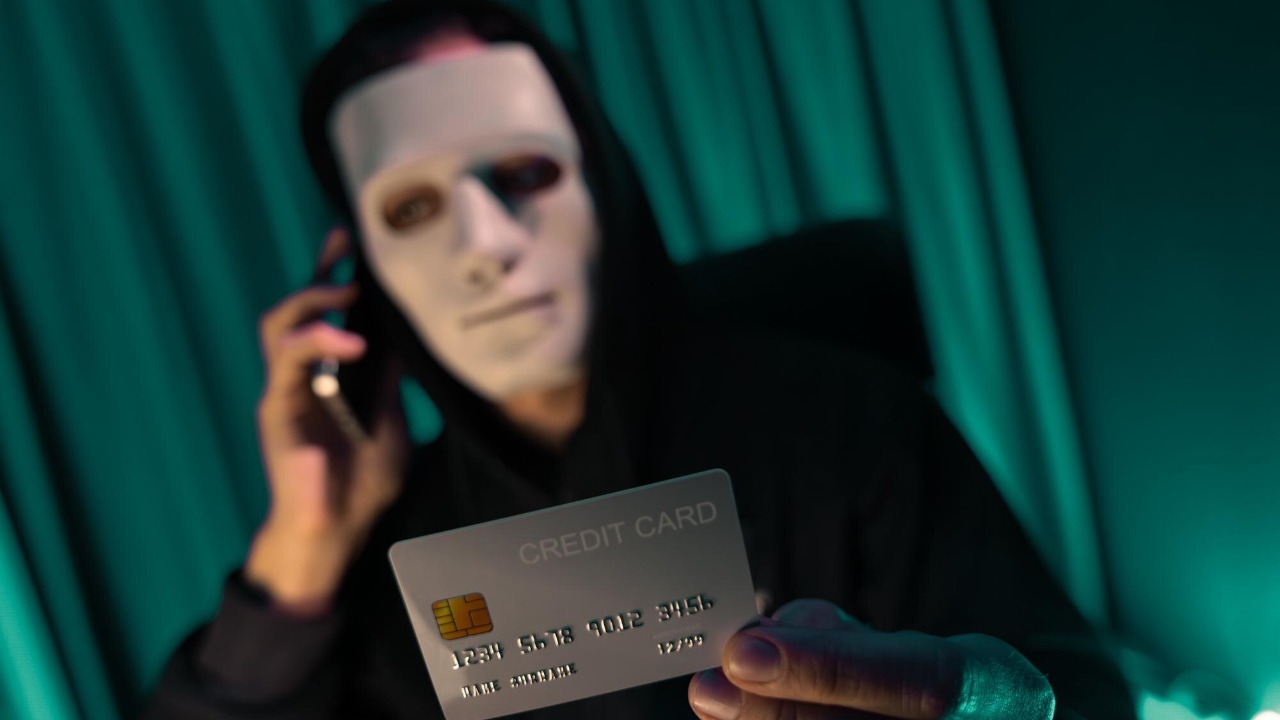
Criminals have quietly rolled out a new playbook for draining Americans’ checking accounts, and they are aiming straight at debit cards. Instead of crude phishing blasts, they are blending fake delivery alerts, hijacked text threads, and real-looking bank portals to intercept cards before you ever slide them into a terminal. I want to walk through how this scheme works, how it fits into broader fraud trends, and the specific steps that actually reduce your risk.
Debit cards tap directly into cash, not a credit line, so a single successful scam can wipe out rent money or a payroll deposit in minutes. The good news is that the same tools banks and regulators use to track fraud can help you spot trouble early, lock down your accounts, and recover faster if thieves get through.
How the newest debit card scam actually works
The latest wave of debit fraud hitting American households relies on a simple but effective sequence: a fake text, a redirected card, and a stolen PIN. Scammers start by sending what looks like a routine message about a package, a bank alert, or a card replacement, then steer victims to a convincing website where they “verify” their identity and confirm a new card shipment. Once the real card is on its way, thieves intercept it at the mailbox or doorstep, often through porch piracy tactics that have already been documented in a broader Debit and ATM card scheme involving fake texts and stolen deliveries.
What makes the newest version so dangerous is that criminals are not guessing PINs, they are tricking people into handing them over. Victims are told they must “activate” or “confirm” the replacement card by entering the full card number, expiration date, CVV, and PIN on a spoofed site or automated phone line. By the time the physical card disappears from the porch, the thieves already have everything they need to empty the account at an ATM or through rapid online transfers, a pattern that recent warnings about the newest scam targeting American debit cards describe in detail.
Why debit cards are such an attractive target
Debit cards have become the default way many Americans pay for groceries, gas, and online shopping, which means they are also a rich target for criminals. Unlike credit cards, which draw on a revolving line, debit transactions pull money straight from checking accounts, so a successful hit can immediately drain cash that families rely on for bills and emergencies. Reporting on fraud trends in 2025 notes that debit cards rank among the top payment methods targeted by criminals, with one How to protect yourself alert emphasizing how quickly thieves move once they have card and PIN details.
On top of that, the infrastructure around debit cards is riddled with weak points that scammers exploit. Skimmers hidden inside gas pumps and ATMs, compromised point-of-sale terminals, and fake card readers can all capture card data in seconds, and one recent analysis bluntly notes that Skimmers and other compromised terminals remain a major source of stolen debit information. When that data is combined with social engineering, such as the porch-piracy card replacement scam, criminals can bypass many of the protections that banks and card networks rely on.
How this fits into broader 2025 fraud trends
The new debit card con is not happening in isolation, it is part of a broader shift in financial crime that has accelerated in 2025. Fraudsters are increasingly blending old-school tricks like skimming with sophisticated digital tools, including AI-generated voices and fake customer service agents. A June overview of The Latest Banking Fraud Trends in 2025 describes how Assisted Deepfake Bank Fraud lets criminals mimic real bank employees on the phone, which makes it far easier to convince someone to “confirm” a debit card replacement or share a one-time passcode.
At the same time, banks and credit unions are warning customers about a growing list of scams that all share the same core tactic: impersonation. A rundown of 10 scams to watch for Below in 2025 highlights how criminals pose as bank staff, government agencies, or even social media contacts to push fake prizes, guaranteed returns, or urgent account alerts. The debit card interception scheme slots neatly into that pattern, using spoofed texts and cloned websites to impersonate legitimate card issuers and delivery services.
The classic tricks that still power modern debit fraud
Even as scammers adopt AI and more elaborate scripts, many of the underlying techniques are surprisingly familiar. Skimming remains one of the most common ways to capture debit card data, with criminals installing tiny devices inside gas pumps or on top of ATM slots to read card stripes as people pay. A detailed guide from Oct 8, 2025 on Protecting Your Debit Card and What You Need to Know About Fraud explains how Skimming continues to be a “classic trick,” especially at unattended terminals where staff are less likely to notice tampering.
Physical theft and low-tech snooping also still matter. Thieves shoulder-surf PINs at checkout, swap out terminals in small shops, or simply steal wallets and mail. A separate warning about how your debit card is not as safe as you might assume notes that Most debit fraud starts with skimmers or compromised terminals, then escalates when criminals test small transactions before moving to larger withdrawals. The new porch-piracy scam essentially layers those older tactics with more polished social engineering, making it harder for consumers to spot the danger until money is already gone.
Red flags that your card or account is being targeted
Spotting the warning signs early is the difference between a minor scare and a drained account. Unsolicited texts or emails about card replacements, package delays, or “urgent” account verification should immediately raise suspicion, especially if they include links that do not match your bank’s usual domain. Fraud experts have stressed that if someone asks you to keep a transaction quiet or rush through an unusual payment method, that secrecy itself is a red flag, with one April advisory on fraud in 2025 flagging “Keep It a Secret” and Unusual Payments as near-guarantees that it is a scam.
On the account side, small test charges, unfamiliar ATM withdrawals, or card-not-present purchases from merchants you do not recognize are all signs that your card details may already be in criminal hands. Security specialists who walk through what to do with a Hacked Debit Card emphasize that unexpected alerts, declined transactions, or login notifications from unknown devices should be treated as urgent, not as glitches to ignore. In the context of the newest debit scam, a missing card in the mail combined with any of these digital red flags is a strong signal that someone is trying to intercept both your plastic and your PIN.
Concrete steps to protect your debit card right now
There is no way to eliminate risk entirely, but there are practical moves that sharply reduce the odds that a scammer will succeed. One of the most effective is to turn on real-time alerts for every debit transaction, so you see charges as they happen and can respond within minutes if something looks off. A Nov 17, 2025 guide to keeping your card safe highlights how banks and credit unions let customers Set Account Alerts for purchases, ATM withdrawals, and even when an auto loan payment is due, giving you a running feed of activity that can expose fraud early.
It also helps to be strategic about where and how you use your debit card. Consumer educators who share 10 ways to avoid debit card fraud on Aug 17, 2025 urge people to favor secure ATMs at bank branches, use contactless payments where possible, and regularly review bank statements for unfamiliar charges, advice that is laid out in a video on Aug 17, 2025. Another set of seven tips from May 20, 2025 recommends leaning on credit cards for higher-risk online purchases, keeping checking balances lower so there is less to steal, and using secure banking apps instead of clicking on links in texts, guidance that is spelled out in a separate video on May 20, 2025.
What to do the moment you suspect fraud
When something feels wrong, speed matters more than perfection. If you receive a suspicious message about a debit card replacement or notice a charge you do not recognize, the safest move is to stop engaging with the message and instead call your bank using a verified phone number from the back of your card or the bank’s official app. Recent coverage of the newest debit scam stresses that if something seems off, you should Call your bank and ask them to freeze or cancel the card, which can stop additional withdrawals and make the dispute process smoother.
Once you have locked down the card, it is important to document what happened and alert the right authorities. Security professionals who explain what to do when your Here is What To Do if your debit card has been hacked recommend immediately contacting your bank, changing online banking passwords, and monitoring accounts for follow-up attempts. For broader identity theft concerns, including when scammers open new accounts in your name, the federal government maintains a centralized portal at IdentityTheft.gov where you can file a report, create a recovery plan, and get guidance on placing fraud alerts or credit freezes.
Why awareness, not fear, is your best defense
It is easy to feel overwhelmed by the pace of new scams, especially when they target something as basic as a debit card. Yet the pattern across 2025’s fraud reports is clear: criminals rely on speed, secrecy, and surprise, while consumers who slow down, verify, and document tend to come out ahead. Educational campaigns on What You Need to Know About Fraud and How We Can Help, along with broader rundowns of What You Need To Know about banking scams in 2025, all converge on the same message: you do not need to be a cybersecurity expert to protect yourself, but you do need to be deliberate.
For my part, I see the newest debit card scam as a reminder that convenience always comes with trade-offs. Using a single card for everything, clicking through texts without thinking, or tossing mail in the trash unopened all save a few seconds, but they also create openings that modern fraudsters are eager to exploit. By treating your debit card with the same caution you would bring to a stack of cash, and by using the tools your bank and regulators already provide, you can keep that plastic in your wallet from becoming an easy target in the next wave of attacks.
More From TheDailyOverview
- Dave Ramsey warns to stop 401(k) contributions
- 11 night jobs you can do from home (not exciting but steady)
- Small U.S. cities ready to boom next
- 19 things boomers should never sell no matter what

Grant Mercer covers market dynamics, business trends, and the economic forces driving growth across industries. His analysis connects macro movements with real-world implications for investors, entrepreneurs, and professionals. Through his work at The Daily Overview, Grant helps readers understand how markets function and where opportunities may emerge.