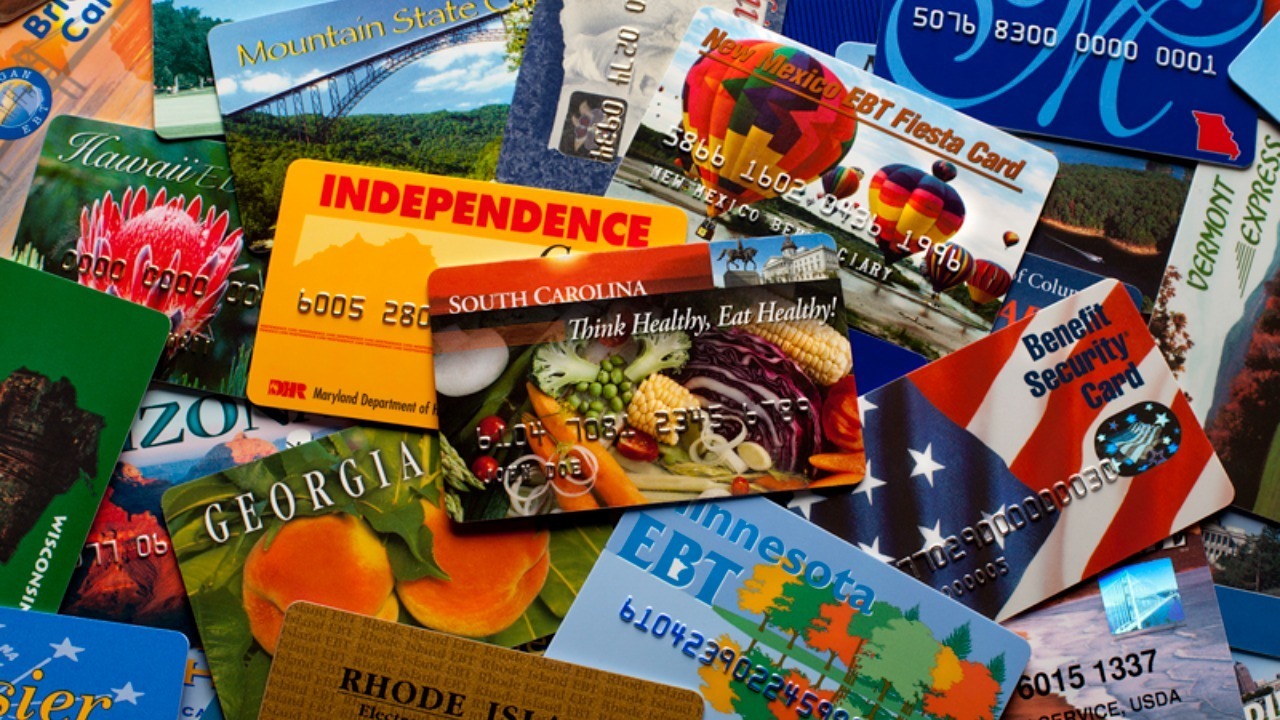
Eighteen states have won federal approval to ban certain foods and drinks from SNAP purchases, and the new restrictions took effect January 1, 2026. The shift has left millions of benefit recipients sorting through inconsistent state-by-state rules while grocery stores, particularly small independent retailers, scramble to reprogram checkout systems with little centralized guidance. The result is a patchwork of policies that vary widely in scope, from soda-only bans to broader exclusions of candy and prepared foods, creating real confusion at the register for shoppers and clerks alike.
Eighteen States, One Deadline, No Uniform Playbook
The Food and Nutrition Service confirmed that, as of December 30, 2025, it had approved 18 state waivers for SNAP food restrictions. Every approved waiver shares the same start date of January 1, 2026, and each runs as a two-year demonstration project meant to test whether limiting certain products can improve diet quality without undermining access. But the similarities largely end there. Some states restrict only carbonated soft drinks. Others sweep in candy, energy drinks, and certain prepared foods. The lack of a single federal product list means that a beverage banned in one state may remain fully eligible in the neighboring one, and shoppers who live near state borders or shop online face an extra layer of guesswork.
Nebraska’s waiver drew early attention because the USDA publicly highlighted Nebraska as the first state to secure approval to restrict soda and energy drinks from food stamps, framing the decision around public health and taxpayer arguments. Yet Iowa, West Virginia, and Utah all received approvals with the same January 1, 2026 effective date, raising questions about whether “first” referred to the order of internal approval or the order of public announcement. Iowa’s governor and health officials had already touted their own waiver in a May 2025 statement, months before Nebraska’s national spotlight. The conflicting timelines illustrate a broader pattern: federal messaging has not always kept pace with the speed at which states moved to design and implement these waivers, leaving recipients and retailers piecing together the rules from scattered announcements.
What Each State Actually Bans
The differences between state waivers are not minor. Nebraska’s project excludes both soda and energy drinks, according to its federal approval, which describes the effort as “novel” and stresses the need for careful evaluation of impacts on participants and retailers. West Virginia, by contrast, restricts regular, diet, and zero-calorie soda but explicitly does not restrict energy drinks, according to the state’s implementation notice. That distinction matters in everyday terms: a shopper in Charleston, West Virginia, can still buy a can of energy drink with SNAP benefits, while a shopper in Omaha, Nebraska, cannot, even though both are using the same federal program.
Iowa goes further still. Guidance from the state human services agency explains that soda, candy, candy-coated items, and some prepared foods all became ineligible for SNAP starting January 1, 2026, with eligibility tied directly to what is taxed or non-taxed under Iowa law. Utah’s two-year demonstration project, approved in its own waiver documentation, focuses more narrowly on excluding “soft drinks” from SNAP-eligible food, leaving candy and most snack items untouched. The variation means that a chocolate bar is still purchasable with benefits in Utah but not in Iowa, while a sugary energy drink is off-limits in Nebraska but allowed in West Virginia. For multi-state grocery chains and national brands, this creates a complicated map of where products can and cannot be purchased with SNAP, all under waivers that began on the same day.
The Tax Code Shortcut and Its Blind Spots
Several states chose to define restricted items by borrowing from their existing sales tax codes rather than building product lists from scratch. Iowa explicitly ties SNAP eligibility to foods that are treated as non-taxable under state law, a move that simplifies the policy on paper but pushes complexity onto retailers and software vendors who must map tax categories to SNAP eligibility. Indiana and other states have taken similar approaches for soft drinks, effectively saying that if a beverage is taxed like soda, it should be blocked at the SNAP register as well. West Virginia defined “soda” with clinical precision: a product must contain water, a sweetening agent, flavoring, and carbonation to qualify for restriction, according to the state’s policy description, leaving anything that falls outside that four-part test fully eligible.
The tax-code approach sounds elegant, but it creates odd gaps and edge cases that are hard to explain to shoppers. A flavored sparkling water with no sweetener would not meet West Virginia’s four-part soda definition and would remain SNAP-eligible, even if it sits on the shelf next to banned colas. A fruit drink with added sugar might be taxable in one state but not another, depending on the percentage of juice content and how each tax code classifies “beverages.” For shoppers trying to plan a grocery trip, the practical question is not abstract policy but whether the item in their hand will be accepted or declined at checkout. And that answer now depends not only on which side of a state line they happen to be standing on, but also on how faithfully their local store’s software mirrors the quirks of the state tax code.
Small Retailers Bear the Heaviest Burden
Large grocery chains have the IT infrastructure to push software updates across hundreds of point-of-sale terminals, test them, and correct errors. Small corner stores and rural grocers do not. Indiana’s retailer guidance, for example, tells stores that the state will not provide a comprehensive excluded-items list and that they must determine which products qualify based on sales-tax definitions, leaving mom-and-pop owners to decipher legal language and translate it into barcode rules. The same type of guidance acknowledges small retailers’ challenges with UPC-level flagging, the barcode-by-barcode process of marking individual products as restricted. Chips, for example, remain eligible for SNAP purchases in many states, but a store clerk cannot always tell from the packaging whether a given snack item falls under the “soft drink” tax category or the “food” category, especially when manufacturers blur lines with hybrid products and new flavors.
Federal instructions from the Food and Nutrition Service address some operational concerns, covering point-of-sale updates, staff training, treatment of online orders and delivery, and enforcement expectations, but the burden of interpreting and implementing those guidelines falls on individual store owners. West Virginia set a retailer compliance deadline of April 1, 2026, giving stores a three-month grace period after the restriction took effect, which may ease the transition but also guarantees uneven enforcement during the first quarter of the year. At the same time, the USDA has proposed broader updates to SNAP stocking standards, including changes to variety requirements and staple-food categories. For a small retailer, that means juggling two major compliance tasks at once: reclassifying which items can be purchased with benefits and adjusting inventory to meet new stocking rules, all while trying not to alienate customers who rely on SNAP.
Rural Access and the Participation Risk
The assumption behind these waivers is straightforward: removing sugary drinks and junk food from SNAP eligibility will nudge participants toward healthier choices and, over time, improve diet-related health outcomes. That logic has some intuitive appeal in areas with multiple grocery options, where shoppers can easily switch to alternatives or find stores that have fully updated their systems. In rural counties served by a single general store or gas station, the calculation changes. If that store struggles to update its software, miscodes products, or decides the compliance cost is not worth maintaining SNAP authorization, the community could lose a critical food access point entirely. Nebraska’s waiver materials emphasize the need to evaluate impacts on both participants and retailers, signaling that federal officials are aware of this risk even if they have not yet quantified it.
No primary data on participant confusion levels, substitution patterns, or early compliance rates has been published as of early 2026. The two-year demonstration windows in states like Utah and Nebraska are designed to generate that evidence, but results will not arrive for months or years and may vary significantly across communities. In the meantime, the practical effect is that SNAP households in 18 states are operating under rules that their local stores may not fully understand, using definitions that vary by state, and facing checkout denials that neither they nor the cashier can always explain. For families already budgeting down to the dollar, a declined purchase can mean going home with less food than planned. The gap between policy intent and ground-level execution is where the real friction lives, and it is likely to shape whether other states seek similar waivers once the first round of results is in.
How Shoppers and Stores Can Adapt
For SNAP recipients, the single most useful step is checking their state’s health and human services portal before shopping, since most agencies are posting at least basic explanations of what is and is not allowed. In Iowa, for example, the state agency directory can help residents locate the correct division to call with questions about food assistance, while the online service index points to benefit applications, eligibility tools, and contact forms. Once participants know how their state defines restricted items (whether through tax rules, ingredient-based definitions, or specific product categories), they can plan grocery lists that minimize surprises at the checkout line. Keeping receipts and noting which items were denied can also help households and caseworkers spot patterns and correct mistakes when store systems are misconfigured.
Retailers, especially small stores, can reduce headaches by designating a single point person, often an owner or manager, to track state guidance and coordinate with their point-of-sale vendor. That person should monitor updates from the federal SNAP waiver page and from their state human services or revenue department, then work with software providers to implement changes and test them on low-traffic days. Training cashiers to recognize the most commonly restricted categories, such as sodas and candy, will not eliminate every error but can make it easier to explain denials calmly and accurately when they happen. Over time, as demonstration projects generate data and policymakers refine the rules, both shoppers and stores will be navigating a more evidence-based system. For now, the reality is more fragmented. It is 18 states, one federal program, and a shifting set of rules that depend heavily on where you live, where you shop, and how quickly your local store can keep up.
More From The Daily Overview
*This article was researched with the help of AI, with human editors creating the final content.

Silas Redman writes about the structure of modern banking, financial regulations, and the rules that govern money movement. His work examines how institutions, policies, and compliance frameworks affect individuals and businesses alike. At The Daily Overview, Silas aims to help readers better understand the systems operating behind everyday financial decisions.

