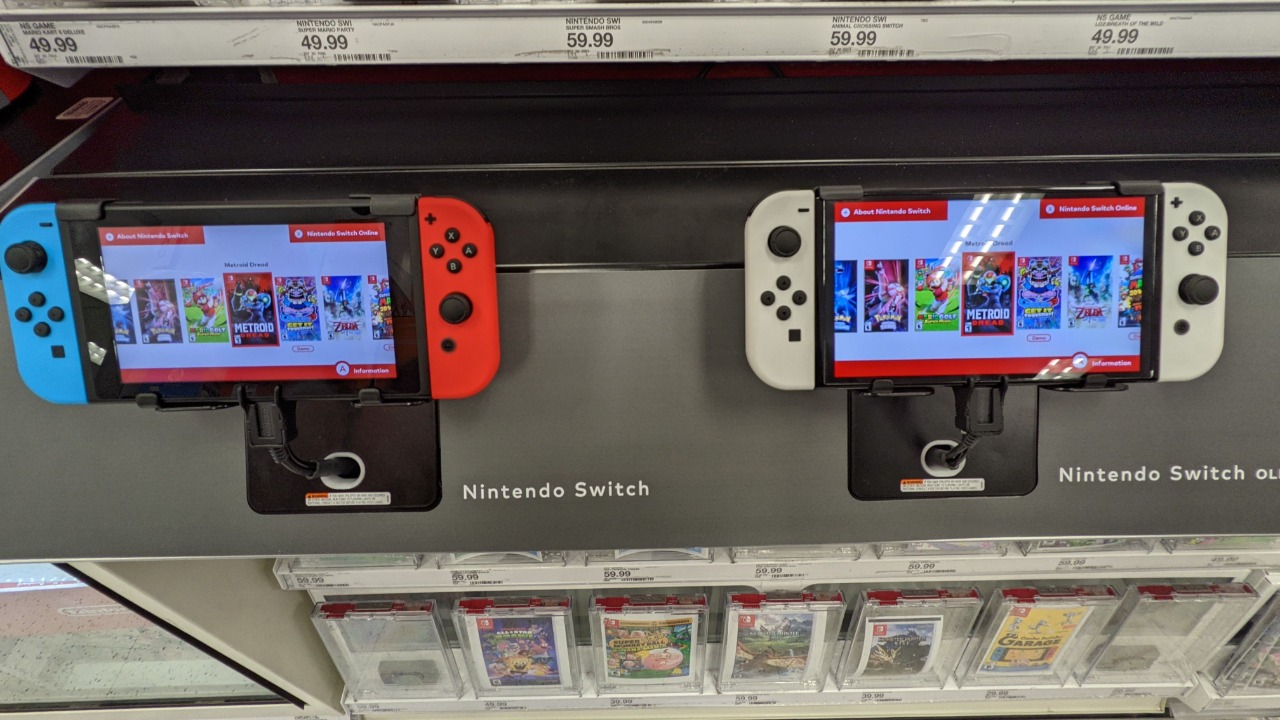
A Colorado judge has ruled in favor of Nintendo in a piracy lawsuit against a streamer, awarding the company $17,500 in damages for the defendant’s use of pirated games and emulators. The decision, which permanently bans the streamer from using emulators ever again, marks a significant victory for Nintendo in combating online infringement of its intellectual property. This outcome, reported as of November 3, 2025, underscores the legal risks for content creators who publicly flaunt unauthorized access to Nintendo titles like Mario via tools such as the Yuzu emulator.
The Streamer’s Infringing Activities
The streamer in question engaged in public displays of playing pirated Nintendo games, which included showcasing popular titles like Mario using unauthorized emulation software. These activities were not only a direct violation of Nintendo’s copyrights but also a blatant flaunting of such violations on streaming platforms. The streamer’s actions drew significant attention, both from the public and Nintendo, due to the open nature of their broadcasts.
Evidence presented in the case highlighted the streamer’s use of the Yuzu emulator to access and broadcast pirated content. This emulator, known for its ability to run Nintendo Switch games on non-Nintendo hardware, was central to the streamer’s activities. By using Yuzu, the streamer was able to bypass Nintendo’s hardware restrictions, allowing them to play and stream games without purchasing legitimate copies. This not only infringed on Nintendo’s intellectual property rights but also undermined the company’s efforts to maintain control over its gaming ecosystem.
The streamer’s public flaunting of these activities on popular streaming platforms was a key factor in Nintendo’s decision to pursue legal action. By openly broadcasting their use of pirated games and emulators, the streamer not only violated Nintendo’s copyrights but also set a dangerous precedent for other content creators. This case serves as a stark reminder of the legal risks associated with unauthorized use of emulation software and pirated games, particularly when such activities are conducted in a public forum.
Nintendo’s Legal Response
Nintendo’s response to the streamer’s activities was swift and decisive. The company initiated a lawsuit against the streamer, citing copyright infringement related to the use of pirated games and emulators. The key claims in the suit focused on the streamer’s unauthorized distribution and public performance of Nintendo’s intellectual property. By taking legal action, Nintendo aimed to protect its rights and send a clear message to others who might consider engaging in similar activities.
The lawsuit was filed in a Colorado court, a strategic decision that allowed Nintendo to address the streamer’s activities within a legal framework that supported the company’s efforts to protect its intellectual property. This case is part of a broader effort by Nintendo to combat piracy and unauthorized use of its games. By pursuing legal action against the streamer, Nintendo reinforced its commitment to protecting its brand and ensuring that its games are enjoyed in a manner consistent with the company’s terms and conditions.
Nintendo’s legal strategy in this case was not only about seeking damages but also about setting a precedent for future cases. By taking a firm stance against the unauthorized use of emulators and pirated games, Nintendo aimed to deter other content creators from engaging in similar activities. This case highlights the importance of protecting intellectual property rights in the digital age and underscores the potential consequences for those who choose to violate these rights.
The Court’s Ruling and Damages
The Colorado judge’s decision to award Nintendo $17,500 in damages was a significant outcome of the case. These damages were specified as statutory damages for the proven piracy violations committed by the streamer. The ruling not only provided financial compensation to Nintendo but also served as a warning to others who might consider engaging in similar activities. By awarding damages, the court reinforced the seriousness of the streamer’s actions and the impact they had on Nintendo’s business.
In addition to the financial damages, the court imposed a permanent ban on the streamer, prohibiting all future use of emulators in connection with Nintendo content. This aspect of the ruling was particularly significant, as it represented a stricter measure compared to previous cases that often resulted in monetary settlements alone. The permanent injunction against the streamer underscores the court’s recognition of the ongoing threat posed by unauthorized emulation and piracy to Nintendo’s intellectual property.
The ruling, finalized and reported on November 3, 2025, marked a conclusive end to the litigation. It set a precedent for future cases involving similar activities and highlighted the potential legal consequences for those who choose to violate intellectual property rights. By taking a firm stance against piracy and unauthorized emulation, the court sent a clear message that such activities will not be tolerated and that violators will be held accountable for their actions.
Implications for Streamers and Emulation Community
The $17,500 award and emulator ban set a significant precedent for other streamers engaging in similar piracy activities. This case emphasizes the risks associated with publicly flaunting the use of pirated games and emulators. For content creators, the ruling serves as a stark reminder of the potential legal consequences of violating intellectual property rights. By taking a firm stance against piracy, Nintendo has reinforced its commitment to protecting its brand and ensuring that its games are enjoyed in a manner consistent with the company’s terms and conditions.
The broader impact on the emulation scene, particularly tools like Yuzu, is also noteworthy. This case highlights Nintendo’s ongoing enforcement efforts against unauthorized game access and the potential consequences for those who choose to violate the company’s intellectual property rights. For the emulation community, the ruling serves as a reminder of the legal risks associated with using and distributing emulation software. It underscores the importance of respecting intellectual property rights and the potential consequences of failing to do so.
This case represents a shift from prior cases, where monetary settlements were often the primary outcome. The permanent injunction against the streamer is a stricter measure that sets a new standard for future cases involving similar activities. By taking a firm stance against piracy and unauthorized emulation, Nintendo has reinforced its commitment to protecting its intellectual property and ensuring that its games are enjoyed in a manner consistent with the company’s terms and conditions. This case serves as a reminder of the potential legal consequences for those who choose to violate intellectual property rights and highlights the importance of respecting these rights in the digital age.
More From TheDailyOverview
- Dave Ramsey says these two simple questions show whether you’re rich or poor
- Retired But Want To Work? Try These 18 Jobs for Seniors That Pay Weekly
- IRS raises capital gains thresholds for 2026 and what’s new
- 12 ways to make $5,000 fast that actually work

Grant Mercer covers market dynamics, business trends, and the economic forces driving growth across industries. His analysis connects macro movements with real-world implications for investors, entrepreneurs, and professionals. Through his work at The Daily Overview, Grant helps readers understand how markets function and where opportunities may emerge.