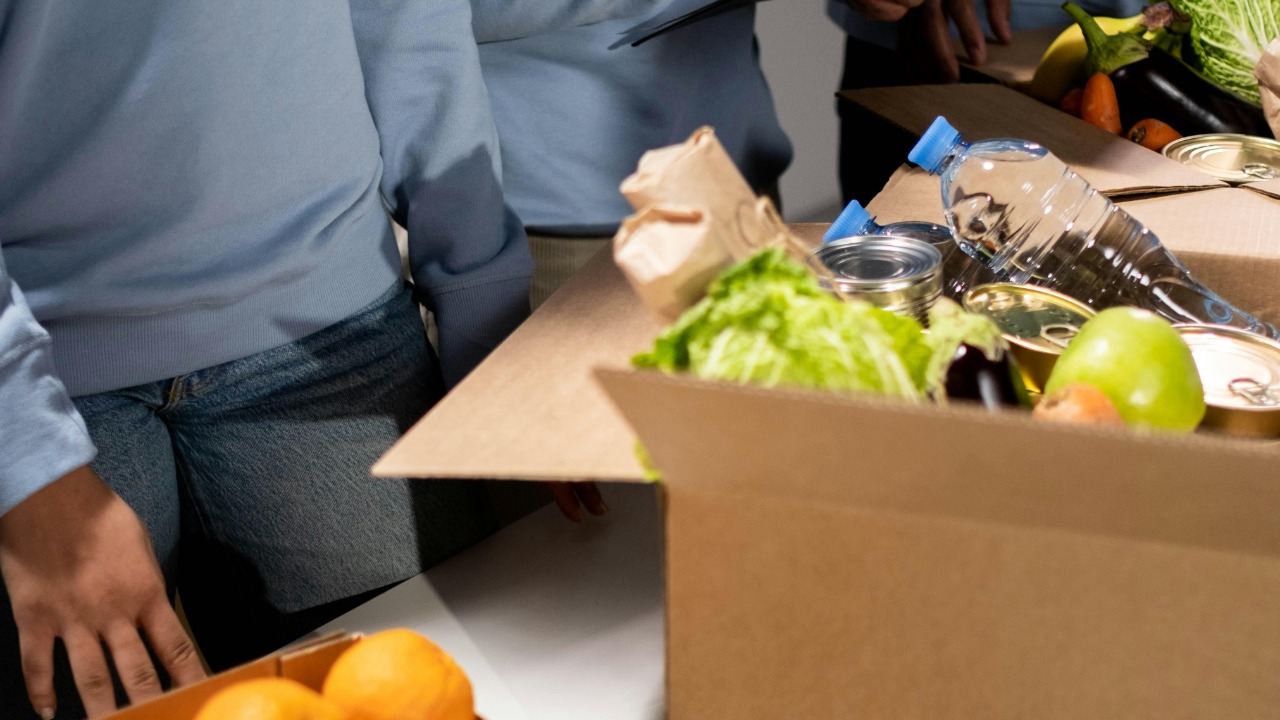
Food stamps are often framed as a ticket to cheap chips and soda, but the rules at the register are far more specific than that stereotype suggests. The Supplemental Nutrition Assistance Program, or SNAP, comes with a detailed list of what counts as food, what does not, and which gray areas can trip up families trying to stretch a limited balance. When I look closely at those rules, it becomes clear that the real story is not just about junk food, but about all the everyday items that low income households cannot buy with benefits even when they are sold in the same aisle.
What SNAP is designed to buy, and what it is not
SNAP is structured first and foremost as a grocery benefit, not a general household subsidy, and that design choice shapes every restriction that shows up at checkout. The program covers most foods meant to be eaten at home, including fresh produce, meat, dairy, pantry staples, and even snacks and soft drinks, as long as they are not hot and ready to eat. Federal guidance spells out that eligible items include breads and cereals, fruits and vegetables, meats, fish and poultry, and dairy products, along with snack foods and nonalcoholic beverages that fall under the broad definition of food for home consumption, a category that also extends to seeds and plants that produce food for the household to eat, according to official eligible food items criteria.
That same framework draws a bright line around what SNAP is not meant to cover, even when those items are sold in the same store and feel just as essential to daily life. The rules explicitly exclude alcohol, tobacco, vitamins and supplements, medicines, pet food, and any nonfood merchandise such as cleaning supplies, paper products, and hygiene items, along with hot foods and meals intended for immediate consumption, all of which are listed among ineligible items. The result is a benefit that can fill a pantry but cannot pay for toilet paper, baby wipes, or a rotisserie chicken that is still warm, even if those are the products a family needs most on a given day.
The long list of everyday items SNAP will not cover
When I map those rules onto a typical supermarket trip, the number of everyday products that SNAP will not touch becomes striking. Families cannot use their EBT card for diapers, tampons, shampoo, toothpaste, laundry detergent, dish soap, or trash bags, even though those items are often sold just a few steps from the cereal aisle and are part of the same weekly budget pressure. Federal guidance groups all of these under nonfood household supplies and personal care products, which are explicitly barred from purchase with SNAP benefits in the program’s eligibility rules. That means a parent can pay for baby formula with SNAP, but not for the diapers that go with it, and a shopper can cover a bag of rice but not the soap needed to wash the pot afterward.
Some of the exclusions cut even closer to basic needs, especially for households that rely on pets or over the counter health products. Pet food is off limits, so a family that uses SNAP to buy groceries for themselves must find separate cash to feed a dog or cat, even if the animal is central to their emotional stability or home security, a restriction that appears alongside other nonfood exclusions. Vitamins, protein powders labeled as supplements, and other products carrying a Supplement Facts label are also prohibited, even when they are marketed as nutrition support, because the program only recognizes items with a Nutrition Facts label as food. Those lines can feel arbitrary at the register, but they reflect a policy choice to keep SNAP focused on conventional groceries rather than broader wellness or household spending.
Hot food, restaurant meals, and the “prepared food” problem
One of the most confusing parts of the SNAP rulebook is the treatment of prepared food, which is where many shoppers discover that not all groceries are equal in the eyes of the program. SNAP generally will not pay for hot foods or meals meant to be eaten right away, so a cold deli sandwich might qualify while a hot one does not, and a frozen pizza is allowed while a slice from the store’s pizza counter is not. Federal guidance lists hot foods and foods sold for on premises consumption among the core ineligible categories, a distinction that can turn on whether an item is heated or whether the store is considered a restaurant rather than a retailer.
There are narrow exceptions, but they are tightly controlled and do not change the basic rule that SNAP is not a restaurant card. Some states participate in a Restaurant Meals Program that lets certain older adults, people with disabilities, and individuals experiencing homelessness use benefits at approved restaurants, yet this option is limited to specific jurisdictions and populations and still operates within the broader federal ban on hot prepared foods, as reflected in program guidance on meals. Even in regular grocery stores, prepared items like hot rotisserie chickens, heated soups from the deli bar, or ready to eat meals packaged for immediate consumption are blocked at the register, which can be especially frustrating for workers without time to cook or for households dealing with power outages or limited kitchen access.
Why junk food is allowed while healthier “extras” are not
The most politically charged quirk of SNAP is that it will cover soda, candy, and chips, but not many products that some shoppers see as healthier extras. Under federal definitions, snack foods and nonalcoholic beverages count as eligible groceries as long as they are intended for home consumption, which means a 12 pack of cola, a bag of potato chips, or a box of cookies can all be purchased with benefits, a point spelled out in the program’s food eligibility list. At the same time, items like multivitamins, herbal supplements, or protein powders labeled with Supplement Facts are excluded, even when they are marketed as tools for better nutrition, because they fall into the supplement category rather than food.
That tension has fueled recurring debates over whether SNAP should restrict sugary drinks or other junk foods, but the current rules reflect a longstanding decision to avoid micromanaging individual diets while still drawing a clear line around nonfood products. Policymakers have repeatedly concluded that trying to sort “good” foods from “bad” ones at the federal level would be administratively complex and potentially stigmatizing, so the program sticks to a broad definition of food that includes many processed snacks while continuing to bar vitamins, medicines, and other products that do not carry a Nutrition Facts label, as detailed in the official guidance on supplements. The result is a system where a family can use SNAP to buy a bag of candy but not a bottle of vitamin D, a tradeoff that reflects policy priorities about simplicity and access rather than a clean hierarchy of nutritional value.
How these limits shape real household budgets
When I think about these rules from the perspective of a monthly budget, the impact goes well beyond the grocery list. Because SNAP cannot be used for toiletries, cleaning supplies, diapers, or pet food, households must carve out separate cash for those items, even as rent and utilities compete for the same dollars. That dynamic effectively narrows the reach of the benefit, since every dollar that has to cover toilet paper or laundry detergent is a dollar that cannot be redirected to fill the gap left by SNAP’s exclusions, a tradeoff that is built into the program’s nonfood restrictions. For families living on tight margins, the inability to use benefits for hot prepared meals can also mean higher energy costs and more time spent cooking from scratch, which is not always realistic for people working multiple jobs or managing health limitations.
These constraints also shape where and how people shop, because not every retailer is equipped to navigate the fine print. Stores that want to accept SNAP must stock a minimum variety of staple foods and follow the same eligibility rules at the register, which means they cannot simply override the system to let a customer pay for a hot meal or a bottle of shampoo with an EBT card, a requirement embedded in the program’s retailer standards. For shoppers, that can translate into juggling multiple payment methods in a single trip or visiting several stores to piece together food, household supplies, and prepared meals, a daily reminder that SNAP is built to subsidize groceries and little else, no matter how essential those other items may feel.
More From TheDailyOverview
- Dave Ramsey warns to stop 401(k) contributions
- 11 night jobs you can do from home (not exciting but steady)
- Small U.S. cities ready to boom next
- 19 things boomers should never sell no matter what

Cole Whitaker focuses on the fundamentals of money management, helping readers make smarter decisions around income, spending, saving, and long-term financial stability. His writing emphasizes clarity, discipline, and practical systems that work in real life. At The Daily Overview, Cole breaks down personal finance topics into straightforward guidance readers can apply immediately.

