Nvidia CEO Jensen Huang recently declared artificial intelligence as the catalyst for a new “industrial revolution,” emphasizing its transformative potential across various industries. During his speech, he praised former President Donald Trump’s tariffs for their crucial role in bolstering domestic chip production, highlighting how these policies have supported U.S. manufacturing amid global supply chain challenges. This statement marks a notable shift in Huang’s public commentary on trade policies compared to his prior neutral stances.
Nvidia CEO’s AI Revolution Announcement
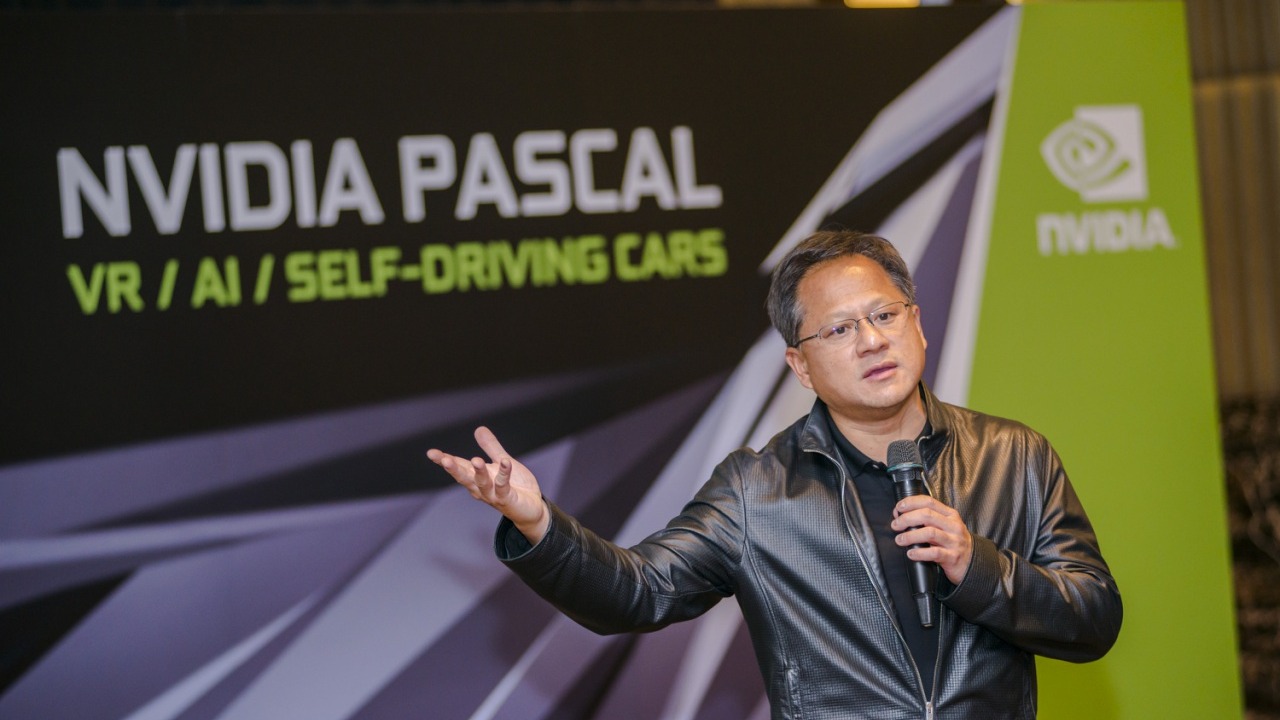
Jensen Huang’s declaration of AI as a new “industrial revolution” underscores his vision for widespread automation and efficiency gains across sectors like manufacturing and healthcare. He described AI’s potential to revolutionize these industries by enhancing productivity and creating new opportunities for innovation. Huang emphasized Nvidia’s leadership in AI hardware, particularly GPUs, as the foundational technology driving this revolution. He noted that Nvidia’s advancements in AI are not just about technological prowess but also about reshaping how industries operate, making them more efficient and responsive to market demands.
The timing of Huang’s announcement is significant, as it comes amid accelerating AI adoption rates since early 2025. This endorsement of AI’s transformative power reflects a broader trend where industries are increasingly integrating AI technologies to stay competitive. Huang’s remarks highlight Nvidia’s strategic positioning at the forefront of this shift, leveraging its technological innovations to lead the charge in AI-driven industrial transformation. As AI continues to gain traction, Nvidia’s role in shaping the future of technology and industry becomes ever more critical.
Praise for Trump’s Tariffs on Chip Manufacturing
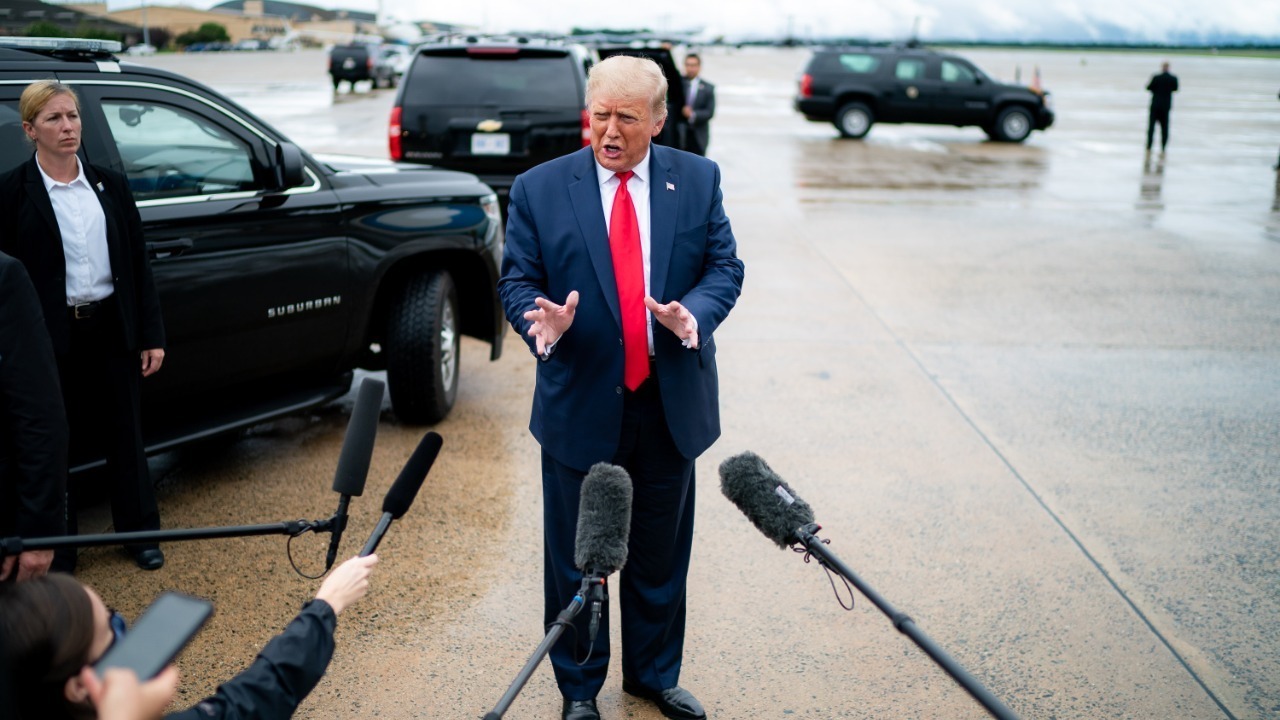
In his speech, Huang offered specific praise for Donald Trump’s tariffs, acknowledging their role in protecting and enhancing U.S. chip production against foreign competition. He noted that these tariffs, which targeted imports from key rivals like China, have been instrumental in bolstering domestic manufacturing capabilities. Huang’s comments reflect a shift from previous industry skepticism, as recent supply chain disruptions have underscored the importance of having a robust domestic semiconductor industry. By supporting local production, the tariffs have helped mitigate the impact of global supply chain challenges, ensuring a steady supply of critical components for the tech industry.
The implementation of these tariffs involved targeted duties on imports, which have been pivotal in fostering a more resilient U.S. semiconductor sector. Huang’s remarks highlight how these policies have not only protected domestic industries but also encouraged investment in local manufacturing infrastructure. This shift in perspective among industry leaders like Huang suggests a growing recognition of the strategic benefits of protectionist policies in safeguarding national interests and promoting technological self-sufficiency.
Implications for U.S. Tech Industry Stakeholders
Nvidia’s strategic benefits from tariff-supported chip production are manifold, including reduced reliance on overseas facilities and increased R&D investments. By fostering a robust domestic manufacturing base, Nvidia can focus on innovation and development without the uncertainties of international supply chain disruptions. This strategic advantage positions Nvidia to lead in the AI revolution, with a secure supply of critical components supporting its technological advancements.
Broader stakeholder reactions to Huang’s comments suggest potential alliances between AI firms and policymakers who favor protectionism, especially in the wake of the 2025 elections. As the U.S. tech industry navigates a shifting global landscape, these alliances could shape future trade policies and influence the direction of technological development. Huang’s comments indicate a pivot toward U.S.-centric AI development, contrasting with earlier international collaborations. This shift reflects a broader trend where national interests increasingly drive technological innovation and policy decisions.
Future Outlook on AI and Trade Policies
Huang’s predictions for AI’s economic ripple effects are closely tied to sustained tariff protections, which he views as essential for long-term chip innovation. By ensuring a stable and secure supply of semiconductors, these policies support the continued growth and development of AI technologies. Huang’s speech on October 19, 2025, marks a pivotal moment that could influence upcoming policy debates on technology exports and trade relations.
Emerging challenges, such as balancing tariffs with AI’s need for international data flows, present complex issues for policymakers and industry leaders. Huang’s forward-looking insights suggest that while protectionist measures can bolster domestic industries, they must be carefully managed to avoid stifling innovation and collaboration. As the global tech landscape evolves, finding the right balance between national interests and international cooperation will be crucial for sustaining AI’s transformative potential.
In conclusion, Jensen Huang’s recent statements highlight the critical role of AI in driving a new industrial revolution and underscore the importance of strategic trade policies in supporting domestic manufacturing. As Nvidia continues to lead in AI innovation, its alignment with protectionist policies reflects a broader trend toward national self-sufficiency and technological leadership. The implications for the U.S. tech industry are profound, with potential shifts in trade dynamics and policy directions shaping the future of AI and global technology development.

Grant Mercer covers market dynamics, business trends, and the economic forces driving growth across industries. His analysis connects macro movements with real-world implications for investors, entrepreneurs, and professionals. Through his work at The Daily Overview, Grant helps readers understand how markets function and where opportunities may emerge.