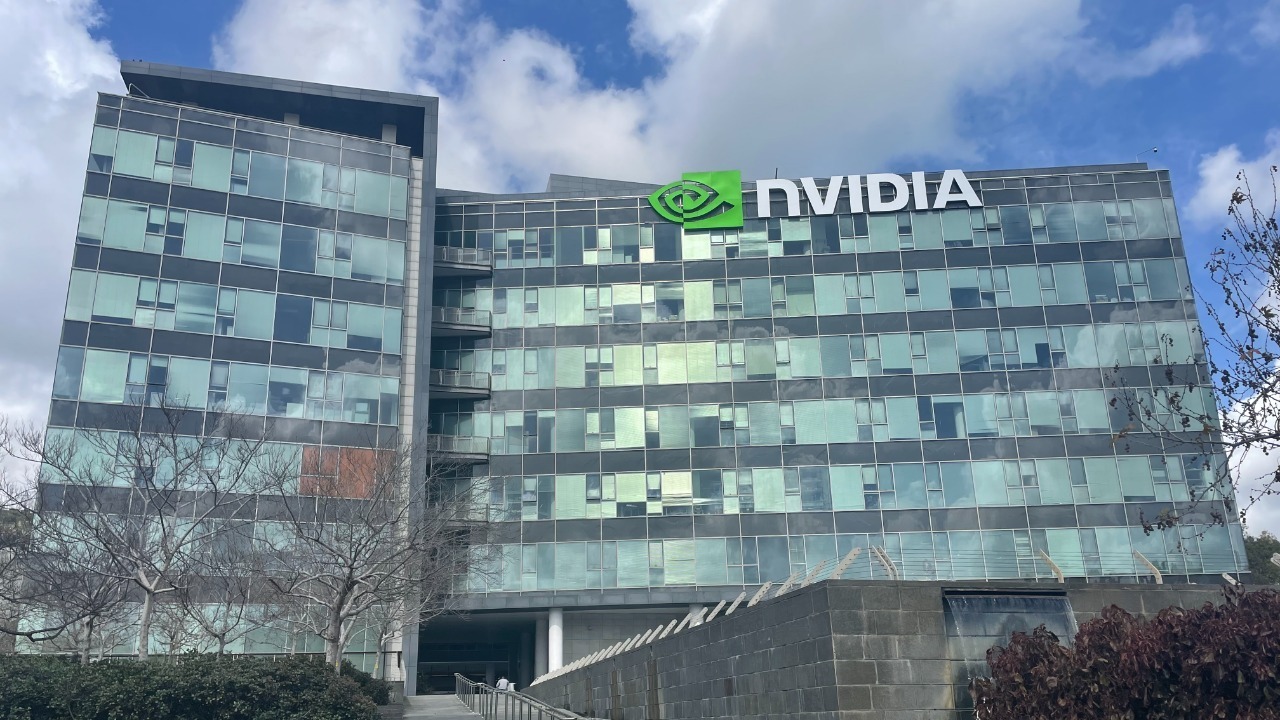
In a bold prediction, Dan Ives claims that Nvidia’s stock is “going to $5 trillion,” underscoring the company’s significant potential in the AI industry. However, the outlook is not unanimously optimistic; some experts caution that if AI proves to be merely a bubble, Nvidia’s valuation could face a steep decline. This dichotomy highlights the ongoing debate about the future of AI and its impact on major tech companies.
The Bullish Case for Nvidia

Dan Ives, a well-known analyst, has made headlines with his prediction that Nvidia’s stock could reach a valuation of $5 trillion. His optimism is rooted in Nvidia’s pivotal role in the rapidly expanding AI sector. According to Ives, Nvidia’s technological advancements and strategic positioning make it a key player in the future of AI. The company’s GPUs are integral to AI applications, providing the computational power necessary for complex machine learning tasks. This technological edge positions Nvidia as a leader in the AI revolution, potentially driving its market value to unprecedented heights.
The enthusiasm surrounding Nvidia is further fueled by its strategic partnerships and collaborations with major tech companies. These alliances enhance Nvidia’s capabilities and expand its reach in the AI market. As AI continues to permeate various industries, Nvidia’s role in powering these innovations becomes increasingly critical. This potential for growth is a significant factor in Ives’ bullish outlook, suggesting that Nvidia is well-positioned to capitalize on the AI boom.
Moreover, Nvidia’s commitment to research and development is a cornerstone of its strategy to maintain leadership in AI technology. The company invests heavily in developing new architectures and enhancing the performance of its GPUs, ensuring they remain at the forefront of AI processing capabilities. This dedication to innovation not only strengthens Nvidia’s competitive edge but also attracts top talent and fosters a culture of continuous improvement. As AI applications become more sophisticated, Nvidia’s ability to deliver cutting-edge solutions will be crucial in sustaining its growth trajectory.
Additionally, Nvidia’s expansion into new markets, such as healthcare and finance, demonstrates its versatility and adaptability. By leveraging its AI expertise, Nvidia is poised to drive advancements in these sectors, offering solutions that can improve diagnostics, enhance financial modeling, and optimize operations. This diversification strategy not only opens new revenue streams but also mitigates risks associated with over-reliance on any single industry. As AI continues to evolve, Nvidia’s proactive approach to exploring new opportunities will be instrumental in achieving its ambitious valuation goals.
Skepticism and Concerns Over an AI Bubble
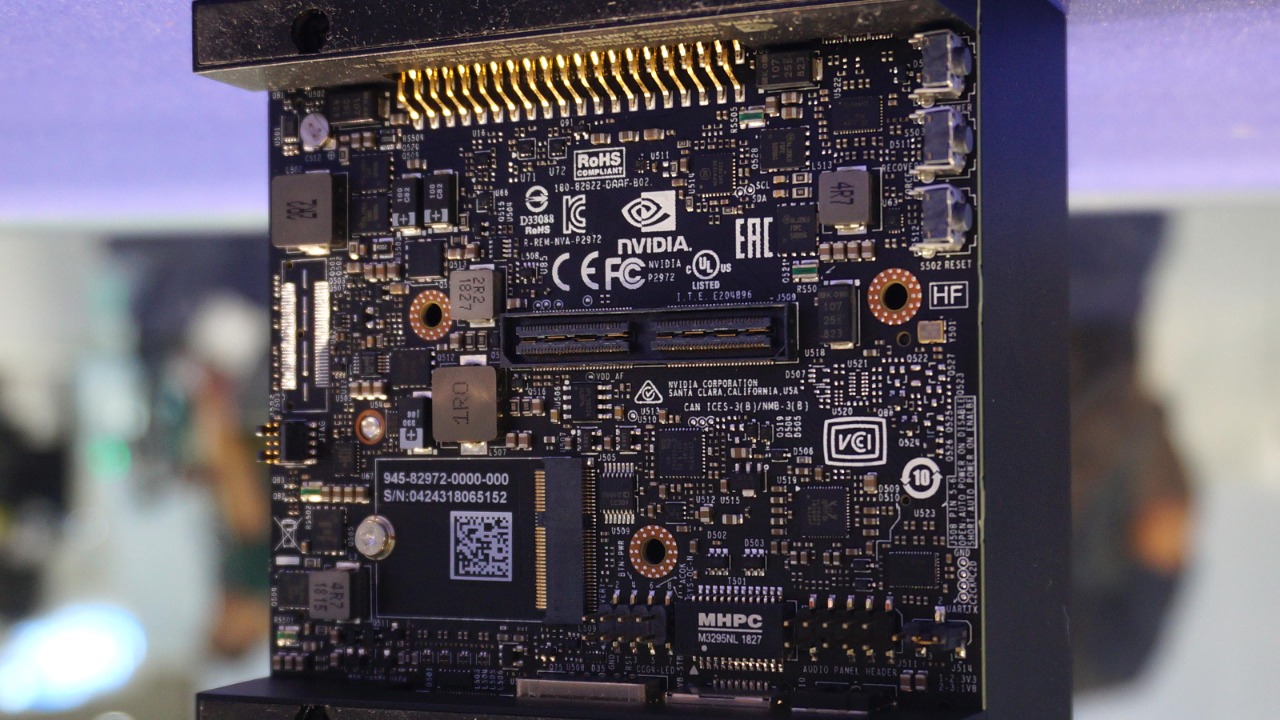
Despite the bullish predictions, some experts warn that AI could turn out to be just a bubble, posing a significant risk to Nvidia’s prospects. The fear is that if AI does not deliver on its promises, companies like Nvidia, heavily invested in AI, could see their valuations collapse. Historical precedents of tech bubbles, such as the dot-com bubble, serve as reminders of the volatility and risk involved. These past events highlight the potential for overvaluation and the subsequent market corrections that can follow.
Critics argue that the current hype surrounding AI may not be sustainable in the long term. If AI technologies fail to meet expectations or if regulatory challenges arise, the market could experience a significant downturn. This skepticism is a crucial counterpoint to the optimistic projections, emphasizing the need for caution and thorough analysis when considering investments in AI-driven companies like Nvidia. The potential for an AI bubble underscores the importance of evaluating both the opportunities and risks associated with this rapidly evolving sector.
Furthermore, the rapid pace of AI development has led to concerns about ethical implications and regulatory challenges. As AI systems become more integrated into critical decision-making processes, issues such as data privacy, algorithmic bias, and accountability come to the forefront. These concerns could lead to increased scrutiny and regulatory intervention, potentially slowing down the adoption of AI technologies. For Nvidia, navigating these challenges will require not only technological innovation but also a commitment to ethical practices and collaboration with regulators to ensure responsible AI deployment.
Moreover, the competitive landscape in the AI sector is intensifying, with numerous companies vying for market share. This competition could lead to pricing pressures and reduced profit margins, impacting Nvidia’s financial performance. As new entrants bring innovative solutions to the market, Nvidia must continuously differentiate its offerings to maintain its leadership position. The company’s ability to adapt to these competitive dynamics will be a critical factor in determining its long-term success and resilience against potential market downturns.
Nvidia’s Position in the AI Market
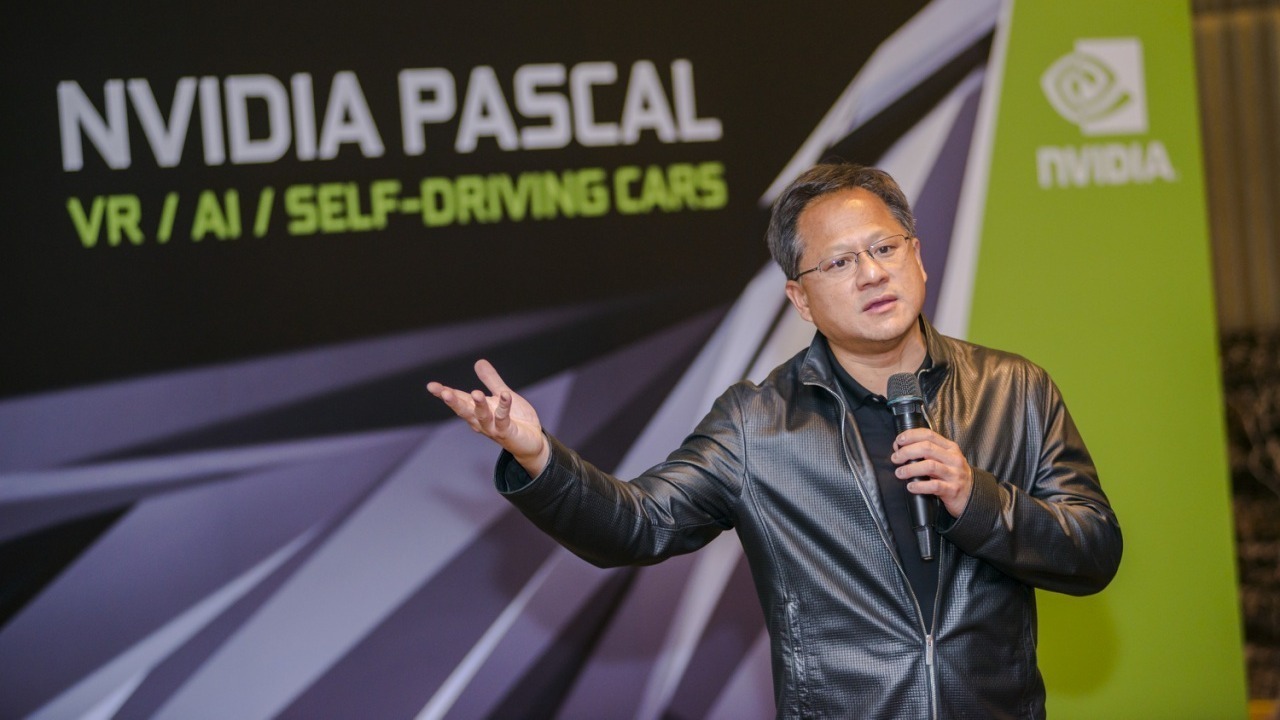
Nvidia’s current market strategies and technological innovations are positioned to capitalize on the AI boom. The company’s advanced GPUs are a significant factor in its projected growth, powering a wide range of AI applications from autonomous vehicles to data centers. Nvidia’s ability to deliver cutting-edge technology that meets the demands of AI developers is a key driver of its success. This technological prowess, combined with strategic partnerships, bolsters Nvidia’s standing in the AI sector.
Nvidia’s collaborations with major tech companies further enhance its position in the market. These partnerships enable Nvidia to integrate its technology into a broader array of applications, expanding its influence and reach. As AI continues to transform industries, Nvidia’s role in facilitating these changes positions it as a leader in the field. This strategic positioning is a critical component of the bullish case for Nvidia, highlighting its potential to thrive in the AI-driven future.
Potential Risks and Market Volatility
The potential volatility in the tech sector, particularly in AI, is a notable risk for investors considering Nvidia. Market corrections and shifts in investor sentiment can significantly impact stocks like Nvidia, which are heavily tied to emerging technologies. Understanding the broader economic factors and trends in AI is crucial for assessing Nvidia’s long-term potential. Investors must weigh the potential rewards against the inherent risks associated with investing in a rapidly evolving industry.
Market dynamics can change rapidly, influenced by technological advancements, regulatory developments, and shifts in consumer demand. These factors can create significant volatility, affecting stock valuations and investor confidence. For Nvidia, the challenge lies in navigating these uncertainties while continuing to innovate and expand its market presence. By staying attuned to industry trends and maintaining a focus on technological excellence, Nvidia can mitigate some of these risks and position itself for sustained growth.
In conclusion, while Dan Ives’ prediction of Nvidia reaching a $5 trillion valuation underscores the company’s potential in the AI industry, it is essential to consider the broader context. The possibility of an AI bubble and the inherent volatility of the tech sector present significant challenges. However, Nvidia’s strategic positioning and technological innovations provide a strong foundation for future growth. Investors must carefully evaluate the opportunities and risks associated with Nvidia’s role in the AI revolution, balancing optimism with caution in this dynamic market landscape.
For more details, you can read the full articles on Yahoo Finance, MSN, and CNBC.

Elias Broderick specializes in residential and commercial real estate, with a focus on market cycles, property fundamentals, and investment strategy. His writing translates complex housing and development trends into clear insights for both new and experienced investors. At The Daily Overview, Elias explores how real estate fits into long-term wealth planning.

