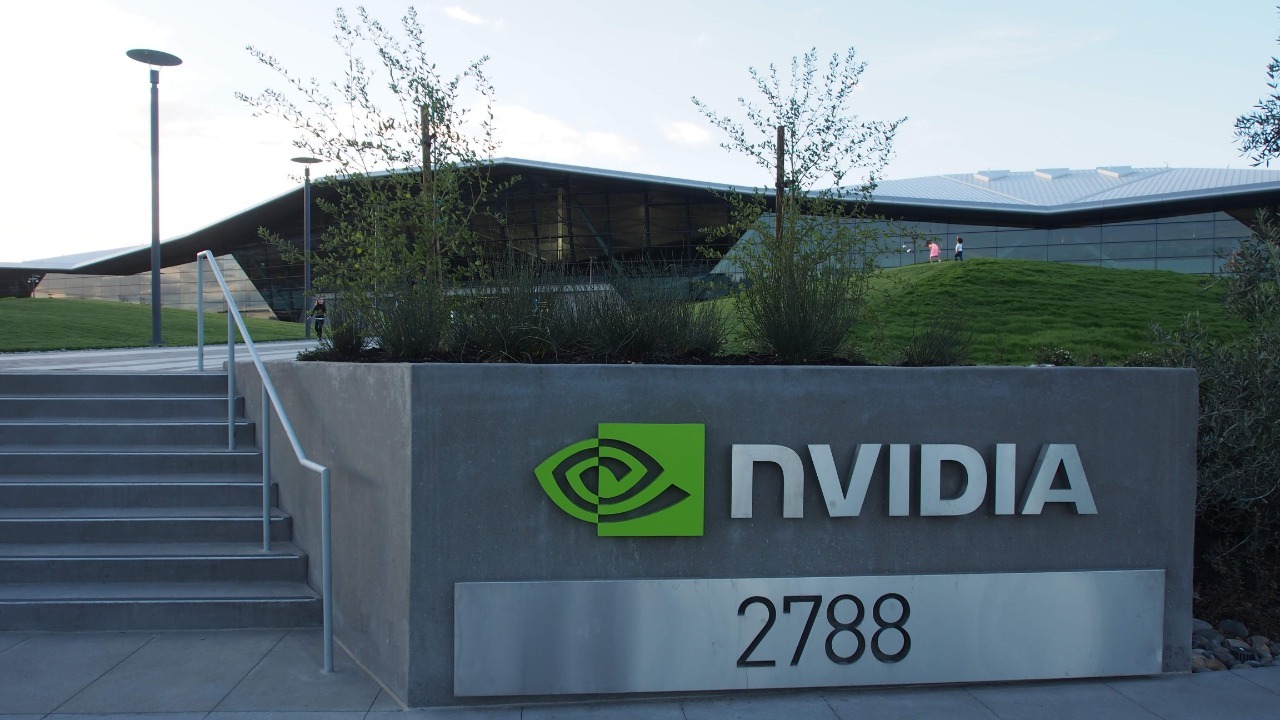
NVIDIA and OpenAI have recently announced a groundbreaking $100 billion deal to construct data centers dedicated to AI computing. This monumental agreement, unveiled on September 22, 2025, has ignited discussions about the potential emergence of an AI bubble. The deal, which some reports describe as vague, also raises significant antitrust concerns for the tech giants involved. As the deal’s implications become clearer by mid-October 2025, its potential impact on industries such as telecommunications is drawing increased scrutiny.
The $100 Billion Agreement
The core of the $100 billion agreement between NVIDIA and OpenAI centers on NVIDIA’s substantial investment in expanding OpenAI’s AI infrastructure. This ambitious plan aims to build state-of-the-art data centers that will enhance AI computing capabilities. However, the deal has been described as vague, with uncertainties surrounding its implementation and funding timelines. The announcement on September 22, 2025, led to immediate market reactions, reflecting the growing demand for AI hardware and the anticipation of NVIDIA’s strategic moves in the AI sector.
Despite the excitement, the lack of detailed information about the deal’s execution has left investors and industry experts questioning its feasibility. The market’s response underscores the high stakes involved, as NVIDIA’s investment is poised to significantly influence the AI landscape. The agreement’s scale and ambition highlight NVIDIA’s commitment to maintaining its leadership in AI technology, but the absence of clear timelines and specifics has fueled speculation about the deal’s true impact.
Antitrust Scrutiny
The $100 billion deal has not only captured the attention of investors but also raised significant antitrust concerns. The potential for monopolistic control over AI chip supply and data center dominance is a key issue. Regulatory bodies such as the FTC and DOJ are likely to scrutinize NVIDIA’s market position and OpenAI’s reliance on its technology. The rapid reporting timeline, with concerns emerging just one day after the deal’s announcement, highlights the urgency of these legal red flags.
Regulators are particularly concerned about the implications of NVIDIA’s expanded influence in the AI sector. The company’s dominant position in AI hardware could lead to reduced competition and innovation, potentially stifling smaller players in the industry. As the deal progresses, the scrutiny from antitrust authorities will be crucial in determining whether NVIDIA’s strategic expansion aligns with fair market practices and competition laws.
Signs of an AI Bubble
The massive scale of the NVIDIA-OpenAI deal has sparked debates about the possibility of an AI bubble. Critics argue that the agreement adds more air to the AI bubble, with overvaluation risks looming large. The deal’s announcement coincided with a surge in NVIDIA’s stock and heightened valuations in the AI sector, raising questions about the sustainability of this speculative fervor.
Comparisons to previous market bubbles have emerged, with analysts drawing parallels to the dot-com boom. The October 19, 2025, perspective on the deal questions whether the current enthusiasm for AI investments is sustainable or merely a speculative frenzy. As investors weigh the potential returns against the risks of overvaluation, the broader market’s response will be a key indicator of the AI sector’s future trajectory.
Implications for Telecommunications
The implications of the NVIDIA-OpenAI agreement extend beyond the tech industry, with significant ramifications for telecommunications. The increased demand for high-bandwidth infrastructure to support AI data centers presents both opportunities and challenges for telecom providers. The need for robust connectivity and power to support these expanded facilities will likely drive partnerships and innovations within the telecom sector.
Telecom companies are poised to play a crucial role in enabling the infrastructure necessary for AI advancements. However, the September 24, 2025, analysis highlights potential challenges, such as the strain on existing networks and the need for substantial investments in new technologies. As the telecommunications industry adapts to these demands, the collaboration between tech giants and telecom providers will be essential in shaping the future of AI-driven connectivity.

Grant Mercer covers market dynamics, business trends, and the economic forces driving growth across industries. His analysis connects macro movements with real-world implications for investors, entrepreneurs, and professionals. Through his work at The Daily Overview, Grant helps readers understand how markets function and where opportunities may emerge.

