
Gold prices have surged past $4,000 per ounce, sparking a rush among New York City jewelers to capitalize on the rally by buying back and reselling gold items at premium rates. This frenzy is centered in Manhattan’s Diamond District, where sellers report a spike in transactions as consumers and investors alike seek to profit from the metal’s historic high. Bloomberg reports that this unprecedented price point has created a unique opportunity for both buyers and sellers in the market.
The Surge in Gold Prices
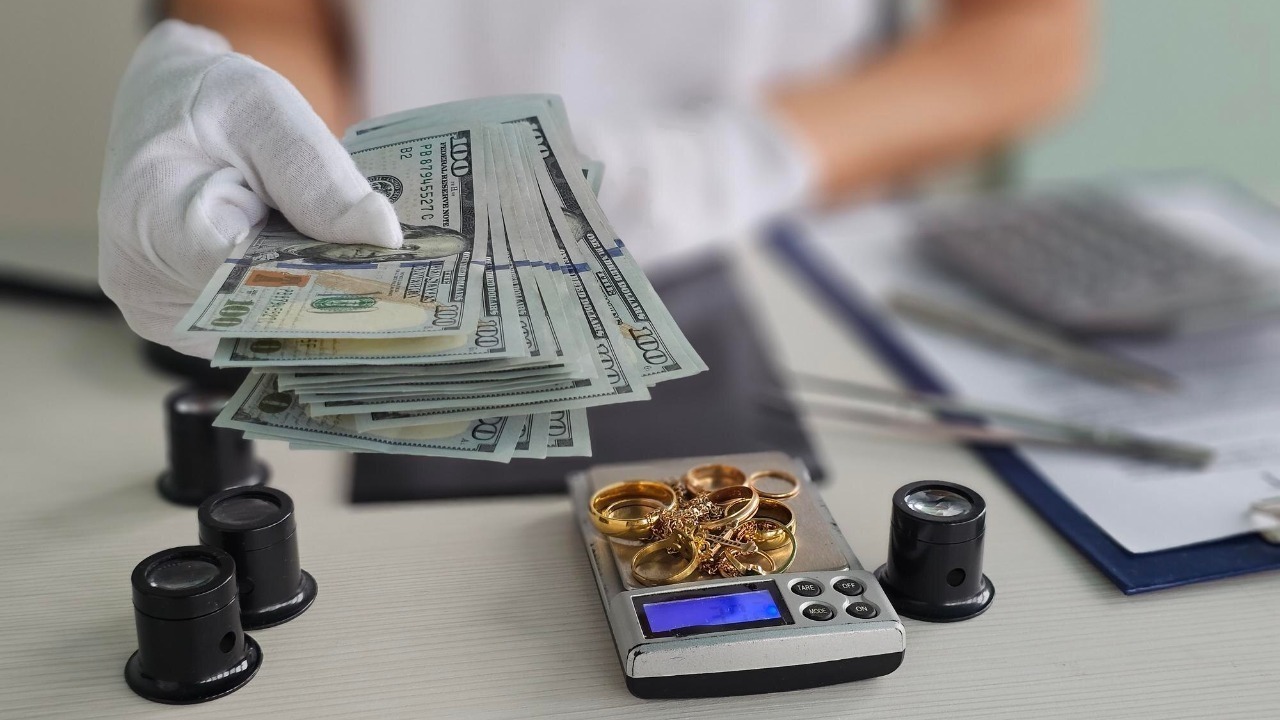
The recent rally in gold prices, pushing past the $4,000 mark, is driven by a mix of global economic uncertainties and the metal’s traditional role as an inflation hedge. As inflation fears rise, investors are increasingly turning to gold as a safe haven, propelling its value to new heights. The exact peak reached in recent trading sessions underscores the metal’s appeal amid volatile market conditions. This surge has been particularly pronounced in the weeks leading up to October 2025, with spot market volumes in New York reflecting heightened activity as traders and investors scramble to adjust their portfolios.
The timeline of this price increase reveals a rapid acceleration, with significant gains noted in the weeks preceding October 2025. This momentum has been fueled by a combination of geopolitical tensions and economic policy shifts, which have amplified gold’s allure as a stable investment. Comparisons to previous gold rallies, such as the notable surge in 2020, highlight the current milestone’s significance. During that period, gold approached $2,000 per ounce, a figure that seemed monumental at the time. Now, with prices doubling that previous high, the implications for investors are profound, offering both opportunities and challenges in navigating this dynamic market.
Jewelers’ Strategies in Response
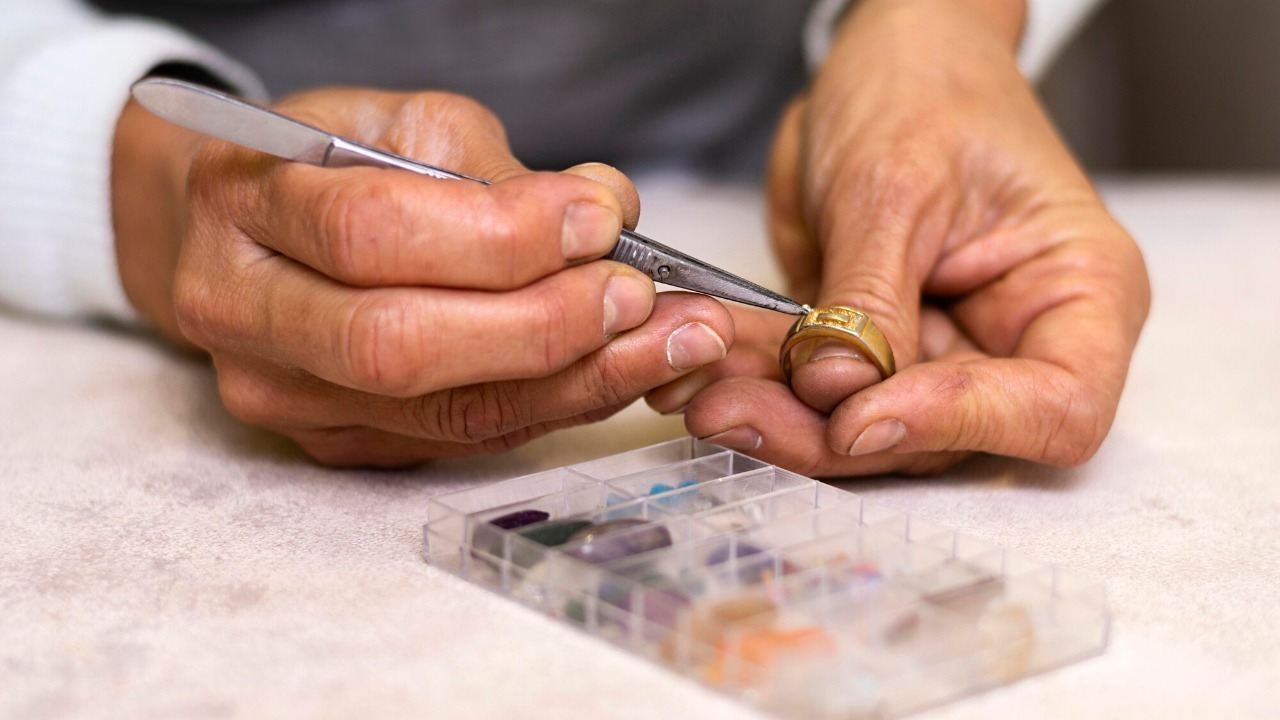
In response to the soaring gold prices, NYC jewelers are swiftly adapting their strategies to maximize profits. Many are adjusting their buyback policies, offering up to 95% of the melt value for gold jewelry to attract quick sales from the public. This approach not only incentivizes sellers but also ensures that jewelers can maintain a steady supply of gold to meet the burgeoning demand. The increased activity in pawnshops and resale operations across Midtown Manhattan is a testament to this strategy’s effectiveness, with daily gold intake reportedly doubling since the rally began.
The bustling activity in the Diamond District reflects a broader trend among jewelers who are keen to capitalize on the current market conditions. By offering competitive buyback rates, these businesses are positioning themselves as attractive options for individuals looking to liquidate their gold assets. This strategy is particularly effective in a market where the potential for quick profits is high, and the demand for gold remains robust. As a result, jewelers are not only benefiting from increased sales but are also reinforcing their reputation as key players in the gold market.
Key Players and Examples

Among the key players in this gold rush is a veteran jeweler from the Diamond District, who has reported melting down $500,000 in gold scraps weekly to refine and resell at the new highs. This aggressive approach underscores the lucrative opportunities available to those who can efficiently process and market gold in the current climate. The jeweler’s strategy highlights the importance of agility and foresight in capitalizing on market trends.
Customer stories further illustrate the personal windfalls amid this gold rush. For instance, a Brooklyn resident recently sold heirloom pieces, netting a $20,000 profit. Such stories are becoming increasingly common as individuals recognize the potential for significant financial gains. Meanwhile, a specific store on West 47th Street has expanded its hours to handle the influx of customers, with the owner describing the situation as a “once-in-a-lifetime” opportunity. This expansion reflects the broader sentiment among jewelers who are eager to seize the moment and maximize their returns.
Market and Economic Implications

The ripple effects of gold’s rally on NYC’s jewelry sector are substantial, with a reported 30% rise in gold-related revenues for small businesses since prices crossed the $4,000 threshold. This surge in revenue underscores the significant economic impact of the rally, providing a much-needed boost to local businesses. However, jewelers also warn of potential risks, such as fluctuating resale values if gold prices correct. This cautionary note highlights the inherent volatility of the market and the need for strategic planning to mitigate potential losses.
Beyond the immediate financial implications, the rally is also affecting the broader supply chain. Refineries in New Jersey are processing overflow from NYC’s cash-in boom, illustrating the interconnected nature of the gold market. As jewelers and refineries work to meet the increased demand, the potential for supply chain disruptions looms, emphasizing the importance of efficient logistics and resource management. These developments highlight the complex dynamics at play in the gold market and the far-reaching consequences of its current trajectory.

Elias Broderick specializes in residential and commercial real estate, with a focus on market cycles, property fundamentals, and investment strategy. His writing translates complex housing and development trends into clear insights for both new and experienced investors. At The Daily Overview, Elias explores how real estate fits into long-term wealth planning.

