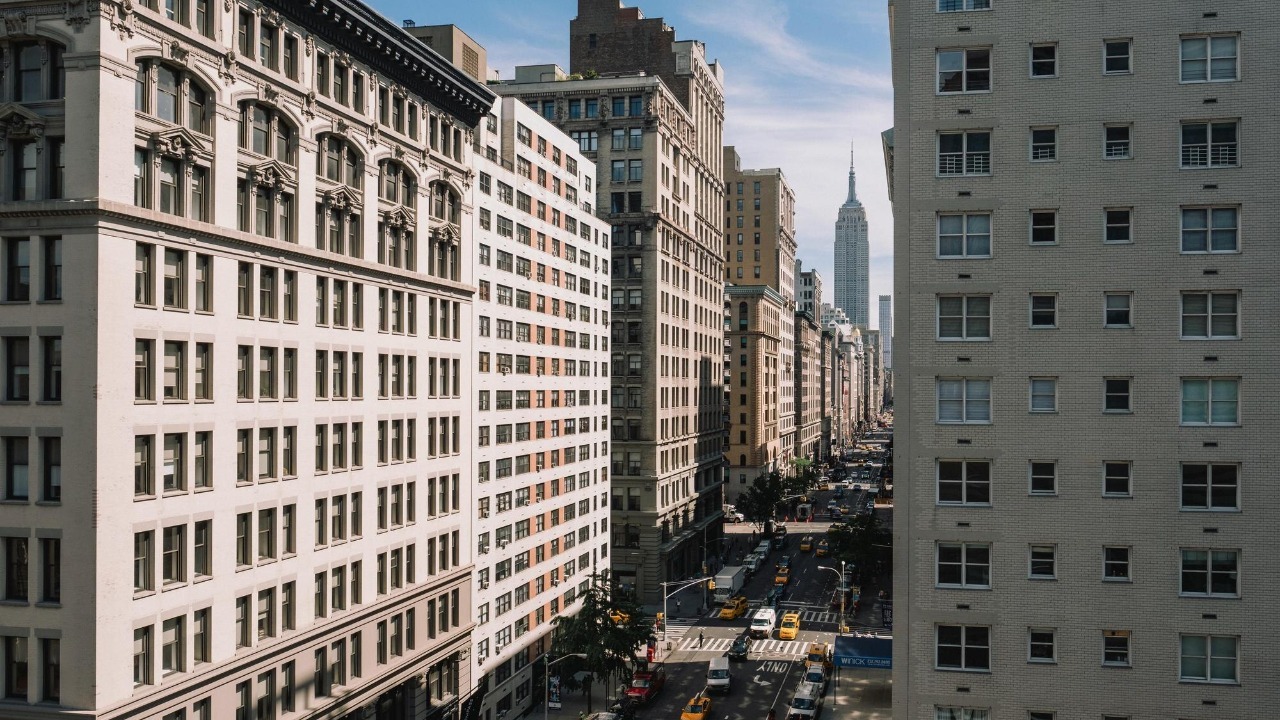
New York’s rent wars are colliding with its tax machine, and the fallout is landing squarely on the city’s landlords. As Mayor Zohran Mamdani pushes a sweeping rent-freeze pledge, property owners are staring at higher tax bills that threaten to erase already thin margins and, paradoxically, set the stage for higher prices over time. I see a policy clash emerging in which political promises of relief for tenants run headlong into the hard math of operating costs, debt service, and a tax system that rarely blinks.
The stakes are not abstract. From small walk-up owners in Brooklyn to large portfolio players with hundreds of units, the message is the same: if rents are locked while expenses keep climbing, something else has to give. In New York’s case, that “something” is increasingly the property tax line, which is rising even as elected officials talk about freezing what tenants pay.
Tax hikes collide with Mamdani’s rent-freeze push
The political centerpiece of the current fight is Mayor Zohran Mamdani’s promise to freeze rents across a wide swath of New York City apartments. The pledge has electrified tenant advocates but left landlords bracing for a fiscal squeeze, because the same City Hall that is talking about a rent freeze is also preparing higher assessments that will push tax bills up. Reporting on NYC property owners shows how that contradiction is playing out in real time, with owners warning that a tax hike layered on top of frozen rents is a recipe for distress.
Jan budget projections have already signaled that the City expects to lean heavily on real estate levies to balance its books, even as Mamdani sells his rent-freeze plan as a lifeline for tenants. That tension is captured in the frustration of owners who argue that the administration cannot have it both ways, promising tenants stable rents while sending owners ever-larger tax bills. For them, the rent-freeze rhetoric sounds less like a social contract and more like a political slogan that ignores the financial structure of the housing system.
“Freeze the taxes too”: landlords push back on rising bills
On the ground, the backlash has crystallized into a simple demand: if the City wants to freeze rents, it should also freeze what landlords pay in taxes. One owner put it bluntly, saying, “You want to freeze the rent? Freeze the property taxes or lower them. Right now, you’re increasing the expenses to my building.” That quote, captured in coverage of the city’s latest assessment roll, reflects a broader sentiment that You cannot lock in revenue on one side of the ledger while letting costs climb unchecked on the other.
Behind that anger is a tax system that has been quietly ratcheting up for years. Assessments on co-ops, condos, and rental buildings have climbed to record levels, with one analysis warning that property taxes are “continuing their relentless rise” and that “Their occupants generally do not have personal incomes that have increased commensurate with real estate taxes.” Those sobering numbers, detailed in a review of property tax assessments, underscore why landlords see the rent-freeze push as financially incoherent: the City is effectively asking them to absorb rising public costs as a private subsidy.
Operating costs surge while rents stand still
Even before the latest tax hikes, the economics of owning rent-regulated buildings in New York City were deteriorating. Between April 2024 and March 2025, operating costs for rent-stabilized buildings increased 6.3%, a jump that covered everything from maintenance to utilities. That figure, laid out in an analysis of how expenses have shifted Between April, shows how quickly the cost side of the ledger is moving even before any new policy shock.
Drill down further and the picture gets starker. Property taxes, which already represent 29% of total operating expenses for many rent-stabilized buildings, rose 3.9% in the most recent period. Insurance costs, a line item that owners once treated as relatively predictable, have skyrocketed 150% from 2019 to 2025. Those exact figures, drawn from a breakdown of Property and Insurance, illustrate why small landlords in particular say they are being squeezed from all sides. When nearly a third of your budget is taxes and that share is rising faster than your income, a rent freeze stops looking like a temporary sacrifice and starts looking like a structural threat.
From “concrete gold” to distressed asset
For decades, owning apartments in New York was marketed as a one-way bet, a chance to turn “concrete gold” into generational wealth. That narrative is now cracking. Studies cited by investors show that rent control and rent-freeze regimes can depress building values, reduce cash flow, and make banks wary of lending against regulated portfolios. One analysis of the shift in sentiment toward New York notes that what was once a dream market for global capital has, in some cases, become a nightmare of capped income and rising obligations.
Lenders are already adjusting. Legal and financial advisers tracking the sector report that New York City (“NYC”) rent-freeze policies and rent stabilization laws have created significant financial strain on rent-regulated owners, with rising defaults and loans being flagged as distressed. Some properties are now selling at steep discounts as investors price in the risk that income will remain flat while costs keep climbing. That shift, documented in a review of how New York City lenders are reacting, is not just a problem for landlords. It threatens to ripple into the broader credit markets that finance everything from building upgrades to new construction.
Small landlords, lenders, and tenants share the risk
While large institutional owners can sometimes absorb short-term shocks, the current policy mix is hitting smaller landlords hardest. In interviews and public forums, owners of modest buildings describe a financial crisis in which they are locked into rent levels that no longer cover their bills. A detailed breakdown of the “NYC Rent Freeze: Small Landlords Face Financial Crisis” narrative, published in Nov, shows how quickly the math has turned against them as operating costs, including taxes and insurance, outpace regulated rent rolls. For many, the choice is becoming stark: defer maintenance, cut services, or sell at a discount to a better-capitalized buyer.
Those pressures are now spilling into the political arena. In a widely shared segment, York City landlords appeared on television from Brooklyn to sound the alarm over Mandami’s rent-freeze plan, warning that the policy could backfire on tenants if it drives smaller owners out of the market. The clip, which featured on-the-ground voices from Brooklyn, captured a key point that often gets lost in the rhetoric: when landlords cannot cover basic expenses, buildings deteriorate, lenders pull back, and the long-term result can be fewer habitable apartments, not more affordability.
More From The Daily Overview

Elias Broderick specializes in residential and commercial real estate, with a focus on market cycles, property fundamentals, and investment strategy. His writing translates complex housing and development trends into clear insights for both new and experienced investors. At The Daily Overview, Elias explores how real estate fits into long-term wealth planning.

