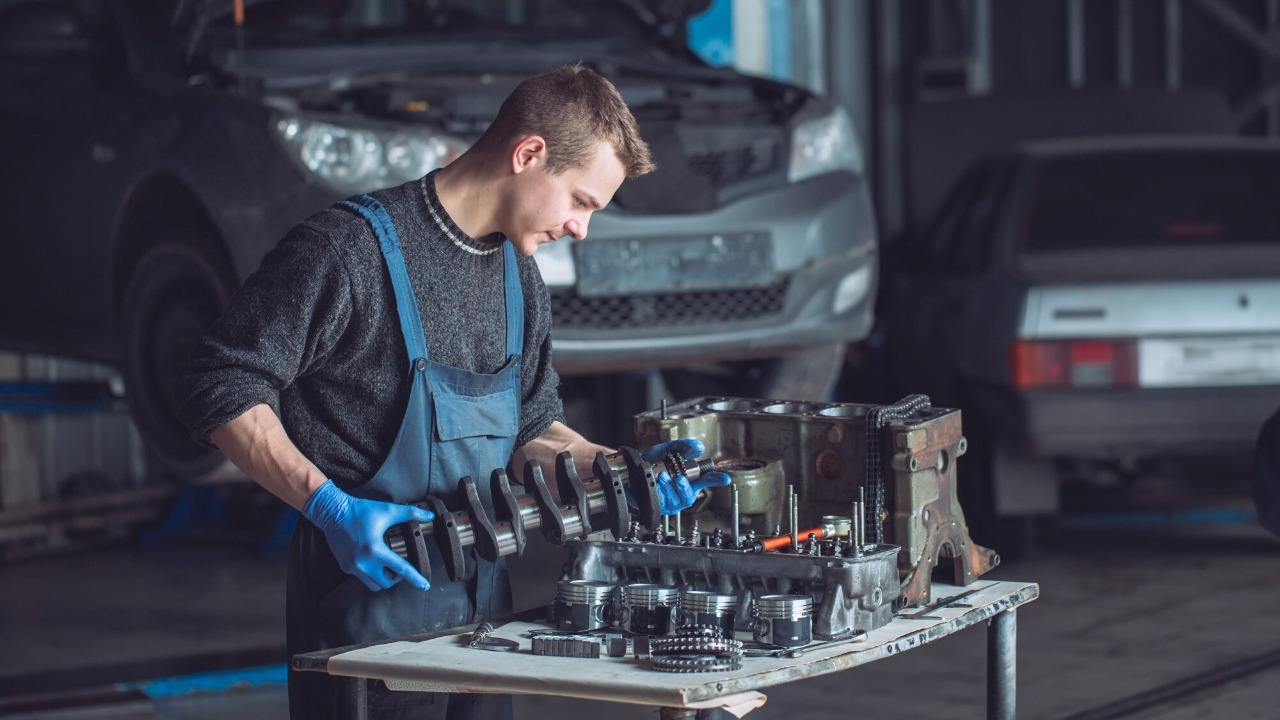
In the world of automotive restoration and collection, old car parts have become a sought-after commodity for hobbyists and enthusiasts. These individuals often pay cash to acquire rare and vintage components that can bring their beloved vehicles back to life or complete a restoration project. Exploring the various car parts that hobbyists are willing to pay top dollar for reveals the reasons behind this growing trend.
The Appeal of Vintage Car Parts
Historical Significance and Authenticity
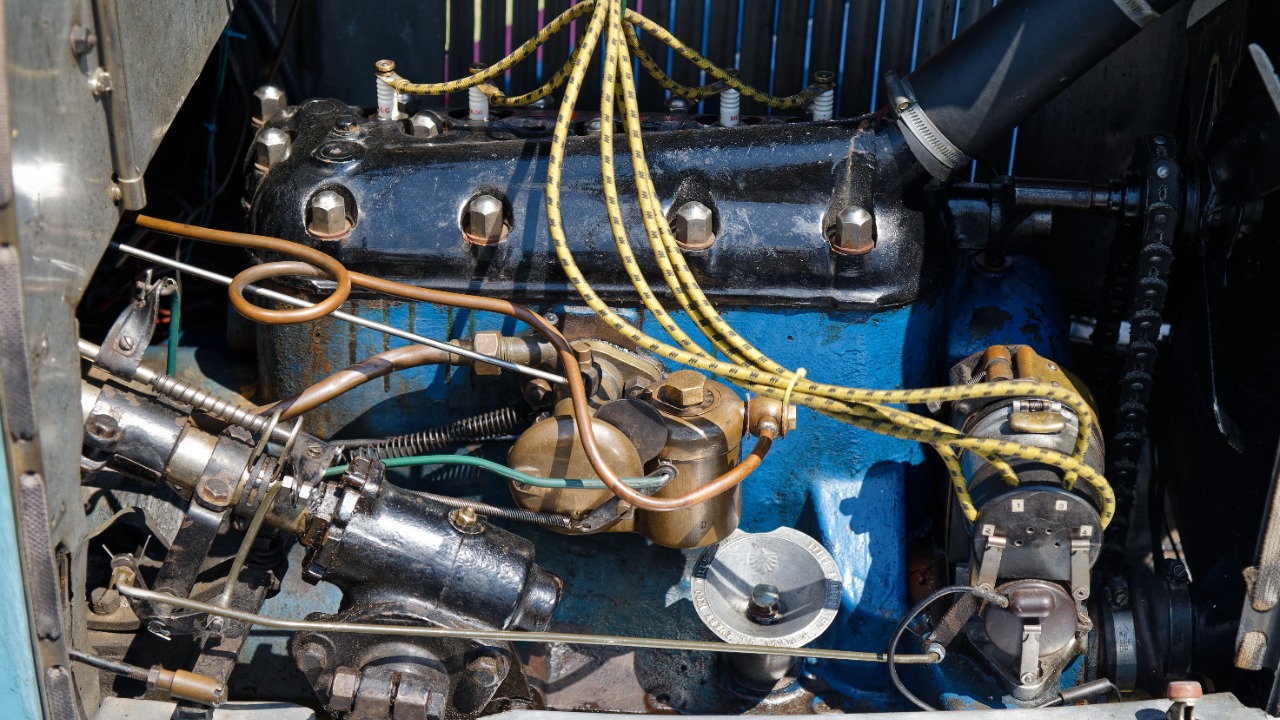
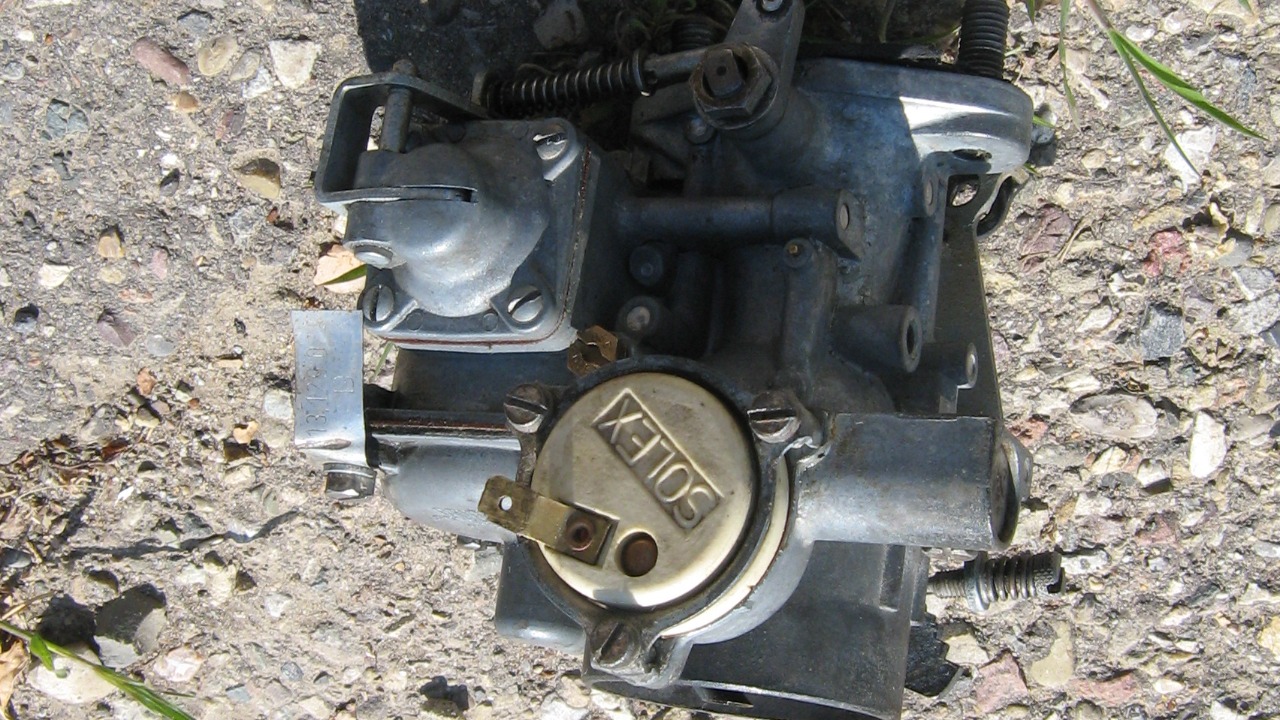
Vintage car parts carry a unique historical value, providing more than just a functional component to a vehicle. These parts are often imbued with the stories and craftsmanship of a bygone era, making them treasures for collectors who value authenticity. For instance, an original carburetor from a 1965 Ford Mustang not only enhances the car’s performance but also adds an element of historical accuracy that replicas or modern replacements cannot match.
The pursuit of authenticity is a significant driver for collectors who are passionate about preserving the legacy of classic cars. Genuine parts ensure that the vehicle maintains its original character and charm, which is pivotal for those who view their cars as pieces of history. This dedication to authenticity is why many hobbyists are willing to invest considerable sums to acquire these rare components.
The Quest for Originality
In car restoration, originality is often synonymous with value. The ability to restore a vehicle using original parts is highly prized among enthusiasts, as it helps maintain the car’s integrity and enhances its market value. This quest for originality explains why components like original engine blocks, transmissions, and even minor details such as trim pieces are in high demand.
Original parts provide a level of detail that aftermarket replacements simply cannot replicate. They ensure that every aspect of the vehicle, from the engine’s purr to the shine of the chrome, reflects its original design. Collectors often find that the authenticity offered by original parts is crucial in competitions and exhibitions, where judges scrutinize every detail. The desire to own and showcase vehicles in their truest form fuels the market for vintage car parts.
Popular Car Parts in Demand
Engine Components
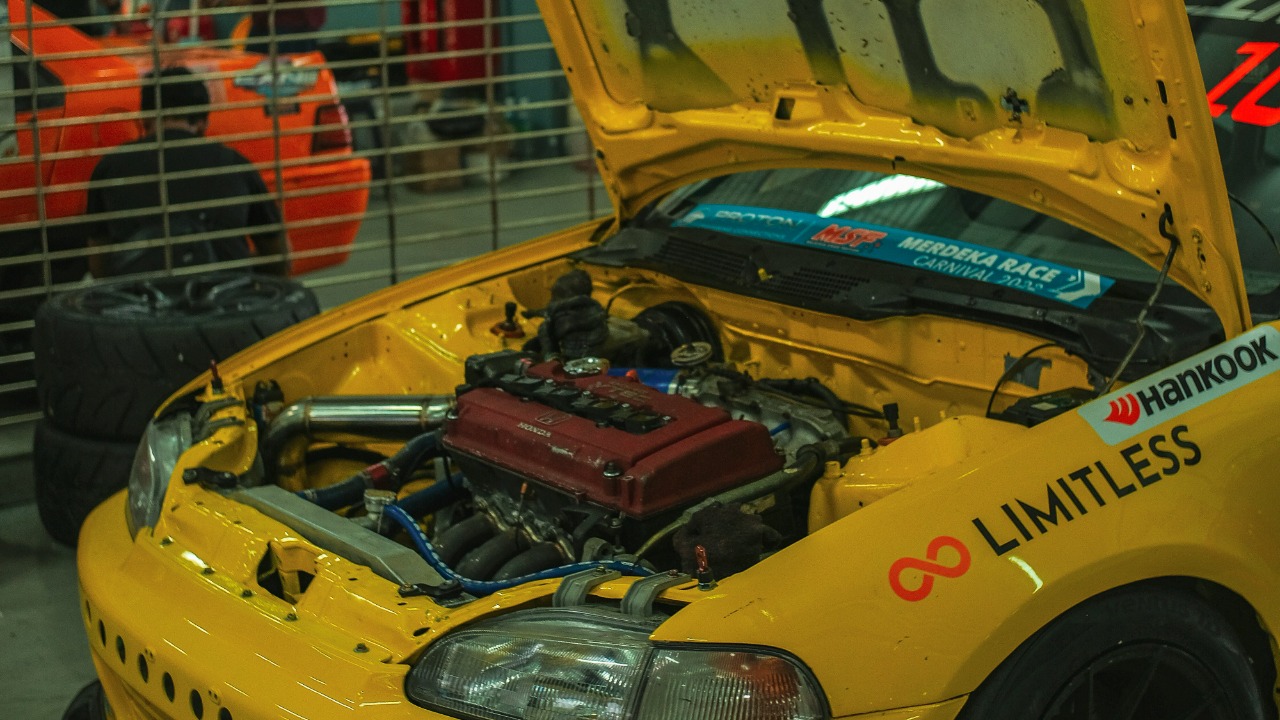
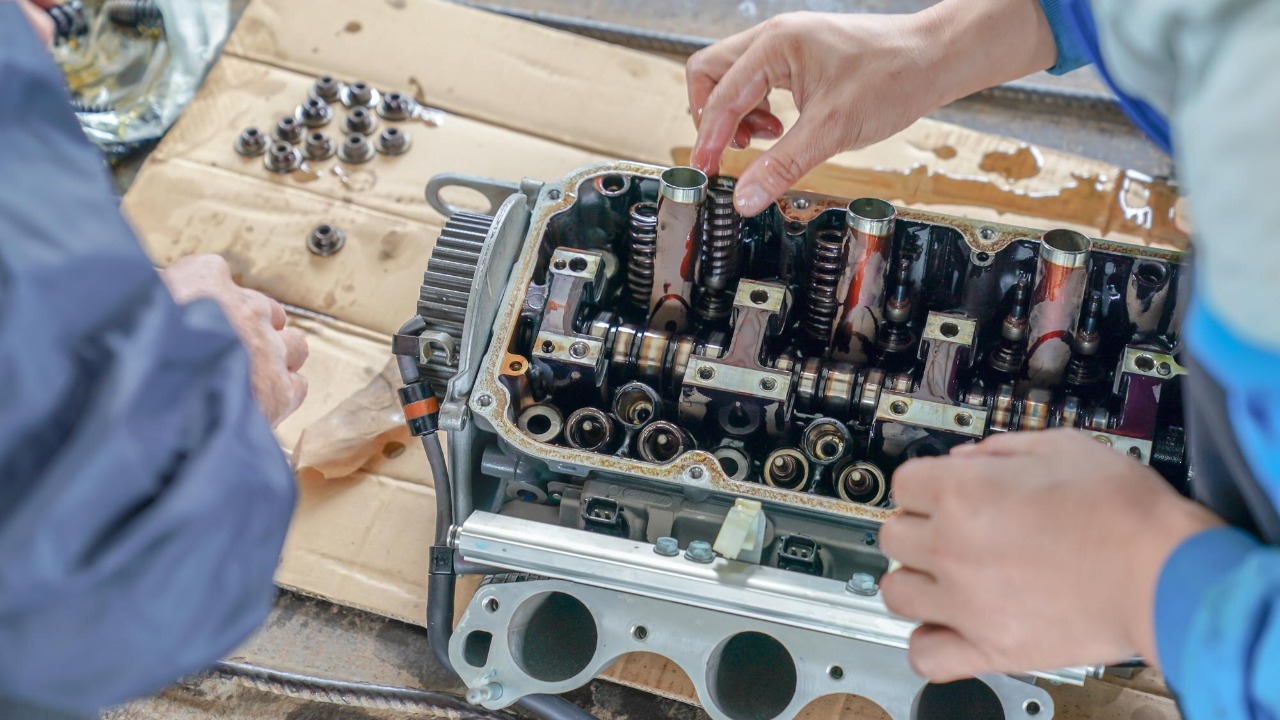
The engine is the heart of any vehicle, and enthusiasts know that having the right components can significantly impact performance and authenticity. Rare engine parts, such as a period-correct cylinder head for a 1967 Chevrolet Camaro, are highly coveted. These parts can be challenging to find, but they are essential for restoring a car to its original condition.
For hobbyists, acquiring the correct engine components means more than just making the car run. It involves reviving the spirit of the vehicle, allowing it to perform as it did when it first rolled off the assembly line. This attention to detail is why collectors are willing to pay a premium for hard-to-find engine parts that contribute to their car’s performance and authenticity.
Body Panels and Trim
Original body panels and trim pieces play a critical role in the aesthetics of a classic car. These components are often difficult to find due to their fragility and the fact that many have succumbed to rust or damage over time. For instance, an original fender for a 1959 Cadillac Eldorado is a rare find that can make or break a restoration project.
The value of these parts lies in their ability to maintain the car’s original lines and contours, which are often lost with aftermarket replacements. Collectors and restorers prioritize original body panels and trim because they are essential for achieving a factory-correct appearance. The scarcity and importance of these parts make them a hot commodity in the world of car restoration.
The Economics of Car Part Collecting
Investment Potential
Beyond their historical and aesthetic value, certain car parts have emerged as lucrative investments. As demand for classic cars and their components continues to rise, so does the potential for these parts to appreciate in value. Original components for rare models, such as the Ferrari 250 GTO, can fetch astronomical prices at auction, making them desirable investments.
Investors are increasingly recognizing the financial potential of classic car parts as the market for collectible cars expands. According to a McKinsey report, the collectible car market is evolving from a niche hobby to a significant growth sector, further driving interest in authentic parts. This investment potential attracts not just hobbyists but also savvy investors looking to diversify their portfolios.
Market Dynamics and Pricing
The market for old car parts is shaped by several factors, including rarity, condition, and demand. Parts that are scarce, in good condition, and highly sought after command premium prices. For instance, a pristine original dashboard for a 1963 Chevrolet Corvette is rare and, therefore, more valuable.
Market dynamics also play a role in pricing, as trends in car collecting can influence which parts are in demand. For example, as interest in restoring muscle cars has increased, so has the demand for parts specific to those vehicles. Understanding these dynamics is crucial for both buyers and sellers looking to navigate the market effectively.
Where to Find and Sell Old Car Parts

Online Communities and Forums
The internet has revolutionized the way hobbyists find and trade old car parts. Online communities and forums, such as Reddit’s project car subreddit, provide platforms where enthusiasts can connect, share information, and conduct transactions. These digital spaces are invaluable for those searching for specific parts or looking to sell their own.
Forums allow users to post wants and offers, creating a lively marketplace for enthusiasts. They also serve as a repository of knowledge, where experienced collectors can offer advice and guidance on sourcing authentic parts. The accessibility and breadth of information available online have made it easier than ever for hobbyists to pursue their passion.
Car Shows and Swap Meets
Car shows and swap meets remain popular venues for buying and selling vintage car parts. These events offer enthusiasts the chance to see parts in person, which is particularly valuable when authenticity and condition are crucial. Attendees can network with other collectors, exchange tips, and even discover rare finds that aren’t available online.
Swap meets, such as those held at the Carlisle Events in Pennsylvania, are a staple for hobbyists. They provide a tactile experience that online shopping cannot replicate, allowing buyers and sellers to negotiate and inspect parts up close. These gatherings are not just about transactions; they’re about community and shared passion, reinforcing the social aspect of car collecting.
Challenges and Considerations
Authenticity Verification
One of the significant challenges in purchasing vintage car parts is verifying their authenticity. With the high value placed on original components, the market has seen an influx of counterfeit goods. Buyers must be vigilant, often relying on expert evaluations or documented provenance to ensure they are purchasing genuine parts.
Authenticity is crucial not only for maintaining a vehicle’s historical integrity but also for its value. Collectors often seek the advice of specialists or use resources like the Society of Automotive Historians to verify the provenance of parts. Ensuring authenticity is a critical step for anyone serious about investing in vintage car components.
Legal and Environmental Concerns
When buying and selling old car parts, enthusiasts must also be aware of legal and environmental considerations. Certain parts may be subject to restrictions due to emissions regulations or safety standards. For instance, selling a used catalytic converter without proper documentation can lead to legal issues, as these parts are often targeted for theft due to their valuable materials.
Environmental concerns also play a role, as the disposal of old car parts must comply with regulations to prevent pollution. Enthusiasts are encouraged to work with reputable sellers and buyers who adhere to sustainable practices. Navigating these challenges is essential for maintaining the integrity and legality of their collections.

Cole Whitaker focuses on the fundamentals of money management, helping readers make smarter decisions around income, spending, saving, and long-term financial stability. His writing emphasizes clarity, discipline, and practical systems that work in real life. At The Daily Overview, Cole breaks down personal finance topics into straightforward guidance readers can apply immediately.
