Throughout history, many families have amassed incredible fortunes, only to see their wealth dissipate over time. These stories of financial decline often involve lavish spending, poor investments, or significant historical events that reshaped their legacies. Here, we explore ten famous families whose riches have faded away, highlighting the key moments that led to their financial downfall.
The Vanderbilt Family’s Railroad Empire Crumbles
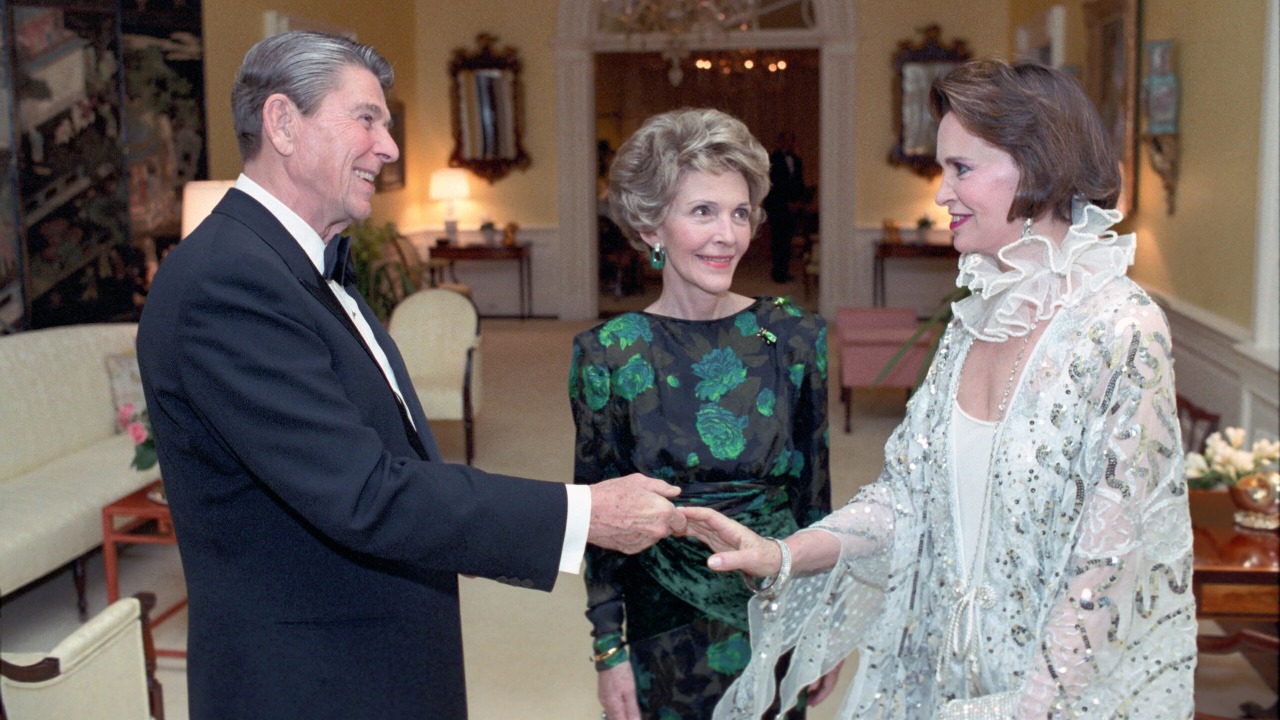
The Vanderbilt family, once synonymous with American wealth, built a staggering fortune of $200 billion (in today’s dollars) through their 19th-century railroad empire. However, by the 1970s, the family’s wealth had dwindled significantly. Gloria Vanderbilt, the last direct descendant, was left with only $200 million. This dramatic decline was largely due to extravagant spending and poor investment choices, which eroded the family’s financial foundation over generations. The Vanderbilt story serves as a cautionary tale about the perils of unchecked opulence and financial mismanagement according to Forbes.
The Astor Dynasty’s Fur and Real Estate Legacy Dissipates

John Jacob Astor’s family fortune, built on fur trading and New York real estate, reached an impressive $110 billion (adjusted) by the early 1800s. However, by the mid-20th century, the Astor wealth had largely vanished. Vincent Astor, one of the last prominent heirs, chose to give away the family’s fortune through philanthropy, leaving no significant inheritance by his death in 1959. This decision reflected a shift in values and priorities, as the family legacy transitioned from wealth accumulation to charitable contributions as reported by History.com.
William Waldorf Astor’s Transatlantic Squandering
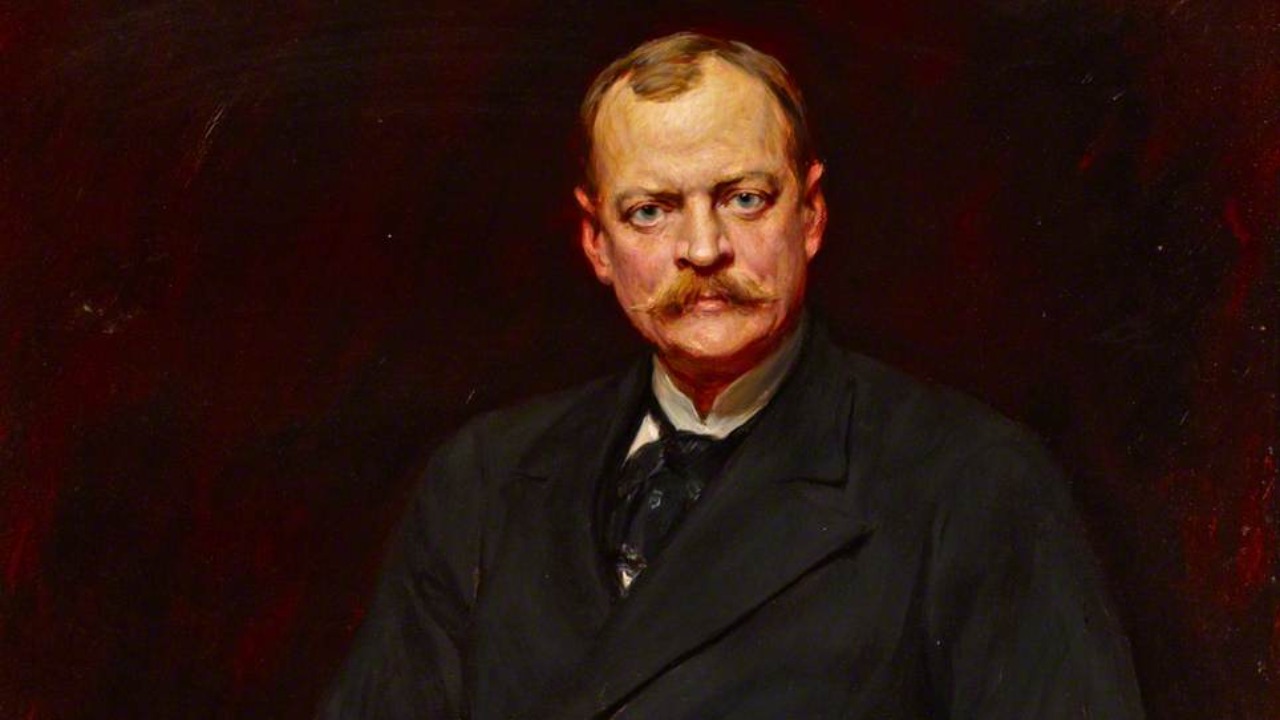
William Waldorf Astor, a great-great-grandson of John Jacob Astor, moved the family seat to England in 1890, investing $1.5 million in Hever Castle. Despite this grand relocation, the British branch of the Astor family squandered their wealth on maintaining estates and social climbing. By the 1970s, the title survived, but the fortune did not. This transatlantic move illustrates how strategic missteps and lifestyle choices can deplete even the most substantial fortunes as detailed by Smithsonian Magazine.
The Whitney Heirs’ Lavish Losses in the Gilded Age
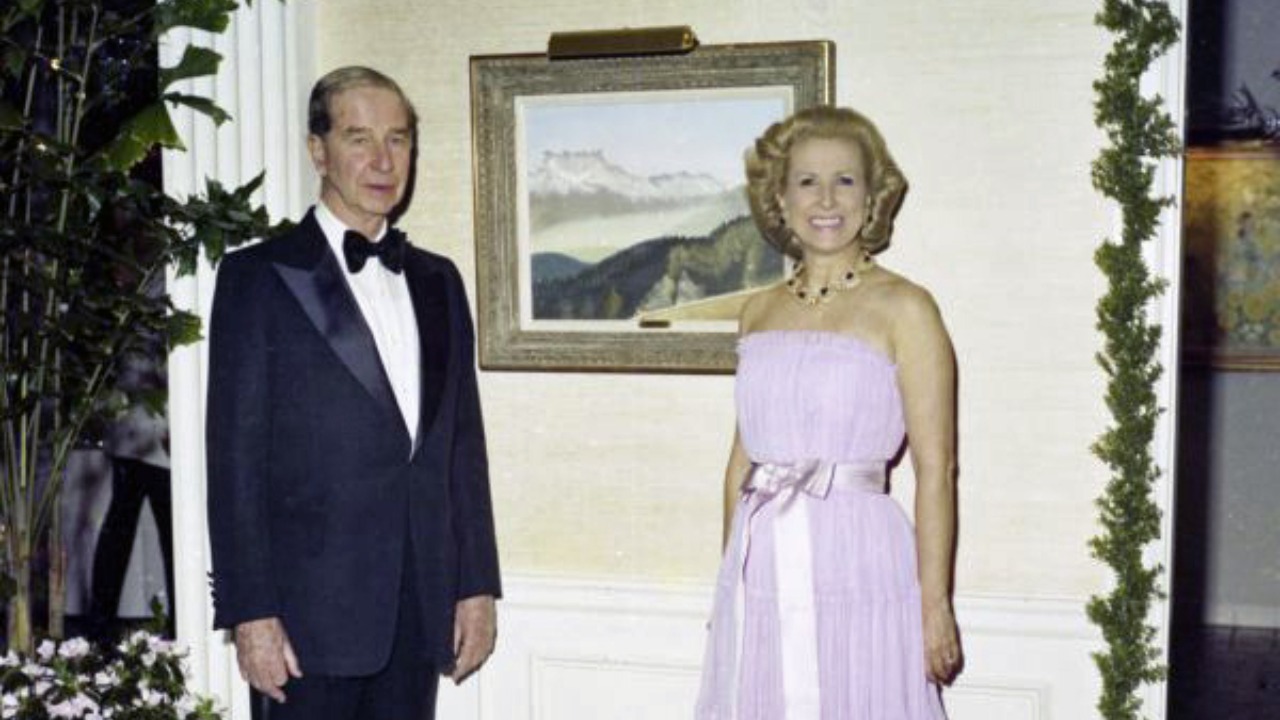
The Whitney family, known for their banking and breeding enterprises, peaked at $100 million in 1915, a sum equivalent to billions today. However, by the 1940s, the family’s wealth had significantly diminished. Gertrude Vanderbilt Whitney’s generous art donations and a series of costly divorces contributed to this decline, leaving descendants reliant on dwindling trusts. The Whitney story highlights the impact of personal decisions and cultural shifts on family fortunes as explored by The New Yorker.
The Guggenheim Mining Magnates’ Philanthropic Division

The Guggenheim family amassed a $300 million fortune from mining by 1919. However, Daniel Guggenheim’s heirs divided this wealth into trusts that funded the arts over generations. By the 1980s, the centralized wealth had dissipated as family members pursued individual careers. This division underscores the challenges of maintaining a unified financial legacy across generations as noted by the Jewish Virtual Library.
The Krupp Steel Giants’ Post-War Seizure

The Krupp family, once at the helm of a steel empire worth billions in the 19th century, faced significant losses post-World War II. The denazification process and nationalization in 1943 under Alfried Krupp led to the loss of control over their industrial assets. By 1967, the family had faded from industrial power, receiving only symbolic payments. This story illustrates the profound impact of geopolitical events on private fortunes as documented by Britannica.
The Medici Bankers’ Renaissance Ruin

The Medici family, renowned for their banking wealth in 15th-century Florence, controlled a fortune equivalent to $129 billion today. However, by 1737, the grand ducal line ended in bankruptcy. Gian Gastone de’ Medici, the last of the line, died without heirs, scattering the family’s fortune. The Medici decline highlights the volatility of political power and financial stability as reported by History.com.
The Fugger Financiers’ War-Time Wipeout

The Fugger family dominated European banking in 1527, with a fortune representing 2% of Europe’s GDP, about $400 billion today. However, the Thirty Years’ War and failed loans to the Habsburgs led to their financial decline. By 1650, the family was land-rich but cash-poor. This narrative underscores the risks of overextending financial commitments in volatile political climates as analyzed by The Economist.
The Rothschild Branches’ 20th-Century Nationalizations

The Rothschild family, with banking empires peaking at $350 billion (adjusted) in the 19th century, faced significant reductions due to 20th-century world wars and nationalizations. By 1982, Guy de Rothschild sold the French line’s holdings, marking a significant shift in the family’s financial landscape. This story highlights the impact of global conflicts and internal divisions on enduring legacies as detailed by The Telegraph.
The Windsors’ Monarchical Money Woes

The Windsor family, the British royals, experienced a net worth drop from £1.5 billion in 1910 to operational deficits by the 1990s. Inheritance taxes and scandals, including the costly 1992 Windsor Castle fire, which Queen Elizabeth II personally funded, contributed to this decline. This financial strain reflects the challenges of maintaining royal wealth amidst modern economic pressures as reported by the BBC.

Grant Mercer covers market dynamics, business trends, and the economic forces driving growth across industries. His analysis connects macro movements with real-world implications for investors, entrepreneurs, and professionals. Through his work at The Daily Overview, Grant helps readers understand how markets function and where opportunities may emerge.