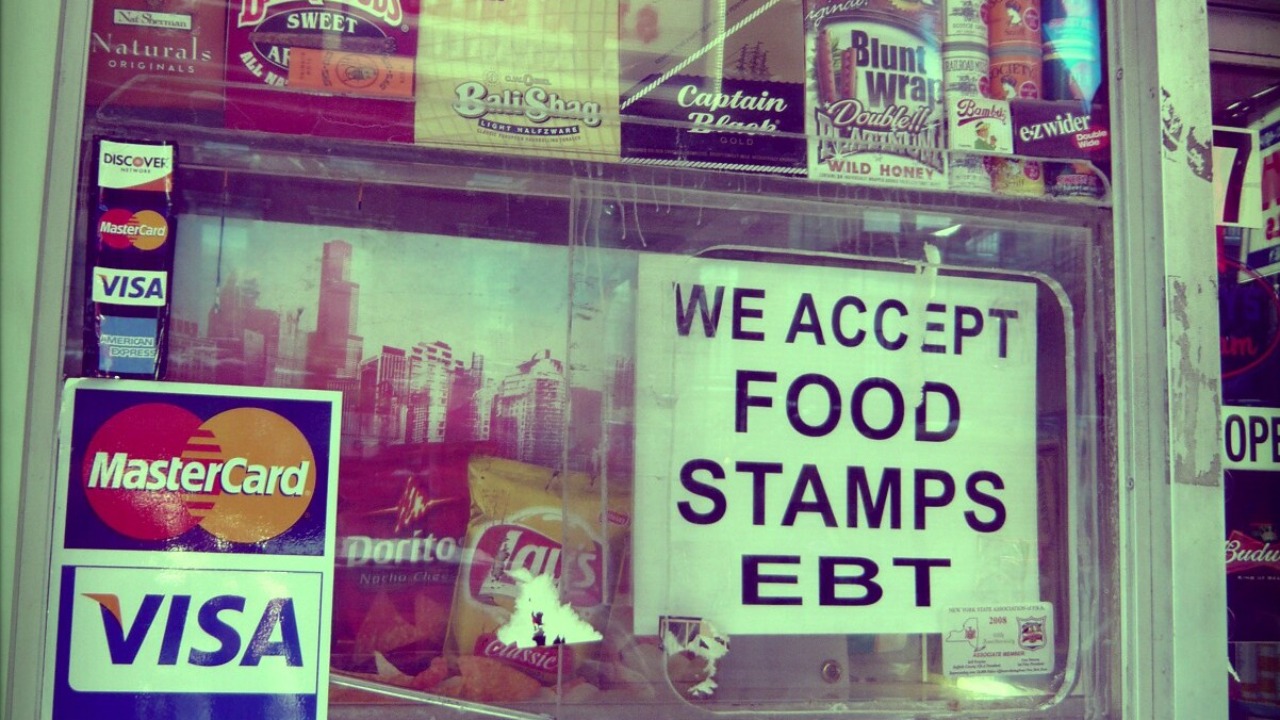
Starting November 21, 2026, Oregon households applying for or renewing SNAP must show proof of every housing and utility cost they report. Costs that go unproven by the due date are left out of the benefit calculation, which can lower the amount of food benefits a household receives.
The Oregon Department of Human Services (ODHS) says missing proof does not, by itself, end SNAP. The agency also says the proof does not have to carry the applicant’s name or address, so a bill in a roommate’s name can still be used.
What Oregon’s SNAP proof rule covers
According to the ODHS SNAP interviews page, the rule applies to each housing and utility cost a household reports when it applies for or renews SNAP. ODHS says it will send a notice listing the proof needed and when it is due.
Housing costs cover rent or a mortgage. The agency’s April bulletin on the change also listed electricity, gas, water and other utilities as covered costs. Those expenses matter because SNAP benefits are calculated from a household’s reported income and costs, and a cost that is not counted cannot help the calculation.
The page does not publish dollar figures for how much a benefit could change, and it does not name a federal provision behind the requirement. How much any one household loses depends on its own income, size and reported costs.
Inside the organizer: A renewal document checklist and the Oregon state pack, one of 51 state packs, put the rent, mortgage and utility papers that a renewal asks for on one list, so each reported cost can be matched to a bill, receipt or statement. Open The SNAP & Medicaid Renewal Organizer.
Documents ODHS accepts for rent, mortgage and utilities
ODHS lists these types of proof for housing costs:
- A rental agreement or mortgage bill.
- A written receipt from a landlord.
- A bank statement showing a payment to a landlord, property manager or mortgage company.
- A payment app screenshot (Venmo, PayPal or Cash App) showing the housing payment.
- A written statement from a roommate who is not part of the SNAP case.
For utilities, the accepted proof is:
- A rental agreement showing which utilities the household pays.
- A utility bill or written receipt from the utility company.
- A payment app screenshot showing the payment was for a specific utility.
- A written statement from a roommate who is not part of the SNAP case.
The page says other types of proof may also work. A household that splits costs with a roommate, for example, can use the roommate’s statement, and a utility bill held in the roommate’s name is acceptable because proof does not need to show the applicant’s name or address.
When current Oregon SNAP households must send proof
Households already receiving SNAP do not have to send proof just because the rule starts on November 21, according to ODHS. Proof is needed at renewal, or when certain changes are reported, such as a move or a change in utility costs.
That makes the rule broader than a one-time renewal task. A household that reports a new address or a different utility bill before its renewal date can be asked for proof of those costs at that point. The Daily Tidings reported that Oregon has generally let recipients self-report these costs without documents for more than a decade, and that ODHS ties the change to payment accuracy. The paper put Oregon’s federal payment error rate at 14.14% for fiscal year 2025, against an agency goal of below 6%. Payment errors include overpayments and underpayments and are not the same as fraud.
What happens to SNAP when proof is missing
ODHS says that if proof is not received by the due date, the costs are not counted, which could mean less in food benefits. If no proof is provided, housing or utility costs are counted as $0. The agency states that missing proof alone does not mean a household loses SNAP.
Partial proof carries its own risk. ODHS says it may need to wait for the rest of the documents before deciding eligibility, which can delay benefits.
The costliest mistake is ignoring the notice. A household that sends nothing by the due date has its rent, mortgage and utilities treated as $0, even though the bills are real. A household that cannot get a document is told to keep its interview appointment and tell the worker, who can help find another way to show the costs.
How to reach ODHS about SNAP proof
The interviews page does not describe how to submit proof. It lists ODHS Customer Service at 800-699-9075, Monday to Friday, 7 a.m. to 6 p.m. Pacific Time, along with local ODHS offices and benefits.oregon.gov.
The ODHS SNAP page says Oregonians can apply online, by phone or in person at a local office, and tells applicants to log in to ONE or go to benefits.oregon.gov. An ODHS partner guide on the federal H.R. 1 changes says benefits.oregon.gov can be used to apply, renew, report changes and upload documents, and that in-person offices help with documents and case status.
ODHS also publishes a separate federal updates page on a different H.R. 1 change to the heating and cooling utility allowance. That change is not the proof rule, so households should read the notice they receive to see which one applies to their case.
Oregon SNAP proof of rent and utility costs at renewal
Oregon’s SNAP rule leaves out a housing or utility cost when proof does not arrive by the due date set in the ODHS notice. The same rule reaches renewals and some reported changes, such as a move, so the papers behind each cost can be needed more than once.
The SNAP & Medicaid Renewal Organizer is a 13-page organizer that pairs a renewal and reporting calendar with a renewal document checklist, so due dates and the matching bills and receipts stay in one place.
See how the calendar and checklist fit together in The SNAP & Medicaid Renewal Organizer.
This article was created with AI assistance and reviewed for accuracy against Oregon Department of Human Services SNAP guidance.

Cole Whitaker focuses on the fundamentals of money management, helping readers make smarter decisions around income, spending, saving, and long-term financial stability. His writing emphasizes clarity, discipline, and practical systems that work in real life. At The Daily Overview, Cole breaks down personal finance topics into straightforward guidance readers can apply immediately.