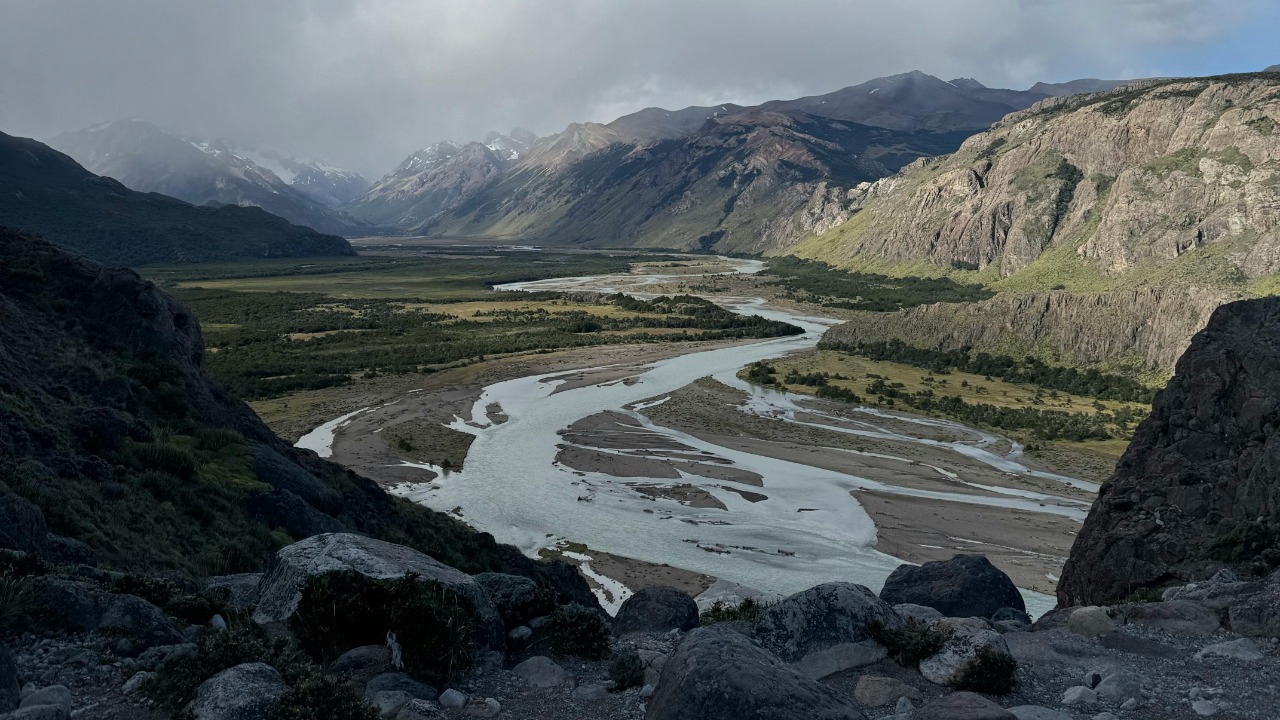
In Argentina’s deep south, a fast moving wall of flame has turned parts of Patagonia into a blackened mosaic of forest stumps and ash, exposing just how fragile the country’s environmental defenses have become. As Raging fires rip through scrubland and native woods, the scale of the damage is colliding with public anger over years of budget cuts, institutional drift, and political point scoring. The inferno has become a test of whether Argentina is willing to rebuild the eco watchdogs that were supposed to prevent exactly this kind of disaster.
What is burning is not only forest and pasture, but trust in the state’s capacity to protect land, water, and communities in a hotter, drier climate. I see in Patagonia’s smoke a regional warning, echoing other South American crises, that weakening environmental institutions is not a technocratic detail but a life and death choice.
The scale of Patagonia’s new firestorm
The latest Wildfires in Argentina’s south are not marginal blazes, they are a full scale emergency stretching local capacity to the limit. Earlier this year, Uncontrolled fires in Patagonia burned between 37 and 52,000 acres of forest and scrub, a range that already signals how chaotic the situation is on the ground and how quickly conditions are changing. In some areas of Argentine Patagonia, officials counted nearly 12,000 hectares lost, a figure that translates into entire valleys of native woodland, pasture, and rural infrastructure erased in a matter of days.
Local images from Jan show how Patagonia Flames raced through hillsides, forcing evacuations and cutting off roads as crews struggled to contain fronts driven by wind and drought. In the province of Chubut, authorities reported that Over 5,500 hectares had already burned, describing how More forest and grassland were at risk as weather stayed hot and dry. A separate assessment of a large Wildfire in Argentina’s Patagonia put the affected area at more than 5,500 hectares in a single complex, underscoring how each new ignition can rapidly become a landscape scale event.
Blame games, disinformation and antisemitic scapegoating
Instead of focusing squarely on prevention and response, parts of Argentina’s political class have reached for easy villains, feeding a toxic blame game around the fires. Some officials publicly suggested that Israeli tourists were responsible for starting blazes near Lago Epuyen, a narrative that quickly spread through social networks and talk shows. Yet Argentina’s fact checking platform Chequeado later reviewed the claims about the Lago Epuyen fire and found no evidence to support them, debunking the idea that foreign visitors were behind the ignition and warning that such speculation only distracts from structural causes.
The conspiracy spiral did not stop there, it morphed into openly antisemitic theories that tried to tie the disaster to Israel itself. Jan statements by an Argentina ex general amplified online claims that an M26 grenade produced by Israel had been found in Patagonia in the context of the fires, with Some of the posts using this supposed “evidence” to argue that the blazes were part of a foreign plot. Those assertions remain unverified based on available sources, and the focus on imagined saboteurs risks letting real culprits, from lax land use rules to underfunded fire services, slip off the hook.
How gutted institutions left Patagonia exposed
Behind the smoke and the rumors lies a quieter story of institutional erosion that has left Patagonia dangerously exposed. Firefighters on the ground are confronting fronts that move faster and burn hotter, yet they are doing so with thinning budgets, aging equipment, and fragmented chains of command. In Argentine Patagonia, Raging fires have consumed nearly 12,000 hectares in some zones while local brigades juggle multiple outbreaks at once, a pattern that points to chronic understaffing and limited capacity to pre position teams before conditions turn critical.
The problem is not unique to Argentina, and that is precisely what makes it so alarming. Across the border in Brazil, an extratropical cyclone that hit Rio Grande do Sul left a trail of destruction and 46 deaths, and an investigation into that disaster highlighted how weakened environmental protection agencies and recent cuts in the civil defense budget had compounded the toll. Among the issues flagged were the hollowing out of oversight bodies and the hasty approval of a controversial state environmental law, a combination that mirrors the way Argentina has sidelined its own eco watchdogs even as climate risks mount.
A region that has seen this fire before
Patagonia’s current crisis is not a freak event, it is part of a longer arc in which fire has become a recurring political fault line. Mar analysis of earlier fire seasons in the region described how Numerous towns and villages in both Patagonian provinces were hit by blazes that followed a similar pattern, with flames racing through dry vegetation and then colliding with disputes over mining, land speculation, and Indigenous territorial rights. Those earlier episodes already showed how weak regulation and contested land ownership can turn a natural hazard into a social explosion.
Artists and residents have been documenting that slow burn of memory and loss for years. In one project from Jun, a photographer worked in Patagonia to reflect on how entire communities processed the tragedy, using images of charred homes and forests to ask what the fire had taken and what it revealed. The author concluded that Fire is the symptom, not the root cause, pointing to deeper conflicts over development models, extractive industries, and the marginalization of local voices in environmental decision making.
From Cuyahoga to Chubut, what outrage can build
As I weigh the anger now rising in Chubut and other Patagonian provinces, I keep thinking about another watershed blaze on the other side of the hemisphere. When the Cuyahoga River caught fire in the United States in 1969, the spectacle of burning water shocked the public and helped ignite a movement that pushed political leaders to create the Environmental Protection Agen and a suite of clean air and water laws. That episode is a reminder that outrage, when channeled into institution building rather than scapegoating, can hard wire environmental protection into the state itself.
Patagonia’s inferno could play a similar catalytic role if Argentina chooses to treat it as a turning point instead of a passing tragedy. The images from Jan of Patagonia Flames swallowing hillsides, the reports of 52,000 acres and 12,000 hectares lost, and the stark figure of 5,500 hectares burned in Chubut are more than statistics, they are a ledger of what happens when eco watchdogs are gutted and climate risks are ignored. Whether that ledger becomes the foundation for stronger agencies, better funded fire services, and more democratic land use planning, or simply another chapter in a cycle of neglect and disaster, will depend on what Argentines demand once the smoke clears.
More From The Daily Overview
*This article was researched with the help of AI, with human editors creating the final content.

Grant Mercer covers market dynamics, business trends, and the economic forces driving growth across industries. His analysis connects macro movements with real-world implications for investors, entrepreneurs, and professionals. Through his work at The Daily Overview, Grant helps readers understand how markets function and where opportunities may emerge.