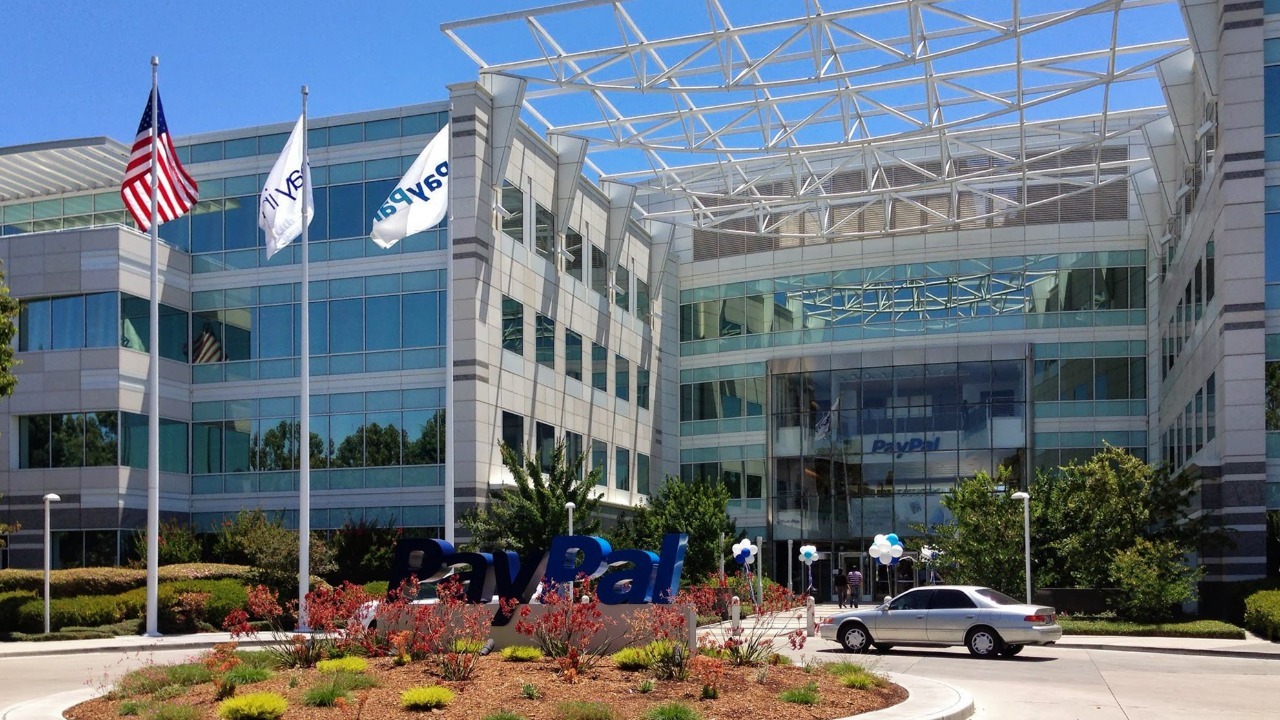
PayPal shares fell back toward levels last seen around the company’s 2015 spin-off from eBay after the payments giant reported fourth-quarter 2025 results that investors viewed as disappointing, disclosed a CEO transition, and warned investors to expect lower earnings in 2026. The twin shocks of a leadership vacuum and slowing growth in PayPal’s core branded checkout business have forced a blunt question onto Wall Street: is this a generational buying opportunity, or is the stock cheap for very good reasons?
Q4 Earnings Miss and a Grim 2026 Outlook
PayPal released its fourth-quarter and full-year 2025 results on February 3, 2026, and the numbers fell short of what analysts had expected. The earnings miss triggered an immediate selloff, with shares dropping sharply as investors digested the combination of weak results and forward guidance that pointed to an earnings decline in the year ahead. The company’s branded checkout business, long the engine of PayPal’s premium valuation, showed clear signs of deceleration, a trend that had been building for several quarters but that the Q4 report made impossible to ignore. With transaction growth slowing and competitive pressure rising, the latest quarter crystallized concerns that PayPal’s most profitable franchise is losing its edge.
The guidance was arguably more damaging than the miss itself. PayPal told investors to expect an earnings decline in 2026, a stark reversal for a company that had spent years promising accelerating growth. That warning landed at the worst possible moment, arriving alongside the CEO departure and reinforcing a narrative that PayPal’s competitive position is eroding faster than management can patch it. Rivals in the fintech space have been steadily chipping away at PayPal’s market share, and the combination of shrinking margins and a leadership reset gave sellers all the justification they needed. For many investors, the shift from a growth story to a contraction story changes the entire lens through which the business is valued.
CEO Shakeup Deepens the Uncertainty
The earnings report was not the only bombshell. PayPal disclosed a CEO transition involving CEO Alex Chriss, effective February 2, 2026, just one day before the results went public. According to a Form 8-K filed with the SEC, Enrique Lores, an HP executive, was appointed as the new chief executive with a start date of March 1, 2026. In the gap between Chriss’s exit and Lores’s arrival, the company said Jamie Miller would serve as interim CEO, leaving PayPal in a holding pattern during a turbulent stretch for the stock. The timing underscored how urgently the board felt a leadership change was needed, even if it meant introducing short-term instability at a critical juncture.
The board did not sugarcoat its reasoning. As reported by the Financial Times, PayPal’s directors said “the pace of change” at the company was not fast enough, a pointed critique of execution during a period when the company needed to move aggressively against well-funded competitors. That framing suggests the board views PayPal’s problems as fixable but urgent, a distinction that matters for investors trying to separate a temporary leadership stumble from a structural decline. Lores inherits a company that is profitable but losing momentum, and his compensation package, which includes base salary, bonus targets, and equity awards detailed in the SEC filing, signals the board is betting heavily on a fresh strategic direction that can reignite growth while defending margins.
How Far PayPal Has Fallen From Its Peak
To understand the scale of the decline, consider the timeline. PayPal completed its separation from eBay on July 20, 2015, listing on Nasdaq as an independent public company for the first time since its original 2002 IPO and subsequent acquisition by eBay. The spin-off was greeted with optimism, and shares climbed steadily for years as digital payments boomed and PayPal cemented itself as a default checkout option across thousands of online merchants. The pandemic era pushed PayPal to all-time highs as e-commerce surged and consumers shifted more transactions online. Now, after years of declines in the share price, the stock is trading back near its early post-spin-off range, leaving long-term holders questioning what, if anything, the last ten years of strategic initiatives have delivered for equity owners.
The company’s annual report for fiscal year 2025, filed as a Form 10-K with the SEC, lays out the risk factors in clinical detail: intensifying competition across digital wallets and alternative payment methods, regulatory scrutiny in multiple jurisdictions, and macroeconomic sensitivity that makes revenue forecasting harder. Those disclosures read differently when the stock is trading near its listing-era floor than they did when shares were near their highs. The same risks existed before, but the market was willing to look past them when growth was strong and margins were expanding. With branded checkout slowing and earnings set to contract, the risk factors now read less like boilerplate and more like a roadmap of the challenges ahead, including the need to invest heavily in innovation while still returning capital to shareholders.
Bargain or Trap: What Separates the Two
The bull case is straightforward. PayPal remains one of the largest digital payments platforms in the world, processes enormous transaction volumes, and generates real cash flow. At compressed valuation levels, even modest stabilization in branded checkout or a successful product pivot under Lores could deliver outsized returns. The Associated Press noted that the market reaction to the latest earnings and leadership news was swift and severe, which sometimes creates dislocations between price and underlying business value. Investors who bought other beaten-down tech names at similar moments of maximum pessimism have, in some cases, been rewarded handsomely when new management teams executed credible turnaround plans and restored confidence in the growth narrative.
The bear case, though, is harder to dismiss than it was during past pullbacks. PayPal is no longer the only game in town for online checkout, and competitors ranging from card networks to upstart fintechs have replicated many of the features that once differentiated its service. The slowdown in branded checkout growth suggests that merchants and consumers are increasingly comfortable with alternatives, while regulatory and compliance burdens limit how quickly PayPal can roll out new products in sensitive areas like cross-border payments and digital wallets. Bears argue that a business facing rising competition, margin pressure, and an earnings decline does not automatically deserve a valuation rebound just because the stock has fallen; in their view, it may instead be settling into a lower-growth, lower-multiple reality that reflects its maturing market position.
What Investors Will Watch Next
For now, the gap between the bull and bear cases will be filled by execution. Lores will be under pressure to articulate a clear strategy in his first months on the job: where PayPal will double down, which initiatives will be cut, and how the company plans to balance investment with profitability in an environment where management itself has warned of a near-term earnings decline. Investors will scrutinize any early moves, from potential restructuring charges to product realignments, as signals of how aggressively the new leadership intends to reshape the company. The board’s critique about the “pace of change” sets a high bar, implying that incremental tweaks will not be enough to win back the market’s trust.
At the same time, the core metrics in upcoming quarters will serve as a real-time referendum on whether PayPal is stabilizing or slipping further behind. Trends in branded checkout volumes, take rates, and operating margins will be watched closely, as will any commentary on competitive dynamics and regulatory developments that could affect future growth. With the stock trading back near its post-spin-off levels, the stakes could hardly be higher: either PayPal proves that the latest selloff has overshot the fundamentals, turning today’s pessimism into tomorrow’s opportunity, or it confirms that the market has simply repriced a once-dominant franchise to match a more challenging and uncertain future.
More From The Daily Overview
*This article was researched with the help of AI, with human editors creating the final content.

Grant Mercer covers market dynamics, business trends, and the economic forces driving growth across industries. His analysis connects macro movements with real-world implications for investors, entrepreneurs, and professionals. Through his work at The Daily Overview, Grant helps readers understand how markets function and where opportunities may emerge.

