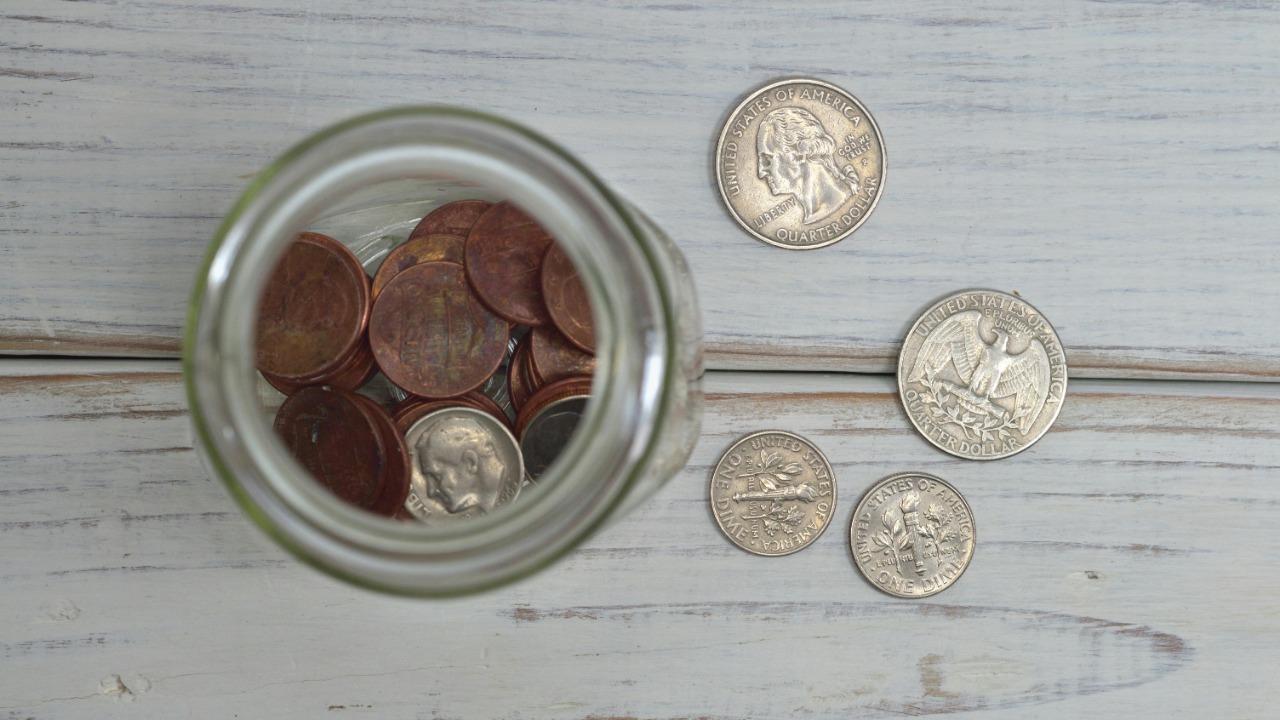
Pennies are quietly exiting American life, but the jars and coffee cans full of them are not going anywhere on their own. As the United States winds down production of its smallest coin, that dead weight on your dresser has become a small but real financial decision. I want to walk through how to turn those cents into something useful, before they become a forgotten relic.
Why pennies are disappearing, and what that means for your jar
The penny is not vanishing by accident. The coin has been under scrutiny for years because it costs more to mint than it is worth, and because it slows down everyday transactions at a time when digital payments dominate. Earlier this year, President Trump used a Presidential Directive to instruct the Treasury to retire the coin, a move that capped more than two centuries of production and set a clear end date for new pennies entering circulation.
That policy shift is already visible in the minting pipeline. A report that the US Mint produced the last penny on Wednesday framed it as the end of an era, and it is. Another analysis noted that the United States has been making pennies for roughly 230 years, and that the decision to stop is part of a broader effort to streamline cash handling and reduce costs. For anyone with a coin jar, the key takeaway is simple: no new pennies are coming to replace the ones you spend, roll, or cash in, but the coins you already have remain legal tender and retain their face value.
Yes, you can still spend them like money
The first and simplest option is also the one most people overlook: just use your pennies in everyday transactions. Even as production stops, they remain valid currency for any business that accepts cash, and there is no expiration date on that status. One guide published on Nov 16, 2025 put it plainly under the heading “What Should You Do With Your Pennies,” urging people to “Spend them normally” and reminding readers that they still work anywhere coins are taken.
That advice lines up with other coverage that stresses the basic point that Your humble pennies have actual value. They are, as one report put it, legal tender even if it feels like nobody wants them. I find that framing useful, because it cuts through the nostalgia and the annoyance: if you are standing at a gas station counter or a grocery checkout with a handful of coins, you are not being difficult by using them, you are simply redeeming money you already own.
Turning loose change into real cash
For anyone with a serious stash, spending pennies one coffee at a time is not efficient. The more practical move is to convert that pile into bills or a bank balance. Financial experts emphasize that Most banks accept coins for cash exchange, although services differ. Large institutions often want coins pre-rolled, while smaller banks and credit unions may offer coin-counting machines or accept loose change at the counter, which is why it is smart to call ahead to your local branch.
Consumer guides have started to spell out the mechanics in more detail. One step-by-step rundown advises people to Wrap the coins and find a bank or credit union that will take them, noting that Many institutions still provide paper rolls and that They sometimes offer coin-counting machines on site. Another piece, published on Jun 1, 2025, framed the same idea as an answer to the question “What should I do with all my pennies,” stressing that Just because the United States is halting penny production does not mean your jar of copper has lost its purchasing power.
When pennies are worth more than one cent
Not every penny should be rushed to the bank. Some older coins, especially those made mostly of copper, can be worth more than their face value to collectors or metal enthusiasts. One regional bank, identified in coverage as Farmers Bank, has been quoted explaining that Beyond monetary value, pennies may still have practical uses, and that older copper coins can act as a kind of emergency resource long after their final press. According to that same reporting, these pieces can be separated out and treated differently from the newer zinc versions.
There is also a psychological and historical premium at work. As one lifestyle feature on Nov 16, 2025 pointed out under the banner “What Should You Do With Your Pennies,” some people will want to keep a few coins as a keepsake from the era when cashiers still counted out exact change. I see that as a reasonable compromise: pull aside any pre-1980s copper pieces or coins with unusual mint marks, check their potential value, and then send the rest of the jar into circulation or to the bank.
Small coins, bigger economic ripples
Behind every jar of change is a larger policy story. Analysts who have looked at the national numbers estimate that there are roughly 700 pennies for every person in the United States, a figure cited in a Key takeaways summary that examined the economic impact of retiring the coin. That same analysis tied the decision directly to President Trump and his use of a Presidential Directive to order the Treasury to stop making pennies, arguing that the move would save money on production and simplify cash transactions without meaningfully increasing prices.
Other coverage has focused more on the cultural and practical fallout. A broadcast segment posted on Nov 14, 2025 described how the Mint marked the last production run on a Wednesday and framed it as “officially the end of an era,” capturing the mix of nostalgia and relief that many people feel. A separate explainer published on Nov 12, 2025 reminded readers that They are after all legal tender and that Even if it seems that nobody else wants them, those coins still represent money that can be converted into groceries, rent, or savings. I read those pieces as two sides of the same coin: policy on one hand, personal finance on the other.
How to put your pennies to work right now
With production halted and the last batches already minted, the most practical question is what to do next. I would start by sorting your jar into three piles: coins you plan to spend, coins you want to cash in, and coins you might keep or repurpose. For the first group, make a habit of using exact change at local businesses that still welcome cash, especially small shops and diners where customers who still pay with coins are common, a behavior highlighted in the “Spend them normally” advice from Nov 16, 2025. For the second, follow the guidance to Wrap the coins and find a bank or credit union that will accept them, taking advantage of the fact that Large institutions and smaller ones alike still have systems for turning change into cash.
The third pile is where you can get creative. Older copper pennies that Farmers Bank singled out as having uses Beyond monetary value can be set aside for potential resale, emergency kits, or even simple household tasks that benefit from small, durable metal pieces. Lifestyle guides have suggested turning a handful of coins into art projects, teaching tools for kids, or even conversation pieces that mark the end of the penny era. However you divide the jar, the key is to act while the transition is fresh. The policy decision that began with a Presidential Directive from President Trump and culminated when the Mint produced the last penny on Wednesday has already reshaped the role of coins in American life. Your jar is the smallest expression of that shift, and it is sitting there waiting to be counted.
More From TheDailyOverview
- Dave Ramsey warns to stop 401(k) contributions
- 11 night jobs you can do from home (not exciting but steady)
- Small U.S. cities ready to boom next
- 19 things boomers should never sell no matter what

Cole Whitaker focuses on the fundamentals of money management, helping readers make smarter decisions around income, spending, saving, and long-term financial stability. His writing emphasizes clarity, discipline, and practical systems that work in real life. At The Daily Overview, Cole breaks down personal finance topics into straightforward guidance readers can apply immediately.
