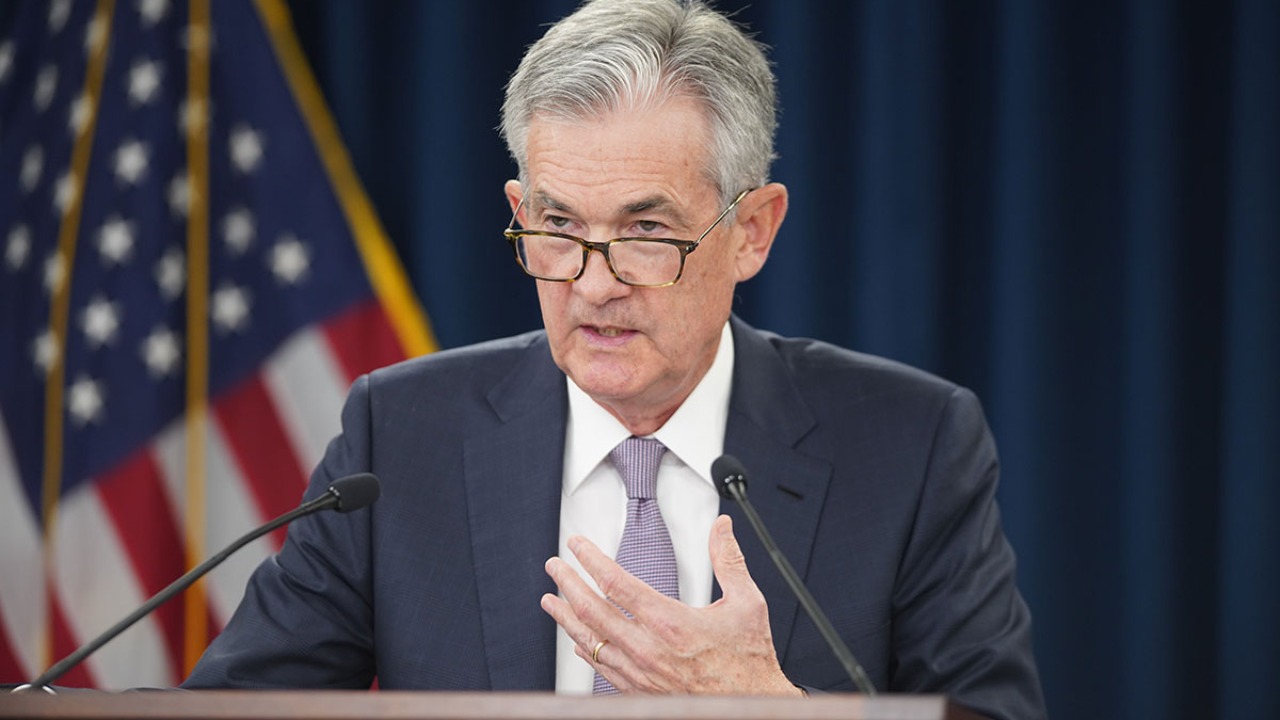
Jerome Powell is now saying the quiet part out loud: the United States is heading into a housing crunch in 2026 that interest rate tweaks alone will not fix. His recent comments make clear that even as borrowing costs fall, the structural shortage of homes and the affordability squeeze will keep cracking the market in ways the Federal Reserve cannot simply patch over.
Those warnings land at a delicate moment, with the Fed cutting rates again while signaling only limited easing ahead and with Federal Reserve Chair Jerome Powell’s own term set to expire in 2026. The message to buyers, builders, and politicians is blunt: the central bank can influence monthly payments, but it cannot conjure enough roofs or undo years of policy choices that left supply badly out of sync with demand.
Powell’s blunt diagnosis: a structural shortage the Fed can’t cure
Powell has been unusually direct about the limits of monetary policy, stressing that the “real issue” in housing is a chronic lack of supply rather than just high mortgage rates. He has said that the United States has “not enough housing” and is “on track to continue to have” too few homes, a structural gap that no sequence of rate cuts can close on its own, a point he underscored in remarks captured in detail by Powell. When he frames the problem this way, he is effectively telling Congress, state capitals, and city halls that zoning rules, permitting bottlenecks, and construction incentives matter more now than the exact level of the federal funds rate.
That theme has been building for more than a year. In an earlier exchange, Oct comments from Powell emphasized that housing affordability had deteriorated so sharply that it could not be “really fix[ed]” by the Fed alone. More recently, he has sharpened the warning, telling audiences that housing is “going to be a problem” even as the central bank eases policy, a phrase that has become a shorthand for the looming 2026 stress. His diagnosis is not just rhetorical; it is a signal that the usual playbook of cutting rates and waiting for builders to respond will not be enough this time.
Rate cuts now, limited relief later
The Fed has already pivoted from its peak tightening stance, delivering a series of reductions in its short term benchmark rate. In its latest move, the central bank opted for another 25 basis point cut, a decision that came with three dissents and highlighted a growing split inside the Fed over how quickly to ease. Powell has paired those actions with guidance that only one additional cut is likely in 2026, a path that keeps borrowing costs above the ultra cheap levels of the pandemic era and limits how far mortgage rates can fall.
Market analysts are reaching similar conclusions. A detailed Key outlook for 2026 policy argues that the most likely trajectory is a gradual move down from restrictive territory, not a rush back to zero. That means 30 year mortgage rates may drift lower but are unlikely to revisit the rock bottom levels that fueled bidding wars in 2020 and 2021. For households priced out of the market, the message is sobering: cheaper financing will help at the margin, but it will not magically restore the affordability lost when home prices surged far faster than incomes.
“Housing Is Going to Be a Problem” in 2026
Powell’s most pointed warning came after the Fed’s final rate cut of the year, when he said plainly that “Housing Is Going to Be a Problem” in the period ahead. In that appearance, captured in a widely shared Housing Is Going recap, he linked the looming strain to a structural shortage of homes and to the fact that many owners are locked into ultra low mortgages and reluctant to sell. The result is a market where inventory stays tight even as borrowing costs ease, keeping prices elevated and competition fierce for the limited number of listings that do hit the market.
In a follow up discussion of the same remarks, Powell’s concern about a “structural housing shortage” was spelled out even more clearly, with the Fed chair warning that the central bank’s tools cannot “address a structural housing shortage” on their own. That assessment, highlighted in a Housing Market analysis, suggests that 2026 will be defined less by a collapse in demand and more by a grinding mismatch between too many would be buyers and too few available homes. For renters hoping to buy, that is a recipe for continued frustration even if monthly payment calculators look slightly better.
Affordability crisis meets regulatory and political constraints
As Powell has talked more openly about the housing crunch, he has also pointed to the role of local and state rules in keeping supply constrained. Developers and economists have warned that Regulations are now a major factor in the affordability crisis, from restrictive zoning that blocks multifamily projects to lengthy permitting processes that slow new construction. Powell has echoed that view, noting that even with lower rates, builders will not ramp up enough if they face persistent regulatory hurdles and uncertainty about demand.
In a separate assessment of the Key Housing Concerns for 2026, Powell’s emphasis on an “Affordability Crisis” is front and center. He has acknowledged that even as the Fed trims rates, many households will remain priced out because home values rose so far, so fast, during the pandemic boom. That leaves elected officials with hard choices: loosen land use rules to allow more building, expand subsidies for lower income buyers and renters, or accept a future in which homeownership is increasingly out of reach for younger and less affluent Americans. The Fed chair is effectively telling them that monetary policy cannot substitute for those decisions.
What 2026 could look like for buyers, sellers, and the Fed
Forecasts for 2026 suggest a market that is cooling at the edges but still fundamentally tight. One detailed projection finds that home prices are poised to dip in 22 U.S. cities, with some local markets finally seeing modest declines after years of relentless gains, a trend highlighted in a See analysis by Mary Cunningham of CBS MoneyWatch, who previously worked at “60 M” and “Minutes.” Yet even that report stresses that the national picture is not one of a broad crash, but of a gradual normalization from extreme pandemic era imbalances. For many would be buyers, that means slightly better odds in specific metros, not a nationwide clearance sale.
Powell’s own outlook lines up with that nuanced view. In a recent press conference, After announcing another rate cut, the Fed chair said the housing market faces “really significant” challenges that will persist even as borrowing costs come down. A separate Jerome Powell warning framed U.S. housing as “going to be a problem” and acknowledged that the Fed does not have the tools to solve structural issues, urging “steps to fix it ASAP” from other policymakers. For buyers and sellers, the implication is clear: 2026 will likely bring a patchwork of local corrections, not a sweeping reset, and the central bank will be managing inflation and employment, not orchestrating a housing rescue.
A constrained Fed heads toward a leadership crossroads
All of this is unfolding as the institution itself approaches a transition. The current Key Takeaways on the Fed’s future note that Federal Reserve Chair Jerome Powell’s leadership term will expire in 2026, creating an opening for President Donald Trump to reshape the central bank’s top ranks. That prospect raises questions about how aggressively the Fed will be pushed to cut rates further if the labor market softens or if political pressure to juice growth intensifies. It also underscores why Powell has been so explicit about the Fed’s limited role in housing, drawing a line between what monetary policy can do and what must be handled by elected officials.
In the meantime, the central bank is still cutting. A recent decision saw the FED CUTS INTEREST RATES FOR the third straight time amid uncertainty over the labor market and inflation, even as Powell cautioned that the moves would not make “much difference” to a struggling housing sector facing a persistent shortage. Another segment of that discussion highlighted how Many people with “very, very low” mortgage rates are reluctant to move, keeping existing home supply frozen. For 2026, that combination of locked in owners, cautious builders, and a constrained Fed points to a market that will creak and strain under the weight of demand, with cracks that monetary policy alone cannot seal.
More From TheDailyOverview

Elias Broderick specializes in residential and commercial real estate, with a focus on market cycles, property fundamentals, and investment strategy. His writing translates complex housing and development trends into clear insights for both new and experienced investors. At The Daily Overview, Elias explores how real estate fits into long-term wealth planning.

