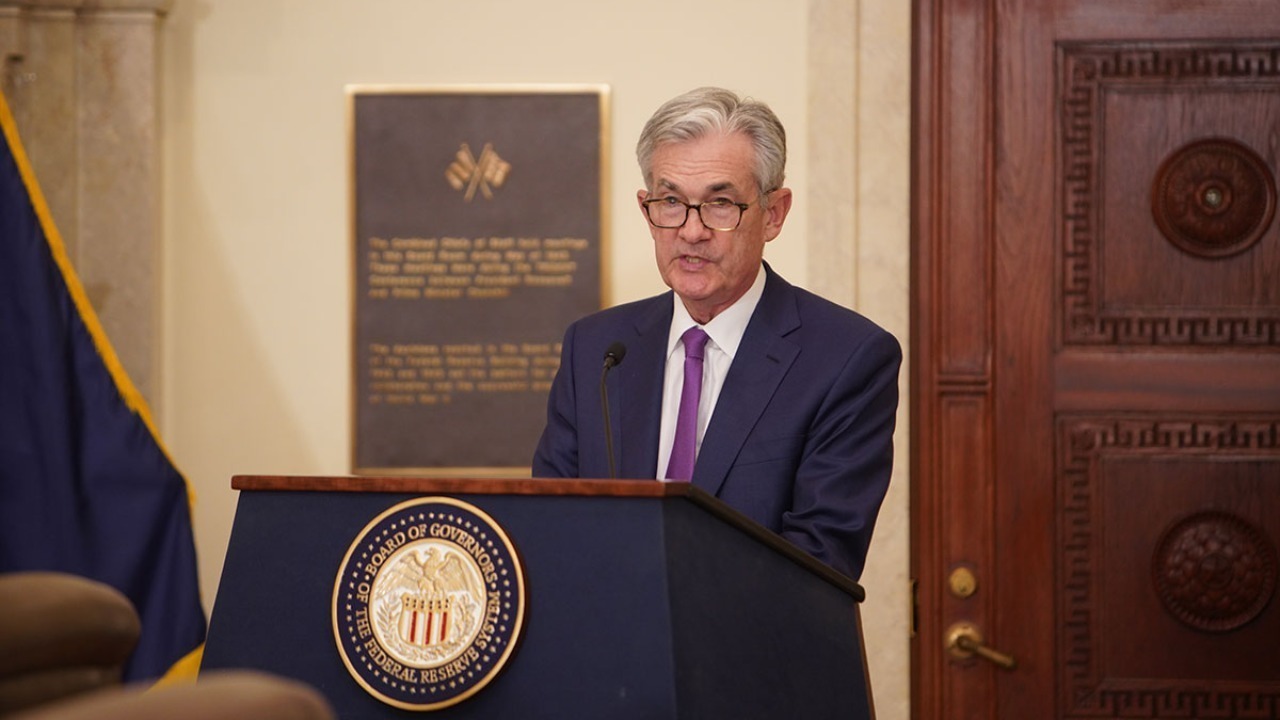
On September 24, 2025, Federal Reserve Chair Jerome Powell issued a stark warning about the stock market, stating that “equity prices are fairly highly valued,” which triggered a market sell-off. Powell’s remarks came during a period of intense scrutiny on stock valuations, highlighting broader concerns about financial stability. His comments have drawn significant attention from investors and analysts alike, as they navigate the complexities of the current financial landscape.
Fed Chair Powell’s Warning on Stock Valuations

Federal Reserve Chair Jerome Powell’s recent statement that “equity prices are fairly highly valued” has sent ripples through the financial markets. This declaration, made on September 24, 2025, has sparked a significant reaction among investors, leading to a noticeable market sell-off. Powell’s remarks underscore the ongoing concerns about overvaluation in the stock market, which have been a topic of discussion among financial analysts and investors for some time. The implications of his statement are profound, as they suggest that the Federal Reserve is closely monitoring the situation and may take action if necessary to maintain financial stability.
The timing of Powell’s comments is particularly noteworthy, as they come amidst a backdrop of heightened scrutiny on stock valuations. Investors have been wary of the potential for a market correction, given the high valuations that many stocks have reached. Powell’s acknowledgment of these concerns has only added to the anxiety, prompting a reevaluation of investment strategies and risk assessments. The Federal Reserve’s role in this context is critical, as its communications can significantly influence market behavior and investor sentiment.
Market Reaction to Powell’s Comments

The immediate market reaction to Powell’s comments was a sell-off, highlighting the sensitivity of investors to warnings about stock valuations. This response underscores the influence that Federal Reserve communications have on market dynamics. Investors, already on edge due to high valuations, reacted swiftly to Powell’s remarks, leading to a decline in stock prices. This reaction reflects the broader concerns about the sustainability of current market levels and the potential for a correction.
The impact of Powell’s statement is a testament to the power of the Federal Reserve’s communication strategy. As markets are highly responsive to signals from the Fed, any indication of concern about valuations can lead to significant shifts in investor behavior. This dynamic underscores the importance of clear and measured communication from the Federal Reserve, as it seeks to balance its dual mandate of promoting maximum employment and stable prices while ensuring financial stability. The recent market sell-off serves as a reminder of the delicate balance that the Fed must maintain in its communications and policy decisions.
Broader Implications for Financial Stability

Powell’s warning about high stock valuations adds to the ongoing concerns about financial stability in the current economic environment. The Federal Reserve’s role in assessing and responding to market conditions is crucial in maintaining stability, particularly when stock prices are perceived to be overvalued. Powell’s comments suggest that the Fed is vigilant in monitoring these developments and is prepared to take action if necessary to prevent potential disruptions to the financial system.
The broader implications of Powell’s warning extend beyond the immediate market reaction. High stock valuations can pose risks to financial stability, as they may lead to increased volatility and the potential for a market correction. The Federal Reserve’s focus on these issues highlights the importance of maintaining a stable financial environment, which is essential for sustainable economic growth. As such, Powell’s remarks serve as a reminder of the need for prudent risk management and careful monitoring of market conditions by both policymakers and investors.
Other Developments in the Financial Sector
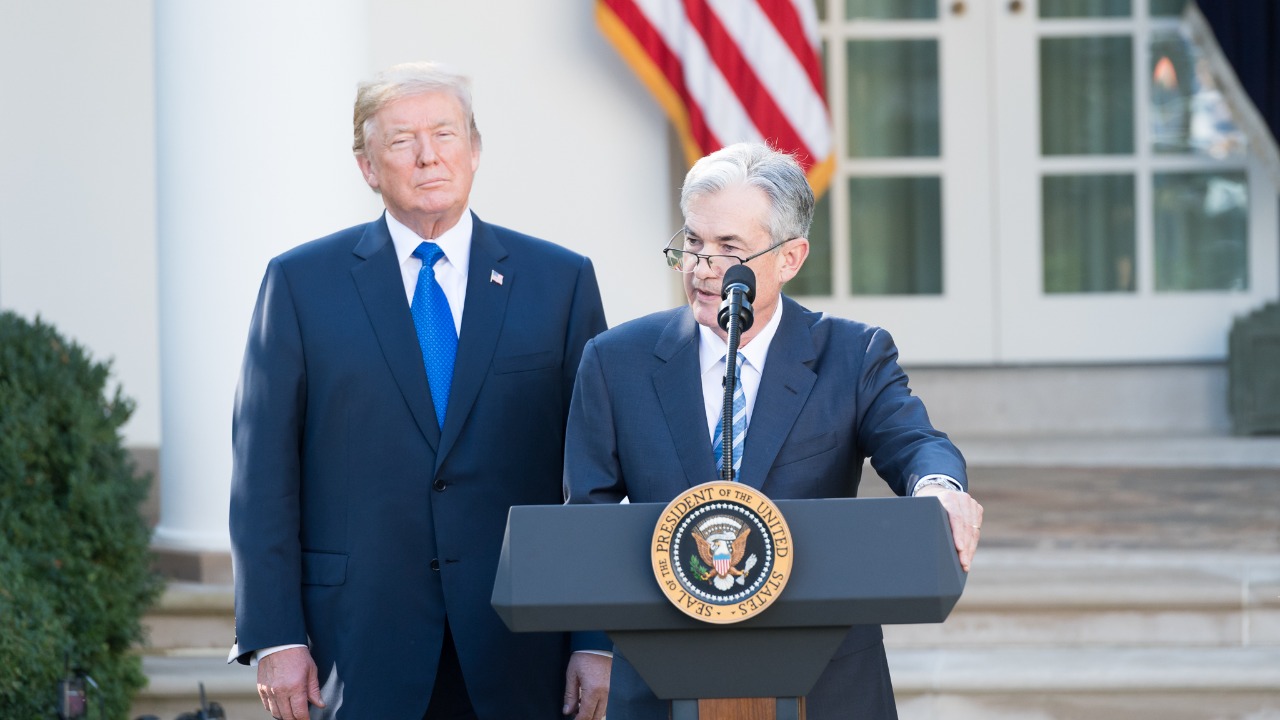
In addition to Powell’s comments, other developments in the financial sector are also drawing attention. Notably, Kevin O’Leary has commented on the implications of President Trump’s $100,000 H1B Visa policy, suggesting that it may drive innovation abroad. O’Leary pointed out that companies like Apple and Google, which started in garages, could face challenges in attracting talent under the new visa policy. This development highlights the broader impact of immigration policies on innovation and economic growth.
Meanwhile, UBS has upgraded General Motors stock to “Buy,” emphasizing the importance of monitoring margins amid changing market conditions. This upgrade reflects the analysts’ confidence in General Motors’ ability to navigate the current economic landscape and capitalize on emerging opportunities. The focus on margins is particularly relevant in light of the broader concerns about financial stability and market valuations. These developments underscore the dynamic nature of the financial sector and the need for investors to stay informed about the latest trends and policy changes.

Grant Mercer covers market dynamics, business trends, and the economic forces driving growth across industries. His analysis connects macro movements with real-world implications for investors, entrepreneurs, and professionals. Through his work at The Daily Overview, Grant helps readers understand how markets function and where opportunities may emerge.

